
Why precise tuning makes a difference
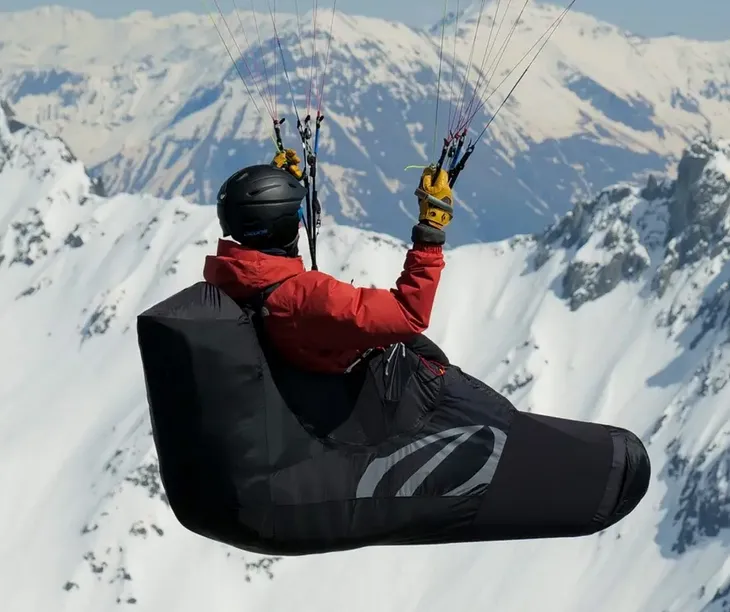
The speed system is not just an accessory to gain a few kilometers per hour. It’s the primary lever that modifies lift, trim, and turbulence behavior. A poorly adjusted setup forces you to compensate with the brakes, which increases wing loading and raises the risk of a stall or accidental spin. The goal isn’t raw speed, but flying with less drag and more control.
Three checks before takeoff
- Initial tension: The speed bar must stay stable in the cruising position. If it slides forward or falls back without pressure, your setup needs adjustment. Excessive tension strains the back and arms; insufficient tension creates lag.
- Total travel: Ensure you reach the wing’s mechanical stop without straining your joints. The cables should allow progressive activation, not a sudden snap.
- Profile adjustment: A heavier pilot or thermal flying often requires shorter travel to stay effective. In strong wind, a setup that leaves room for quick corrections is preferred.
A detail that impacts in-flight safety
Many pilots adjust their setup at the last minute, just before takeoff. It’s often too late to feel the real effect on lift. Proper tuning should be done on the ground, in a simulated launch position, to get your hands used to the stop points. This prevents overcorrections in the air, especially when turbulence picks up or speed increases suddenly.
Adjust according to real conditions
- Weather and wind: In fog or weak thermals, shorter travel keeps the wing active without overloading it. In sustained wind, a setup with some elasticity helps absorb gusts.
- Level and fatigue: Your current condition dictates your reflexes. If you feel a drop in concentration, an overly tight setup becomes a liability. Let your body guide adjustments toward more flexibility.
Staying cautious, progressive, and practical remains the golden rule. Check your gear condition, note local weather, assess your skill level and fatigue. Prioritize personalized advice and maintain solid safety margins. The speed system never replaces a reasoned flight decision.
Fly safe,
Cyrille MARCK and the Rid'Air/CEM team