

Sécurité
2 min
The Warning Sign: When Everyone Takes Off at Once
Synchronized takeoffs are not a weather validation. They often trigger psychological pressure that makes you forget your safety margin.
Buying guides, safety tips, equipment reviews and free flight news.
84 articles
Synchronized takeoffs are not a weather validation. They often trigger psychological pressure that makes you forget your safety margin.
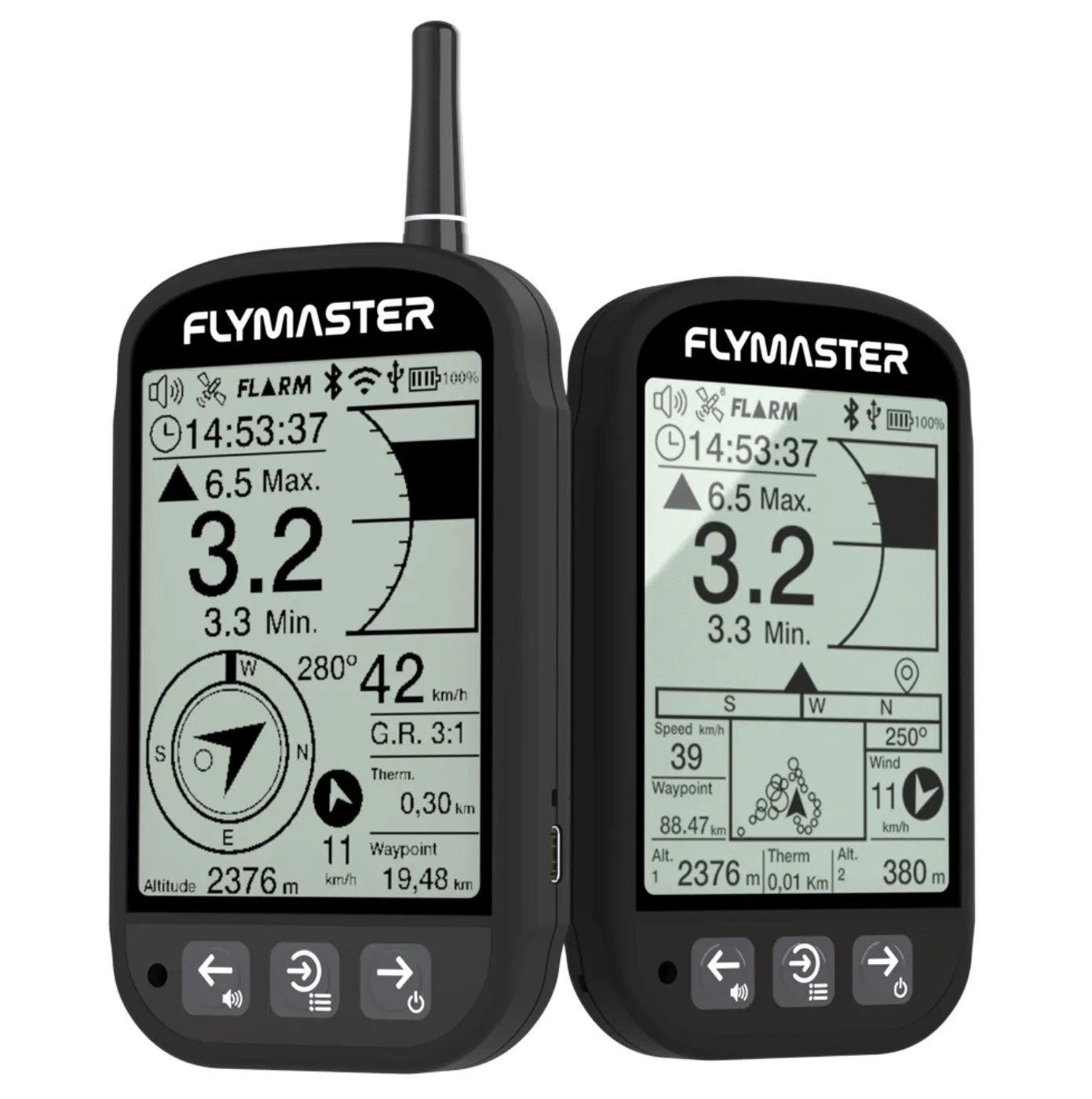
Speedbar proficiency isn't improvised. Using acceleration in free flight is first and foremost about preparation and safety margins.
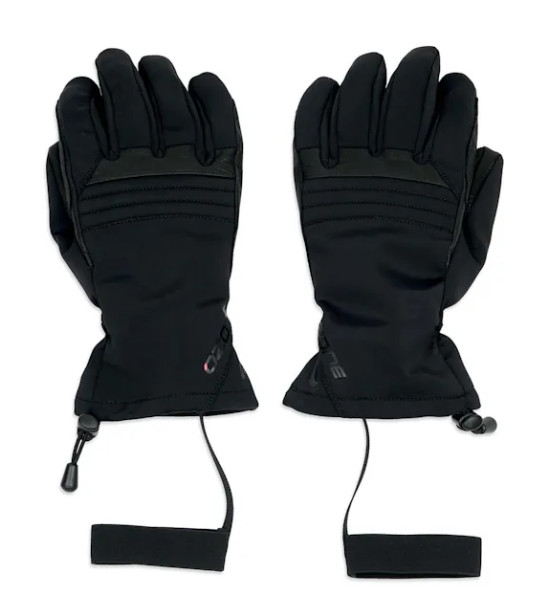
The unsung gear that demands your attention: why carabiner wear doesn't forgive and how to check your safety margins without the hassle.

Anticipating collapse, managing drift, and planning your exit: why ground preparation dictates the entire flight. Ground-level advice for flying with safety margins.
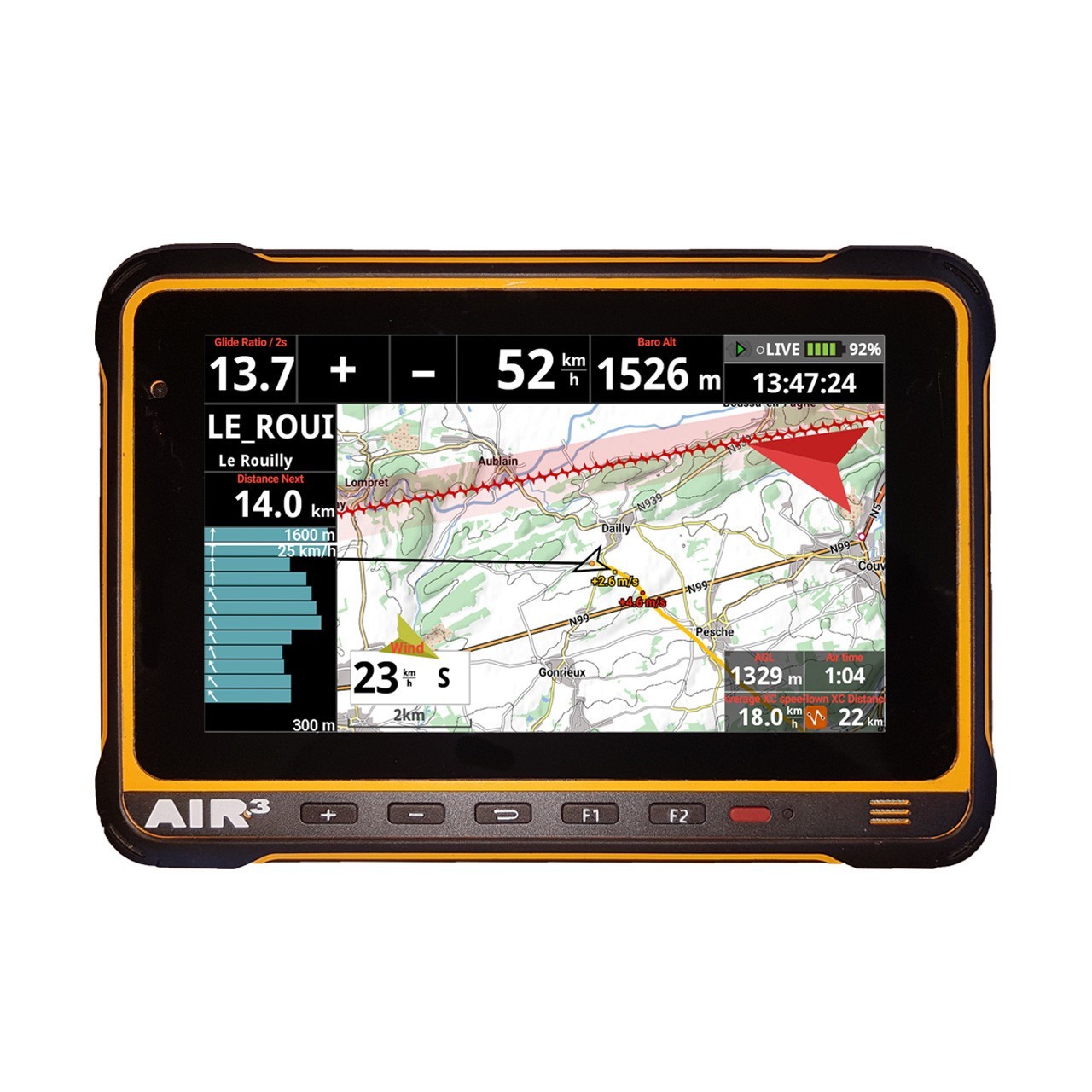
Flight radio is a communication tool, not a remote control. A look at real autonomy and safety margins in the mountains.

An asymmetric collapse isn't inevitable. On EN-A/B wings, mastering terrain reading and immediate reaction remains your best insurance.

Deciding to pull the handle is neither chance nor pure instinct. Altitude, clarity of mind and ground preparation dictate the real margin before any action.
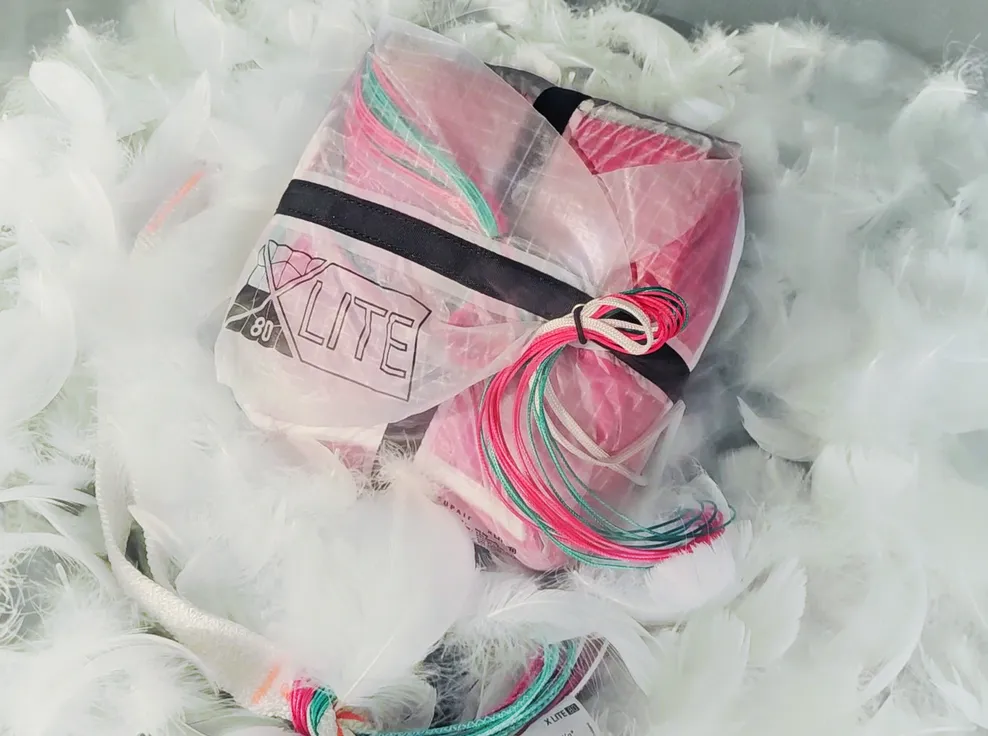
Before heading to the launch, check your harness and its tools. Handle, pilot chute, bungees, packing date: a straightforward walkthrough.

The sun hits stronger, cloud cover thins out, and updrafts turn aggressive quickly. Why spring generates harder thermals and how to handle them safely.

Evening flying offers smooth sensations, but that smoothness isn't automatic. You must read the aerology precisely and maintain your safety margins.

Reading early warning signs, managing timing and safety margins for free flight in summer conditions.

When the sky speaks, listen before launching. Here is how to structure a fast, concrete, decision-focused weather analysis in exactly 12 minutes.
Our recommendation tool analyzes your pilot profile and budget to suggest the best options.