Gear: visual check and storage
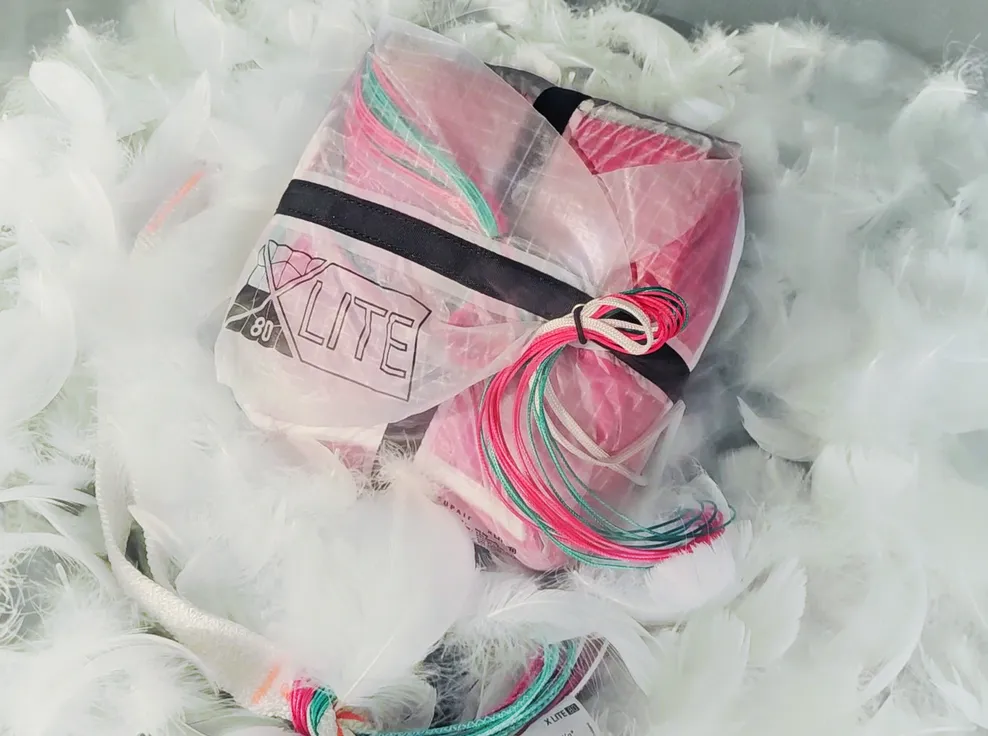
Long storage affects component integrity. Before pulling your wing out, inspect the riser straps, carabiners, and speed bar. Look for chafing on lines, worn rivets, and any abrasion signs. Winter moisture can weaken seams if drying wasn't thorough. Rinse with fresh water and systematically follow the manufacturer's instructions. Never force a jammed speed bar.Weather and site: practical reading
Conditions don't take negotiations. Before loading your wing, read the sky: steady airflow, no early thermal instability, and good visibility. Local conditions shift fast in Europe. A shifting sea breeze or an unanticipated thermal inversion can change a site profile in minutes. Stick to sites you know and avoid edge-of-limit flights when your technical level isn't there yet. Patience on the launch area always pays off.Progression and fatigue: the pilot's reality
Physical prep is required for your return to flight. Accumulated fatigue affects your reaction time and judgment in thermals. Start with short sessions on sites matching your current level. Don't try to make up for lack of practice by flying a faster wing. Personalized advice is the best filter: an instructor or experienced pilot can validate your readiness before launch. Respect your safety margins and adjust based on real feel.Pre-season prep isn't a formality. It's a ground filter that removes unnecessary risks and builds solid foundations. Check, observe, stay practical.
Fly safe,
Cyrille MARCK and the Rid'Air/CEM team