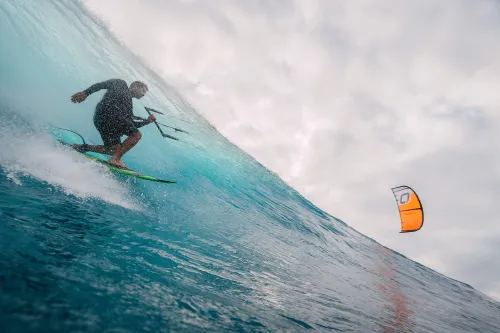
Wingfoiling comes down to three elements: an inflatable wing you hold in your hands (the wing), a board, and a foil underneath the board. You lean on the wind with the wing, speed creates lift on the foil, and the board rises above the water. It's silent, it glides even in light wind, and it naturally speaks to anyone from a free-flight background.
What exactly is wingfoiling?
Wingfoiling involves three key components: an inflatable wing held in the hand (the wing), a board, and a foil underneath the board. You harness the wind with the wing, speed generates lift on the foil, and the board lifts off above the water. It's silent, it glides even in light winds, and it naturally resonates with free flight enthusiasts.
What's the difference between a wing, a kite and a parawing?
The wing is held in your hands, with no lines: you can set it down quickly, which makes it very accessible. The kite flies far at the end of its lines, generating more pull and power — ideal for jumping and large stretches of water. The parawing is a soft canopy with no leading-edge bladder, flown by the lines and packed down tiny, halfway between a wing and a mini-glider. Each one has its own playground.
What is the difference between wing, kite, and parawing?
The wing is held by hand, without lines: it can be quickly put down and is very accessible. The kite flies far at the end of lines, generates more traction and power — ideal for jumping and large bodies of water. The parawing is a soft wing without an inflatable leading edge, piloted with lines, and packs up tiny, halfway between a wing and a mini-wing. Each device has its own domain.
Do you need to fly a paraglider to take up wingfoiling?
No, these are two separate sports. But coming from free flight helps: reading the wind, handling a canopy and your relationship with the air are all valuable assets. Plenty of pilots switch to the water on days with no air. We advise you the way we advise a paraglider pilot: no bullshit, based on your real level.
Do you need to know how to paraglide to get into wingfoiling?
No, they are two distinct sports. However, a background in free flight is beneficial: understanding wind patterns, managing a wing, and grasping aerology are valuable skills. Many pilots transition to water sports on windless days. We advise you as we would a paraglider pilot: honestly, based on your actual level.
Which wingfoil and kite brands do you carry at Rid'Air?
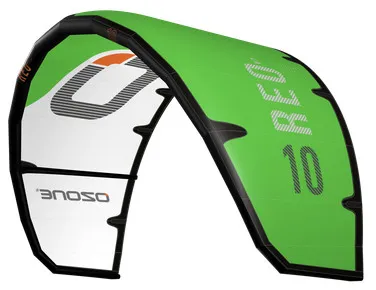
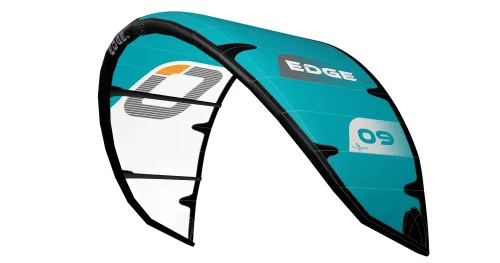
We work with Ozone (kites and wings, with R&D rooted in paragliding and foil kites), Vayu (a German brand from Kiel: wings, boards, foils, and the Pyro parawing) and Appletree (high-performance carbon boards made in Portugal). A coherent selection — gear from people who actually ride.
Which wingfoil and kite brands does Rid'Air offer?
We work with Ozone (kites and wings, R&D stemming from paragliding and foil kiting), Vayu (a German brand from Kiel: wings, boards, foils, Pyro parawing), and Appletree (high-performance carbon boards manufactured in Portugal). A coherent selection, gear from real riders.
Can I get personalised advice on my setup?
Yes, that's our job. Call us or drop us a line: together we'll work out your wing size, board volume and foil based on your weight, your level and your spot. And if you're a beginner, we'll tell you honestly — forgiving gear beats a sharp setup that'll put you off.
Can I get personalized advice for choosing equipment?
Yes, that's our expertise. Call or email us: we'll help you determine the wing size, board volume, and foil based on your weight, skill level, and the body of water you'll be using. And if you're a beginner, we'll tell you honestly — it's better to have forgiving equipment than an advanced setup that might discourage you.
Context-aware guidance is active on this product page: Catalyst V4
Context-aware guidance enabled
Context-aware guidance is active on this product page: Catalyst V4
This page is taken into account
How can I help you?
Context-aware guidance is active on this product page: Catalyst V4. Ask about the products shown here, differences between models, or the right choice for your level.
Your conversations are stored for 90 days in our database and stay available from this browser. Sign in without leaving the site and they get attached to your account.