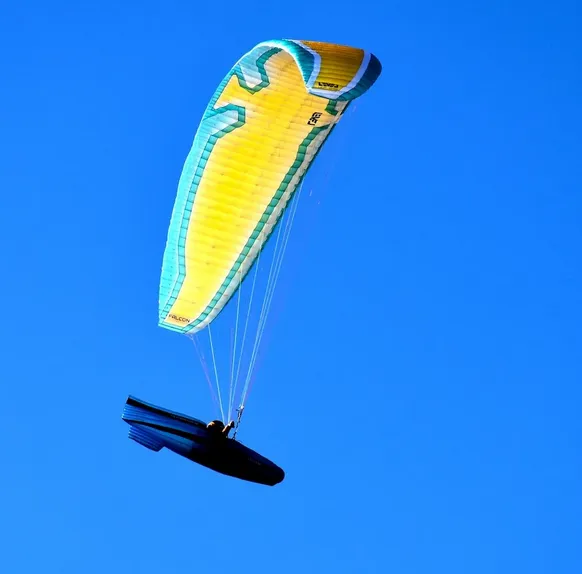

Buying Used: A Concrete Commitment
Buying used gear is not just about a good deal. It is a commitment to you, the pilot. The used market is dense, but every transaction carries your responsibility. Well-maintained equipment can last years if treated with the same respect as new gear. You are not taking a risk; you are managing a safety parameter. Before paying, caution outweighs desire. Here are the nine questions to ask for clarity, without compromising your safety.
The Nine Questions to Ask Before Signing
- 1. What is its exact flight history? You need to know the number of flights, landing types, and any impact marks. Poorly treated gear changes behavior in flight.
- 2. What is the condition of the seams and fabric? Inspect high-tension areas, leading edges, and lines. Visible wear indicates material fatigue under wind load.
- 3. Has it been repaired or washed? Demand proof. Any intervention alters certification and flight behavior. Without written records, reliability remains unconfirmed.
- 4. Is it matched to your actual skill level? Align choices with real experience, not ambitions. Overly performant gear forgives uncertainty.
- 5. How was it stored? Check exposure to sun, humidity, and heat. These factors degrade fabric and lines quickly in your climate.
- 6. Are the technical manual and certificate available? Review them to verify standards, usage limits, and model age. An incomplete file complicates technical tracking.
- 7. Does the seller allow an independent inspection? Prioritize transactions where you can inspect the wing beforehand. Transparency is your primary reliability indicator.
- 8. What safety margin remains? Stay progressive. Used gear should offer clear margins, not raw excitement. Verify that behavior matches controlled use.
- 9. Should you seek a third-party opinion? Have a professional inspect the wing if in doubt. Personalized advice and safety margins protect your flying.
Ground Takeaway
Used gear remains viable if approached with rigor. Each question asked reduces uncertainty and raises your safety margin. Before any change of ownership, cross-check information, verify condition, and adjust to your actual level. The airfield rewards preparation, not haste. Always maintain a progression margin. If the wing demands excessive attention on the ground, it will demand more in the air. Rely on your feel and objective checks.
Fly safe,
Cyrille MARCK and the Rid'Air/CEM team