Helmet choice: use, protection, and comfort at the launch site
A helmet is not a cosmetic accessory. It's the primary safety component and the last line of defense in case of an incident. At launch, you see it all: weekend flyers, training camps, competitions, ridge and mountain flying. The full-face versus half-shell debate comes up constantly. The answer isn't in a catalog; it's in your actual flying practice.
Half-shell: lightweight and ventilated for thermal flying
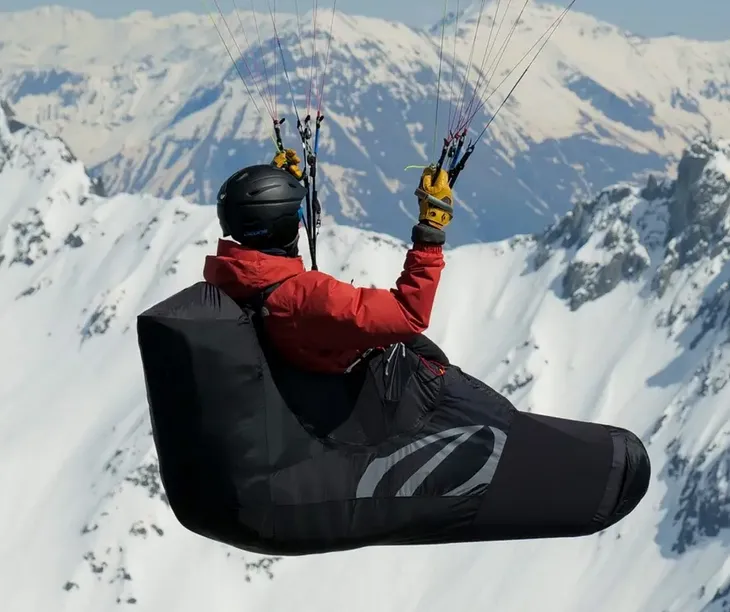
The half-shell prioritizes visibility, ventilation, and acoustic comfort. It suits pilots primarily flying thermals in stable conditions on open sites. High-temperature comfort and air management around the ears are tangible advantages. Conversely, side and rear protection remain limited. If you prioritize endurance or daily comfort, it's a logical choice, provided you accept the coverage limits.
Full-face: enhanced protection and real commitment
The full-face covers the neck, temples, and chin. It follows an extended protection logic: side impacts, head falls, or contact with fixed obstacles. In competitions, downhill MTB riding, or technical environments where the margin for error shrinks, a full-face sets a broader safety standard. Thermal comfort and the feeling of confinement take time to adjust to. Ventilation is well-managed on current models, but weight and heat remain factors to anticipate based on your physiology.
Comfort, use, and safety margins: what to check before buying
The choice isn't just a number or a standard. It's about aligning your flying profile, sensations, and real conditions. A helmet must stay secure during sudden movements, not crush the ears, and allow airflow without creating pressure points. The seat pad, harness, and wing interact with it: test the whole setup in real conditions. As our RidAir/CEM ground feedback reminds us: stay cautious, progressive, and concrete. Check the weather, gear, your skill level, and fatigue. Prioritize personalized advice to adjust safety margins to your exact practice.
Final word: protection serves flying, not the other way around
A well-chosen helmet is never an afterthought. It integrates into your launch routine and dictates your focus on site. Prioritize secure fit, ventilation suited to your local climate, and protection matching your flying zones. No model eliminates paragliding risks, but consistent gear reduces mental load and improves in-flight decision-making. Pay attention to how your sensations evolve, and adjust your equipment according to seasonality and flight intensity.
Fly safe,
Cyrille MARCK and the Rid'Air/CEM team