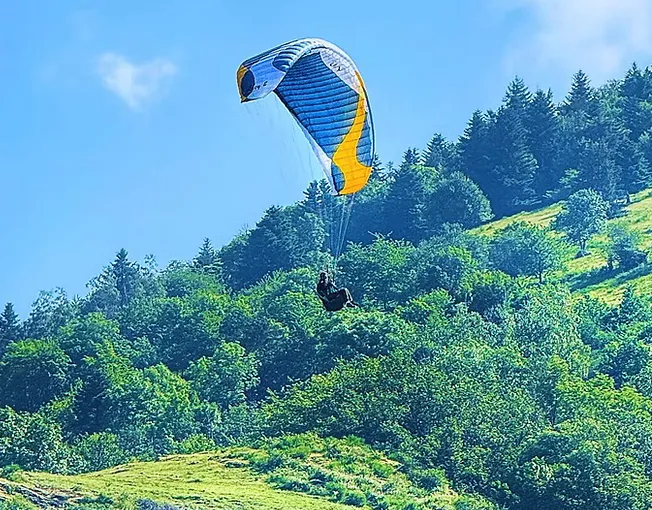
When a client arrives with a wish list
The work isn't done between the pages of a catalog. It happens on the ground, in front of you. When asking for wing advice, we rarely point to the newest model or the one shining in the window. We look at other criteria: concrete indicators that determine whether you'll enjoy your flights or face cognitive overload in the air.
Weather and local context
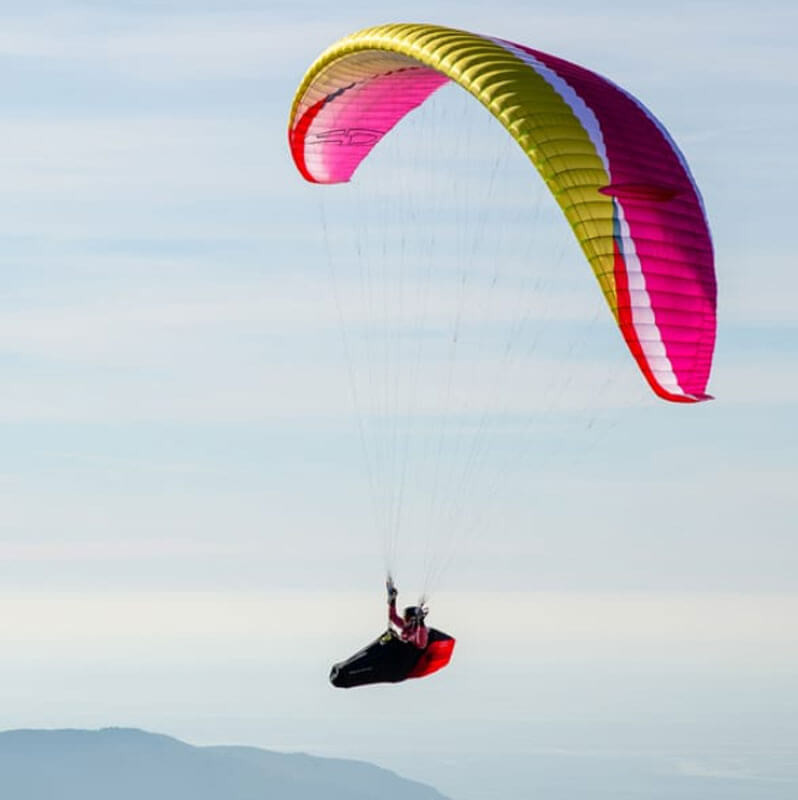
Before any technical discussion, we check where you actually fly. Conditions vary by valley, wind exposure, and season. A wing designed for active ridge soaring doesn't meet the same requirements as one built for light thermaling. We match your flight plan with site realities to avoid a gap between expectations and actual aerodynamics.
Skill level and progression
Here, we don't rely on self-declared levels. We look at your flight log, how you handle surprises, and your piloting maturity. Skill is measured over actual sorties, not a spec sheet. We also check your physical and mental state: fatigue affects reaction time, and altitude stress doesn't wait for anyone. We prioritize personalized advice that respects your pace.
Existing gear and safety margins
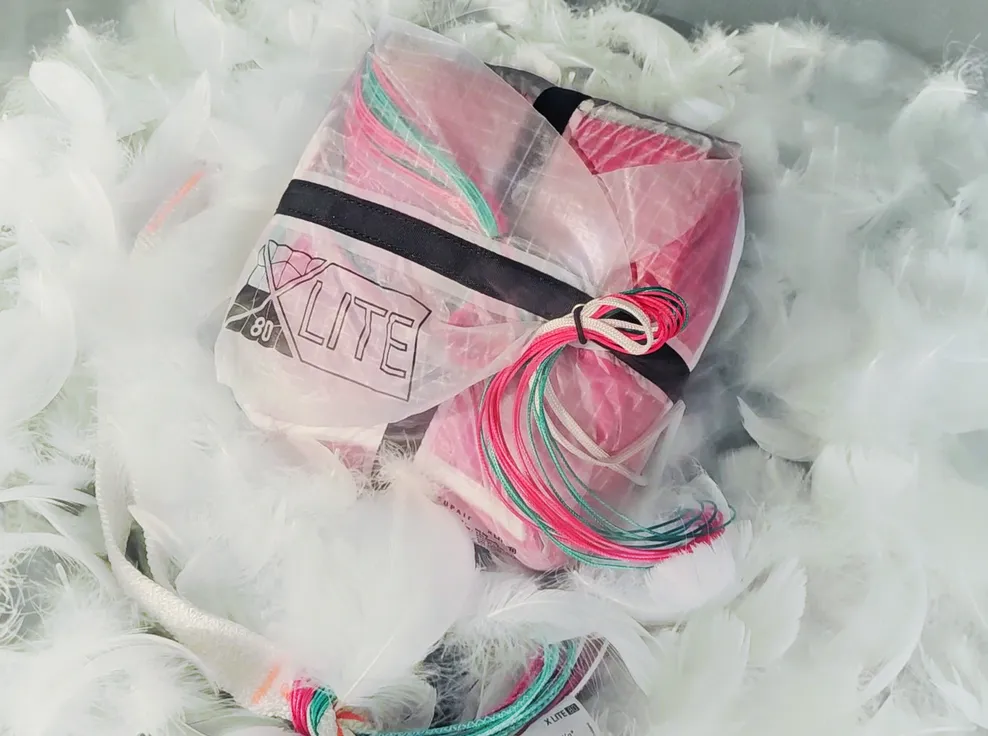
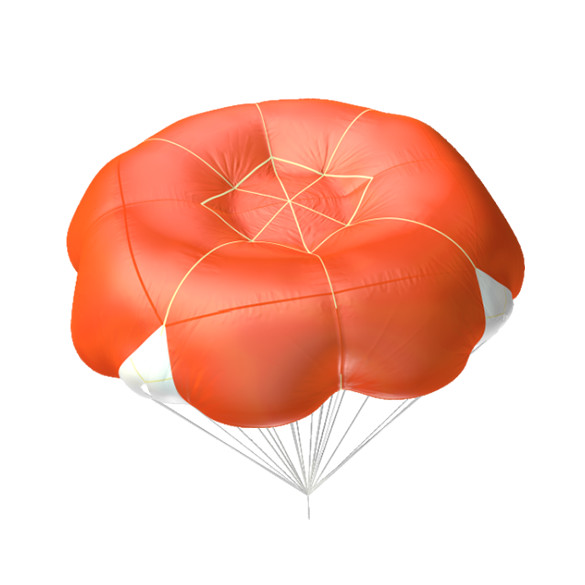
A wing doesn't fly alone. We check compatibility with your helmet, instruments, and especially your reserve parachute. Manufacturers follow strict specs, but paperwork doesn't replace real-world use. We ensure every part of your gear matches actual needs. As our Rid'Air/CEM field experience shows, stay cautious, progressive, and practical. We verify weather, gear, skill level, and fatigue. Personalized advice and safety margins come first.
Ultimately, choosing a wing is a balance between performance and peace of mind. An attractive model in the shop can quickly become demanding if local conditions or your profile don't match. Always take time to cross-reference technical data with an honest assessment of your abilities. The margin for error on the ground is short.
Fly safe,
Cyrille MARCK and the Rid'Air/CEM team