
A structured framework, not a frantic race
Recreational competition is nothing like the professional circuit. It operates within a regulated framework designed to push your skill level up while keeping you strictly inside your safety margins. In Europe, organizers enforce clear charters: pre-event gear checks, shared weather briefings, and often a minimum flight standard. This isn't an unnecessary barrier; it's a safety net.
Pressure as a progress accelerator
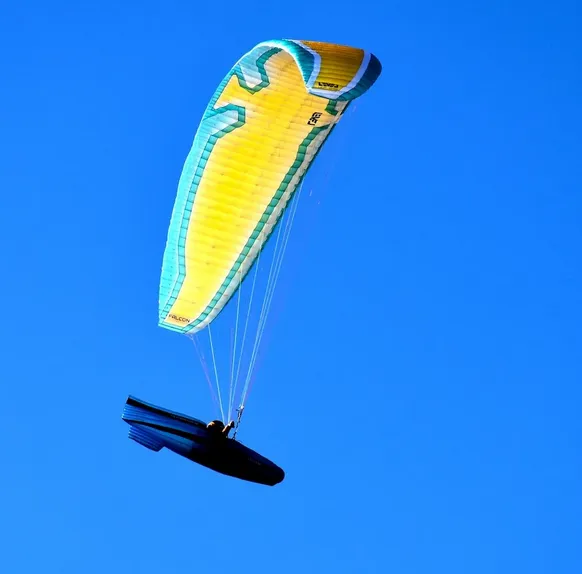
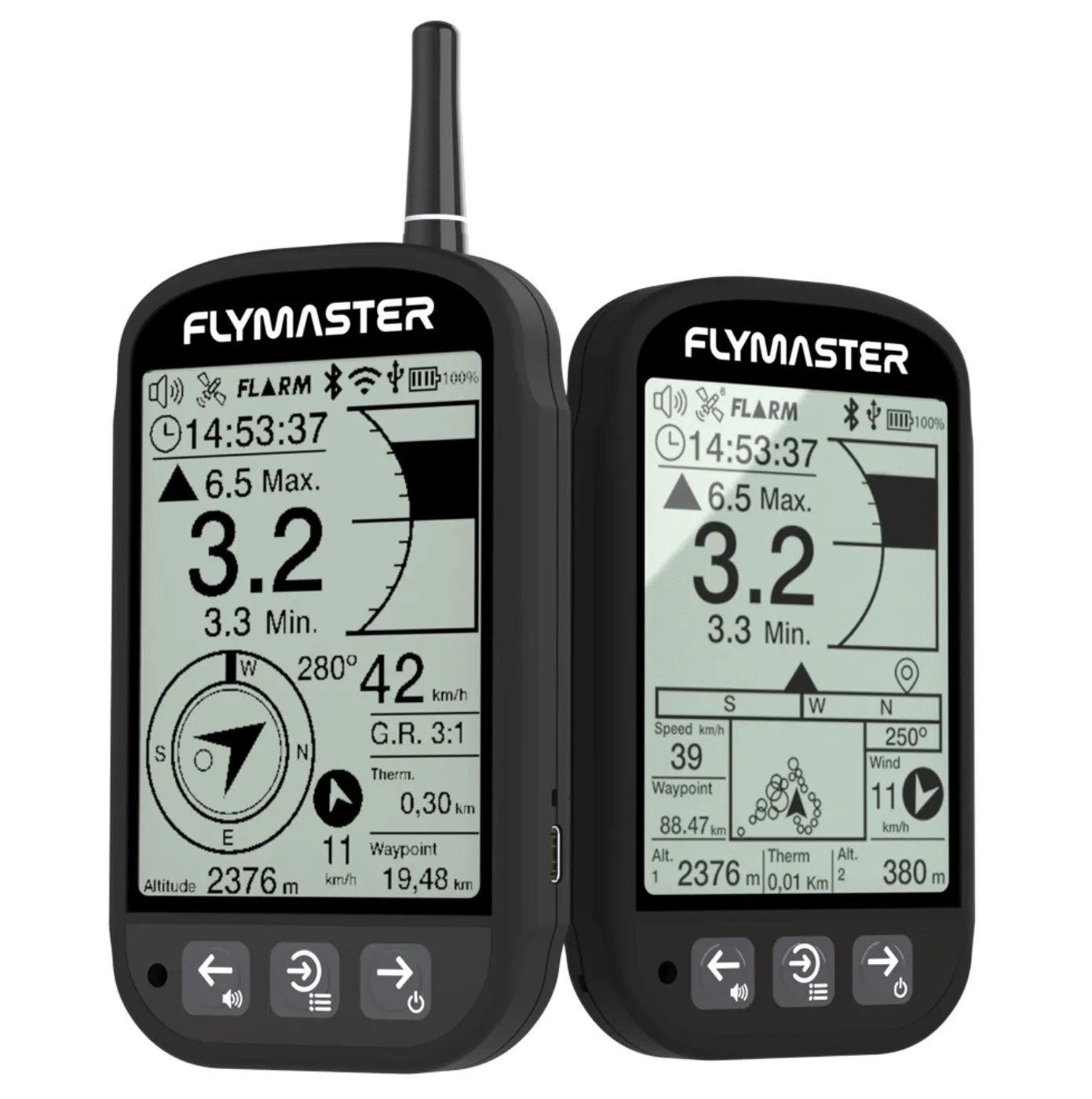
With a timer running, you must structure your flight phases. Takeoff, thermal hunting, group flying, and landing: each stage becomes more technical when you know a race committee will review your tracks. You learn to anticipate, manage mental and physical fatigue, and make tactical choices under pressure. That is exactly where you progress twice as fast compared to flying solo.
Mandatory checks before you launch
A sound framework demands concrete discipline. Before lining up, you must cross-reference key factors: actual weather conditions in the sector, gear condition (suspension lines, carabiners, reserve), and crucially, your daily capability. Accumulated fatigue from a weekend of flying or a busy work week changes the equation. When overloaded, you don't progress at competitions; you stack risks.
- Prioritize personalized advice from an instructor or experienced pilot before every event.
- Never mistake the desire to compete with your actual capacity to handle tactical stress.
- Stay progressive: start with local events, verify your routines, then aim for regional competitions.
Finally, recreational competition teaches you to measure mistakes without dramatizing them. A cancelled course, a misread track, or a wide landing are just raw data. Analyzing them objectively allows you to adjust your next launch. The regulated framework turns experience into measurable progress, provided you respect your limits.
Staying cautious, progressive, and grounded must guide every phase. Checking weather, gear, your daily level, and fatigue is non-negotiable. Personalized advice and safety margins are not optional; they are the foundation of competition that actually drives progress.
Fly safe,
Cyrille MARCK and the Rid'Air/CEM team