Dune du Pilat: The Wind Sets the Rules
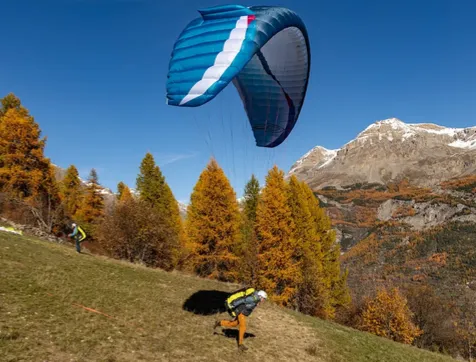
Launching at Dune du Pilat isn't improvised. You must accept the site's rhythm and read the air precisely. Flying cleanly here means respecting its variations without trying to dominate them. Steady progression is your only way to understand how the air mass behaves along the sandy relief.
Approach: Stay Practical and Progressive
Before every flight, check your conditions. The terrain demands methodical preparation for a calm launch.
- Real-time weather: track wind shifts, check layer stability, and anticipate sudden changes.
- Full gear check: inspect the wing, harness, and instruments. Unverified gear is an unnecessary risk.
- Pilot level: match your actual skills to the forecast conditions. This site demands air reading and precise launch management.
- Fatigue and physical state: headwinds demand higher concentration. A rested pilot makes better decisions.
Safety Margins and Site-Specific Advice
Every day on the dune has its nuances. Air behavior shifts with time of day, slope exposure, and sand density. Rely on specific advice to adjust your flight to that day's conditions. Safety margins aren't optional; they're the foundation of sustainable flying. Ignoring local indicators or underestimating terrain reading quickly leads to uncomfortable situations.
Reading the Terrain and Managing the Flow
The dune acts as a natural deflector. Wind bounces, channels, and can create turbulence near the base or along the crest. Watch ferns, sand movement, and other pilots' positions to validate your flight path. Never back down from a negative indicator, and adjust your launch axis if needed. The site rewards patience and penalizes haste.
Daily rigor is key. Check, adapt your flight plan, and respect known limits to enjoy the site without chasing performance at all costs. A controlled flight beats a risky run every time. Stay alert to terrain indicators, keep your margin, and don't confuse boldness with recklessness.
Fly safe,
Cyrille MARCK and the Rid'Air/CEM team