
Two Massifs, Two Aerology Logics
The Vosges and the Alps require different flying approaches. It is rarely emphasized in gear shops, but each massif dictates its own aerological rules. This is not about technical specs or canopy colors. It is about wind, thermals, terrain reading and adaptation. If you want to know where to step for takeoff, accept first that the air never acts randomly.
Vosges: Slope Rigor
In the Vosges, aerology often depends on terrain linearity. Eastern valleys expose slopes that generate regular uplift, but the slightest wind shift or front passage can blur your reference points. Here, you learn to stay cautious and progressive. The terrain demands concrete reading: check minute-by-minute weather, verify gear condition, assess your actual skill level and especially fatigue. Personalized advice beats any general rule. Respecting safety margins is mandatory.
Alps: Massif Rhythm
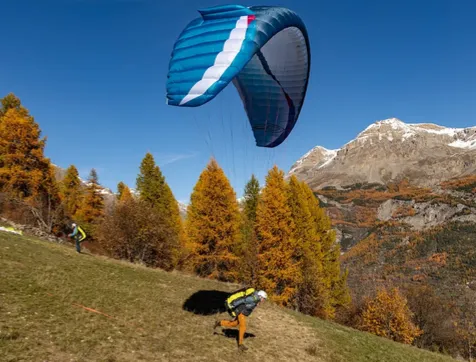
The Alps operate differently. The air is more vertical, richer in thermal energy and far less predictable in the afternoon. You find channels that accelerate flow, rapid slope reversals and convection that quickly drives activity. The Alpine approach teaches you to respect timing, not force the sun's hand and prioritize observation before takeoff. Like everywhere else, progression is built on concrete basics: directional wind, gear condition, clear-eyed self-assessment and vigilance against fatigue. The terrain forgives no approximation.
Bridging the Gap and Maintaining Vigilance
Even if the terrains differ, the core rules remain identical. A successful flight does not depend on luck or a canopy that performs miracles. It rests on honest preparation, uncompromising sky reading and the discipline to stay within your limits. When uncertainty rises, you postpone. You refine your analysis. You prioritize local advice and safety margins proven by ground experience.
- Always check the slope-specific weather forecast, not just the nearest station.
- Assess your fatigue and gear condition before stepping onto the slope.
- Adjust your goals to the terrain: slow reading in the Vosges, timing and verticality in mountain ranges.
The terrain always tells the truth. Stay concrete, progress step by step and let aerology guide you instead of forcing it. Fly safe,
Cyrille MARCK and the Rid'Air/CEM team