The Trap of Synchronized Takeoffs
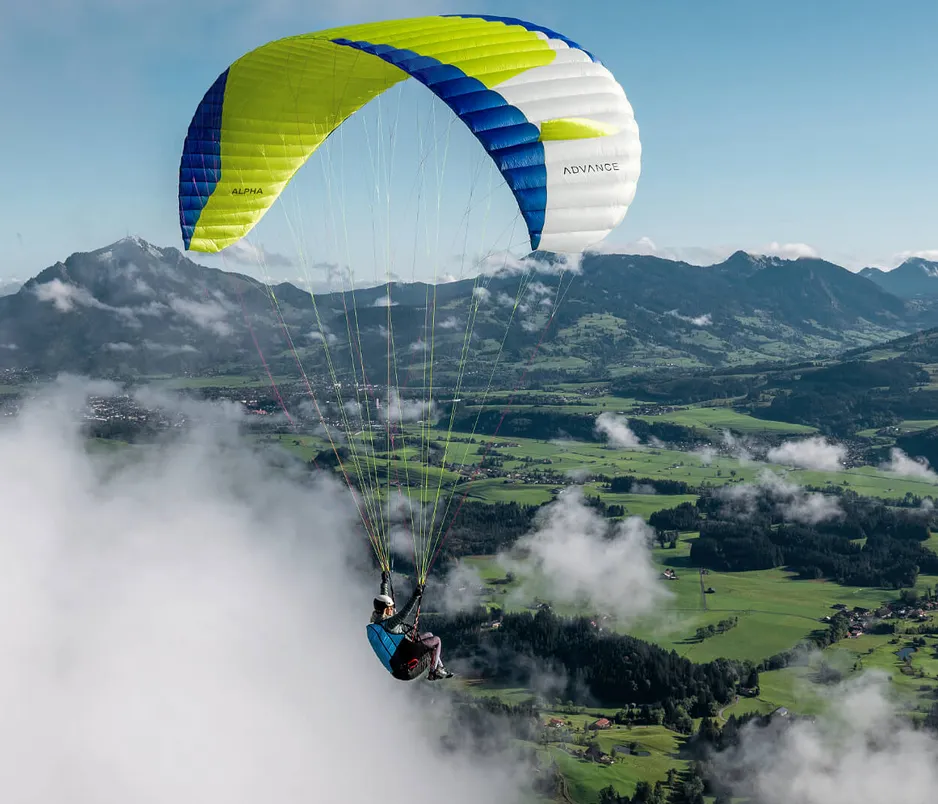
A line of canopies aligning simultaneously creates immediate collective pressure. This is the herd effect: individual judgment shifts into a race to launch. Urgency replaces personal analysis.
Why the Dynamic Shifts on Site
The human mind seeks cognitive shortcuts. Several pilots checking the same breeze and launching can create a false sense of absolute safety. Weather shifts quickly, fatigue sets in, and risk perception dilutes within the group. Staying independent when deciding prevents dangerous automation.
Checklist Before Following the Crowd
- Actual weather vs group perception: Instruments show trends, but every aerodynamic zone has its own logic. Strong wind at the bottom of a slope does not guarantee stable lift.
- Skill level and fatigue: Group adrenaline masks exhaustion or hesitation. If canopy control or turning reflexes are uncertain, synchronization compensates for nothing.
- Gear and setup: Overly fast inflation or a pulling strap often signals a rushed assembly. Check every attachment point without giving in to group pressure.
- Launch space and traffic: A lengthening launch line reduces error margins. Group launches multiply aerological conflicts and complicate communication.
Rid'Air/CEM field advice: systematically check weather, gear, skill level, and fatigue. Stay cautious, progressive, and concrete. Do not confuse group movement with weather validation. Ask factual questions, check your schedule, gear, and physical state. If the site's pace forces a quick decision, step back one pace. The goal is to confirm you can handle the launch alone. Safety is not decided by group vote.
Fly safe,
Cyrille MARCK and the Rid'Air/CEM team