An in-store try-on is not enough
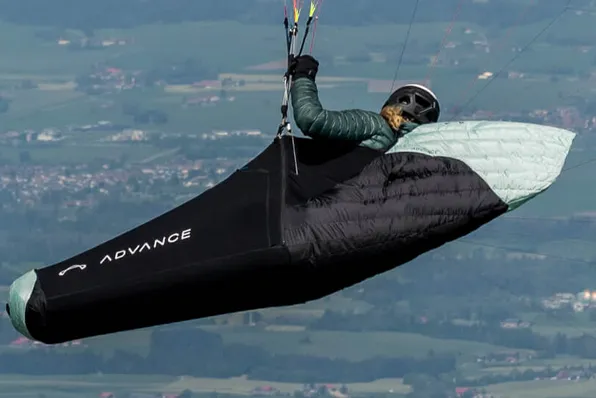
Buying a harness based on standing in front of a mirror is a classic mistake. Real weight distribution, seated posture, and integration with your helmet or instruments change everything. At Rid’Air Oderen, we installed a dedicated simulator to bridge that gap. The goal isn’t to upsell, but to prevent returns and weeks of risky trial-and-error in the air.
What you gain in twenty minutes
The setup reproduces the fatiguing positions and actual pressure points you will face in flight. Here, you check weight distribution on the lower back, lateral support, and arm freedom for wing control. No theoretical products—just a controlled space to test the harness with your standard onboard gear. If something rubs, if the harness pulls you forward, or if thigh straps won’t calibrate properly, you see it on the ground. That is far better than finding out at altitude.
Field criteria and test limits
We stress a progressive, practical approach. The simulator does not replace a flight, but it filters out major incompatibilities before you commit. We advise caution and cross-referencing multiple indicators:
- Check your existing gear condition and wear before adding a new harness to the mix.
- Evaluate your actual skill level: an overly enveloping seat can create a false sense of security if you’re not yet fully independent.
- Account for daily fatigue: a stiff back or a long prior session skews your feedback.
Weather, physical condition, and existing gear remain the three pillars to verify. Personalized advice always overrides a catalog. We prioritize safety margins and gradual adaptation over chasing ideal performance. If the simulator confirms good alignment with your build and habits, you can decide then. Otherwise, we suggest another model or postpone the purchase to allow time for reflection.
A structured test prevents regret and secures the next steps. Always prioritize concrete feedback and verifiable comfort criteria on-site.
Fly safe,
Cyrille MARCK and the Rid’Air/CEM team