The track is not a verdict, it's a roadmap
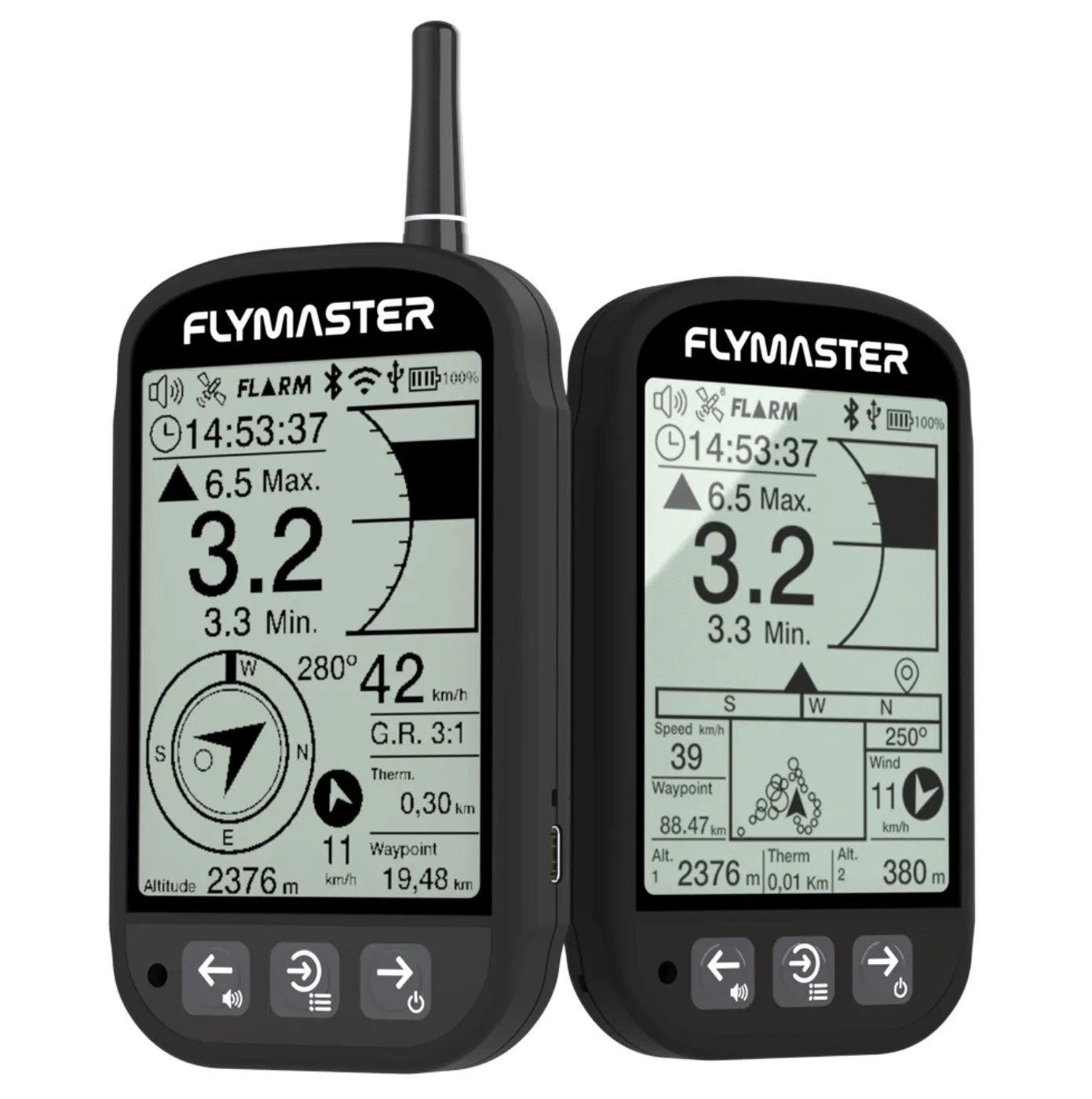
The GPS track is often the first instinct after landing. You pull out your device, open the app, and study the line, altitude gain/loss, or average speeds. An understandable habit. But this is also where many stall, because the numbers quickly become an ego mirror rather than a pilot aid.
Decoding the curves objectively
Focus on three priority indicators. The altitude curve reveals your thermal tracking choices: if you are making tight turns, check whether your position relative to the cloud base was consistent. Horizontal speed and the variometer tell you if you are finding lift or stagnating in neutral air. The overall energy curve shows whether you optimize your thermal entries and exits to maintain altitude.
Managing ego and prioritizing safety
It is tempting to fixate on a deviation or an unexplained descent. The field reality reminds us, however, that weather is volatile, fatigue dulls reflexes, and each sector has its own currents. Stay cautious, progressive, and practical. Before criticizing your flight path, verify that day's weather consistency, equipment status, and actual energy levels. Always prioritize safety margins and personalized advice over systematic self-criticism.
Building sustainable progress
- Always log the weather context (clouds, wind, stability) before comparing tracks.
- Cross-reference GPS data with your flight sensations and immediate field observations.
- Target one concrete improvement per session, such as better positioning or more precise entry timing.
- Treat average flights as useful data, not personal failures.
Paragliding progress is built on conscious repetition, not technical perfection. A well-analyzed GPS track prevents repeating the same mistakes and strengthens your in-flight judgment. The goal remains simple: fly with more clarity and less uncertainty.
Analyze your flights with a constructive critical mind. Use these curves to adjust your sky reading, not to validate or invalidate your skill. Vigilance regarding conditions and respect for your own limits remain your best tools to keep flying calmly.
Fly safe,
Cyrille MARCK and the Rid'Air/CEM team