
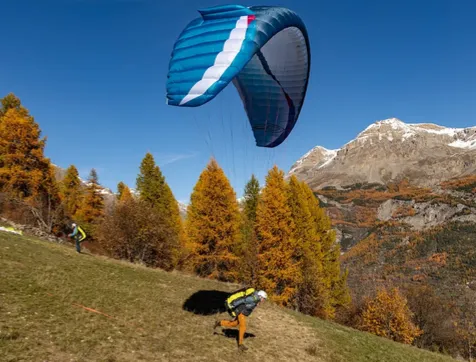
The Vosgian rhythm demands quiet and anticipation
Short days at altitude tolerate no delays. At Oderen, the terrain sets strict boundaries: narrow thermal windows, rapidly shifting exposure, and local weather that dictates the schedule. You don't come here to log hours; you come to refine your sky reading. Every launch requires careful assessment. Check wind direction, cloud base, and terrain condition. Leave no room for improvisation.
Tangible progression in tight windows
Flying here requires rigor. Start with short flights to calibrate your feel, watch the air dynamics before committing to longer routes. Fatigue plays a major role: it skews reactions and slows decision-making. Better to land when your body shows signs of wear than force a return that could complicate.
Safety margins and tailored advice
The mountain doesn't negotiate. Every pilot must accept that safety margins are non-negotiable. Adjust targets based on actual skill, available gear, and daily conditions. Local field advice makes the difference between a productive day and a rushed return. Rely on factual analysis, not guesses, and check safety points before every launch.
Key takeaways for future flights
- Respect thermal windows; don't try to extend the return window.
- Match progression to terrain and your personal fatigue level.
- Check local weather, gear condition, and launch/landing sites.
- Prioritize direct feedback from pilots or organizations familiar with the area.
Oderen and the Vosges are demanding but fair training grounds. They teach you to read the air, manage your energy, and set limits before conditions force them. When planning a flight here, stick to realistic goals and let the terrain guide you.
Fly safe,
Cyrille MARCK and the Rid'Air/CEM team