The critical threshold: when the thermal breaks down
In free flight, the transition phase is often harder to manage than takeoff or landing. This is where you must decide: push for residual lift or open the brakes to hunt the next leg. The call depends on available altitude, your wing's real performance, and weather trends. No fixed rules, just clear criteria to weigh.
The indicators that actually matter
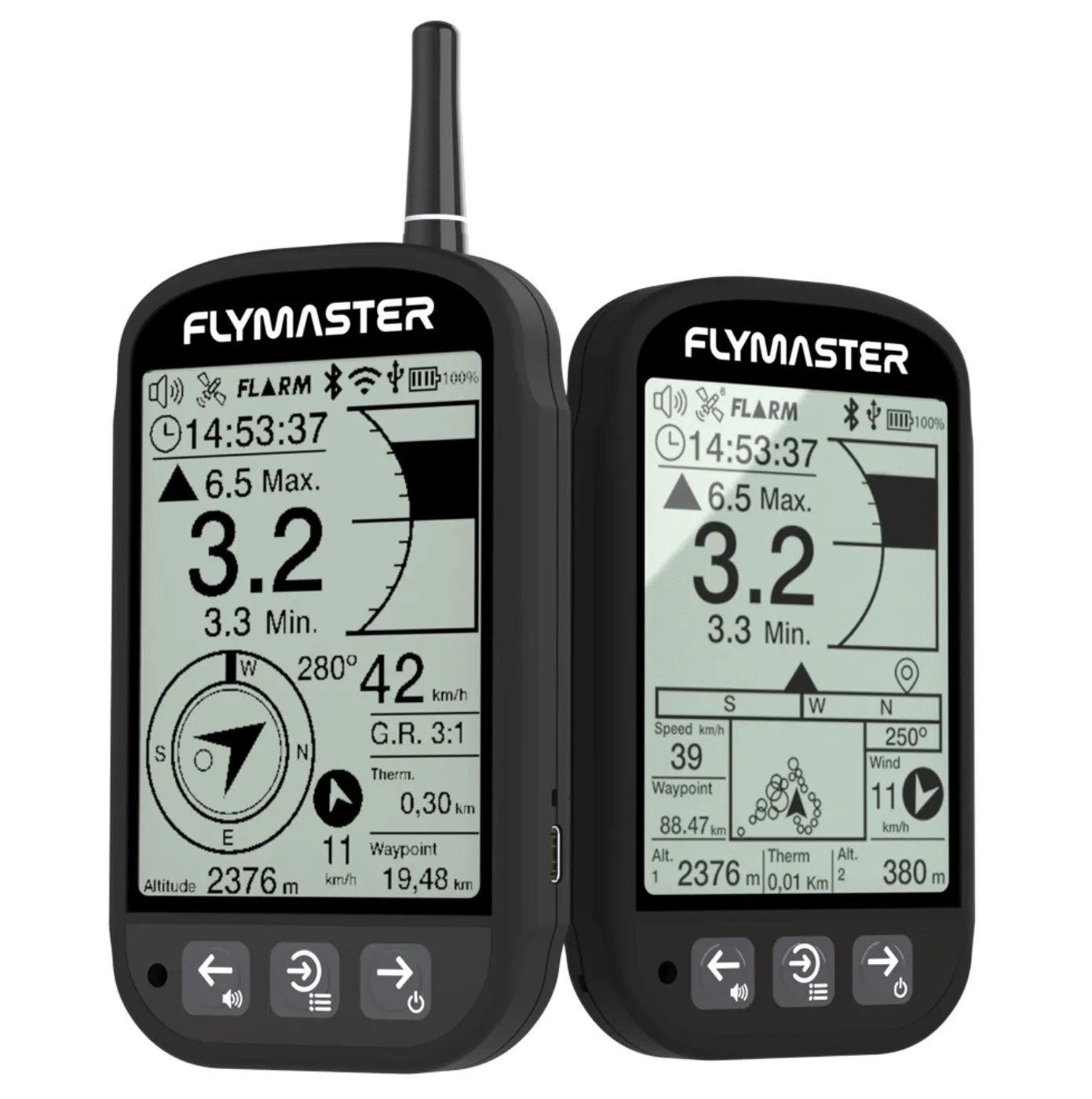
Many pilots stay too long in a dead thermal, refusing to accept the column is spent. Watch your variometer, but also surface air agitation. If edges close and the base drops, every second spent pumping in empty costs altitude for the transition. Regularly check reserves, gear condition, and your actual fitness level. Fatigue clouds judgment faster than wind shifts tracks.
To go or to stay: a field reading grid
Before initiating the turn-out, ask three concrete questions. Do you have enough altitude to reach the next sector with a realistic safety margin? Does weather evolution allow a quick return or demand a cautious descent? Are your body and mind fresh enough to handle cruise phases in sequence? If any point flags red, prioritize route consistency over score chasing.
Managing uncertainty without taking unnecessary risks
Transition isn't a sprint; it's energy management. Stay progressive in choices and concrete in environmental reading. Every flight requires a personal assessment: what works at 2 PM in summer doesn't apply at 9:30 AM in November. Rely on safety margins, check weather before every launch, and adjust to your actual level. Cruise flying rewards patience, not stubbornness.
Trust judgment over ego. A shortened flight due to a poorly judged transition remains controlled. Continuously monitor reserves, respect gear limits, and adapt to warning signs.
Fly safe,
Cyrille MARCK and the Rid'Air/CEM team