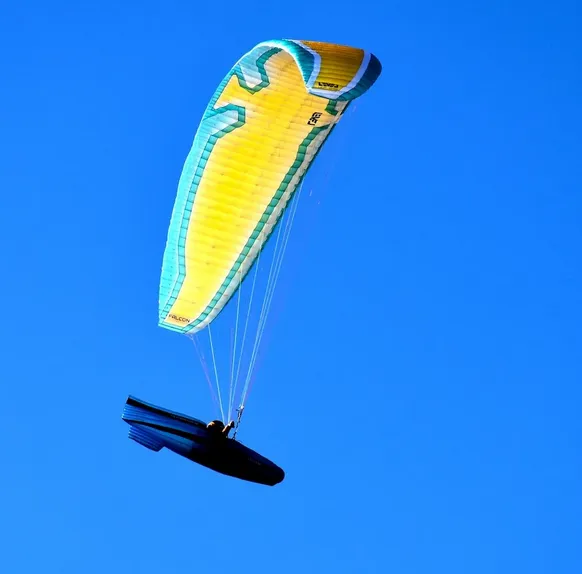

Ultralight Weight: A Bait That Costs More in Wear
The trend is clear: carry less, fly lighter, and catch every little breeze. Light wings immediately attract with their smaller bags and easier ground handling. But calling them a "daily tool" requires a clear head. Immediate enjoyment often masks a harsher mechanical reality.
Durability vs Enjoyment: The Real Trade-off
Lighter fabrics and optimized structures address a physical constraint: reducing mass. In return, they take more abuse from repeated friction, UV exposure, and sand. If you only fly a few times a week at a calm club, it remains pleasant. As frequency increases or terrain gets technical, wear accelerates. You save a few grams in your bag but lose tolerance for repeated collapses and steep takeoffs.
Match Your Flying to the Gear
Choosing a light wing should never compromise your progression logic. Staying cautious, progressive, and practical remains the golden rule. Every in-flight decision depends on real weather, gear condition, exact skill level, and daily fatigue. Prioritizing personalized advice and safety margins prevents turning a pleasant wing into prematurely worn equipment.
In Practice, Who Is It For?
- Holiday pilots: if you fly twice a week in stable conditions, the light format cuts weight without sacrificing the experience.
- Intensive use or beginners: the same wing will face daily collapses and varied landings. Thin fabric degrades faster, and enjoyment drops as the wing loses its initial stiffness.
The compromise is unavoidable. A light wing offers immediate enjoyment and better mobility, but it demands stricter management of its lifespan. Check seams regularly, avoid aggressive deployments, and adjust your flying frequency to the wing's actual condition. Longevity isn't bought with a gram less; it's built through controlled use.
Fly safe,
Cyrille MARCK and the Rid'Air/CEM team