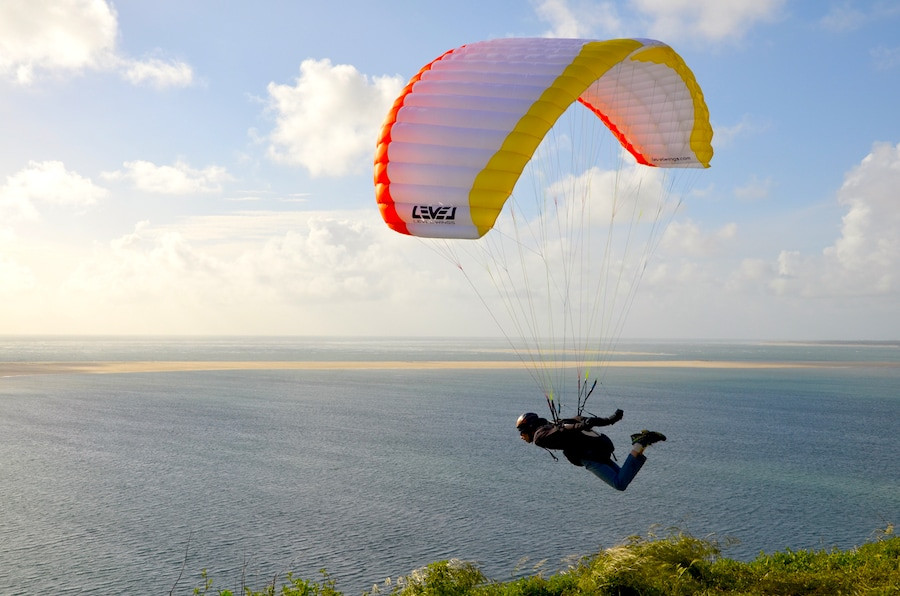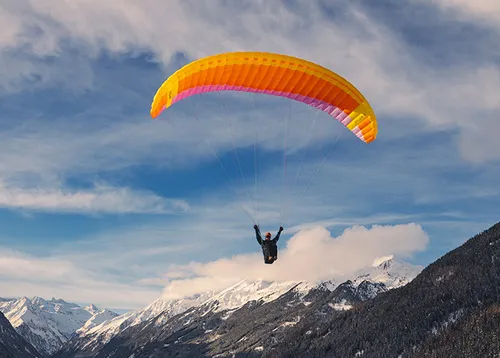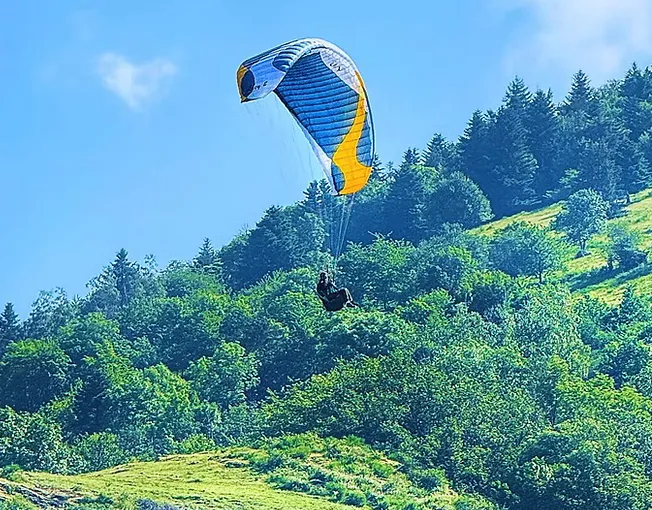
Le parapente est une activité passionnante qui permet de survoler les paysages variés de la France, des Alpes majestueuses aux dunes côtières. Cependant, les conditions de vol évoluent considérablement au fil des saisons, influencées par la météo, les vents, les thermiques et les particularités régionales. Dans cet article, nous explorons ces changements, en nous basant sur des sites emblématiques comme les Alpes (Annecy, Chamonix), les Pyrénées, les Vosges et la Dune du Pilat. Que vous soyez débutant ou pilote expérimenté, comprendre ces variations est essentiel pour des vols sécurisés et agréables.

Le Printemps : Le Réveil des Thermiques
Au printemps (mars à mai), les conditions de vol en parapente se réveillent après l'hiver. Dans les Alpes, comme à Annecy, les thermiques sont dynamiques et instables, avec une brise de vallée du nord-ouest qui se met en place quotidiennement. Les décollages comme Montmin ou Planfait permettent des vols XC (cross-country) vers le sud ou l'est, avec un plafond nuageux à 2 000-3 500 m. À Chamonix, avril à juin offrent les meilleurs thermiques, avec des taux de montée de 4 m/s et un ciel instable propice aux cumulus.
Dans les Pyrénées, les longs vols XC commencent fin février et durent jusqu'à mi-juin, profitant de l'instabilité printanière. Les Vosges, avec leurs collines culminant à 1 000-1 400 m, offrent des conditions modérées mais capricieuses en raison des influences océaniques. À la Dune du Pilat, dès avril, les vents ouest-sud-ouest tournent au nord-ouest, favorisant des ascensions dynamiques avec des brises marines. C'est une saison idéale pour les débutants, mais attention aux averses sporadiques.
L'Été : La Saison des Grands Vols
L'été (juin à août) est souvent considéré comme la meilleure période pour le parapente en France, avec des conditions stables et thermiques abondantes. Dans les Alpes, à Annecy, l'atmosphère se stabilise, offrant des vols thermiques faciles et des routes XC de toutes tailles, comme le tour du lac ou des allers-retours de 70 km. À Chamonix, l'humidité augmente, avec des plafonds à 2 500-3 000 m et des risques d'orages en fin d'après-midi, mais des fenêtres de vol longues jusqu'à 21h.
Les Pyrénées brillent pour les grands vols de distance, avec une infinité d'options dans les montagnes ou les plaines castillanes. Dans les Vosges, l'été permet des vols agréables, bien que la météo reste variable avec des influences semi-continentales. À la Dune du Pilat, les conditions sont fines, mais les canicules peuvent affaiblir les vents, rendant les vols rares certains jours. Les brises marines se forment plus tard, avec des possibilités de thermiques en début d'après-midi. Globalement, c'est la saison des records, mais surveillez les orages.
L'Automne : Des Conditions Douces et Colorées
En automne (septembre à novembre), les conditions deviennent plus douces, idéales pour des vols prolongés. Dans les Alpes, à Annecy, les vols restent viables jusqu'en octobre, avec des thermiques modérés et des routes comme le tour du lac ou des triangles le long des crêtes. À Chamonix, de mi-août à octobre, l'air stable offre des thermiques doux (2-3 m/s), avec des couleurs automnales magnifiques et des vols toute la journée.
Les Pyrénées et les Vosges offrent des opportunités, bien que moins documentées, avec une météo favorable pour les activités outdoor en automne. À la Dune du Pilat, les conditions se dégradent : vents plus sud-ouest, pluies accrues et brises marines inefficaces en raison des températures similaires entre mer et terre. C'est une saison de transition, parfaite pour les pilotes cherchant la tranquillité.

L'Hiver : Des Vols Froids mais Magiques
L'hiver (décembre à février) est la saison la plus challenging, mais possible dans certaines régions. À Chamonix, les conditions sont stables et ensoleillées, avec des thermiques doux formés par le soleil sur la neige, idéales pour les débutants (fenêtre de vol 11h-16h). Les vols en tandem sont faisables toute l'année, et ce n'est pas plus froid que skier.
Dans les Pyrénées, l'hiver est un terrain de jeu incontournable pour le parapente, avec des sites comme les Hautes-Pyrénées. Les Vosges et la Dune du Pilat sont moins favorables : vents forts, pluie et absence de brises marines à la dune, rendant les vols rares. Habillez-vous chaudement et vérifiez les prévisions pour éviter les fronts froids.
Conclusion : Adaptez-vous aux Saisons pour des Vols Optimaux
Les conditions de vol en parapente en France varient grandement selon les saisons et les régions, du dynamisme printanier aux stabilités hivernales. Le printemps et l'été sont généralement les plus propices, mais l'automne et l'hiver offrent des expériences uniques pour les pilotes aguerris. Toujours priorisez la sécurité : consultez les prévisions météo, volez avec des professionnels et respectez les réglementations locales. Que ce soit au-dessus des lacs alpins ou des dunes atlantiques, le parapente reste une aventure inoubliable tout au long de l'année !