Pre-season reserve check: the short list
Before loading the truck or catching the shuttle, ten minutes on your harness inspection is enough. Focus on critical deployability elements without unpacking the entire bag.
Handle and pilot chute: access and pull
The reserve handle must be reachable in one grip, without hunting under straps. Test the pull: it should be smooth and snag-free. On dual-handle setups, ensure both primary and backup release paths are clear. The pilot chute belongs in a dedicated pocket or on a secure internal attachment. Under stress, muscle memory rules: digging wastes precious seconds.
Bungees and fasteners: wear and inspection
Retainer bungees and rubber components face UV exposure, cold, compression, and abrasion. Inspect them individually: micro-cracks, lost elasticity, or exposed threads require replacement. Check fasteners on slings: buckles fully clasped, straps free of sharp edges. A failed bungee can delay deployment.
Packing date and re-packing condition
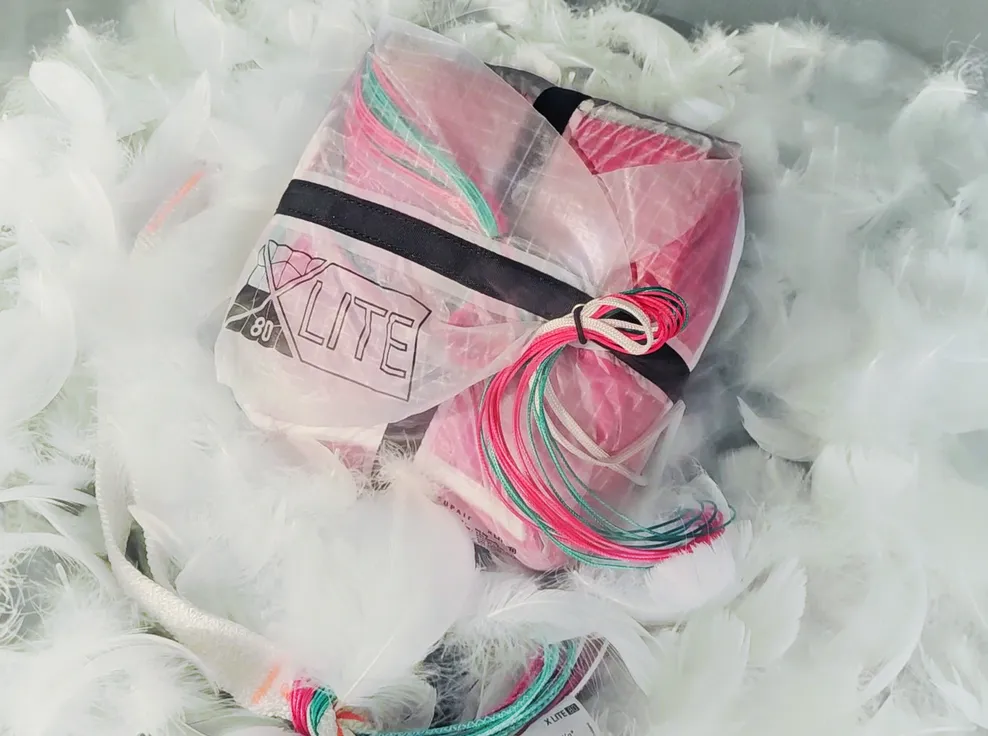
Check the date on your packing manual or internal label. Beyond theoretical shelf life, packing quality dictates in-flight performance. A canopy stored damp, compressed, or folded improperly loses its original reliability. If the last repack was months ago, assess your skill level and fatigue before launch. Seek personalized advice to adjust safety margins appropriately. Proper packing remains the technical foundation for reliable emergency deployment.
This quick check eliminates pre-launch snag points. Safety is built on the ground: inspect your gear, assess your skill level and fatigue. Stay cautious, progressive, and practical by adjusting safety margins to daily conditions.
Fly safe,
Cyrille MARCK and the Rid'Air/CEM team