Beyond the "Picnic Flight" Myth
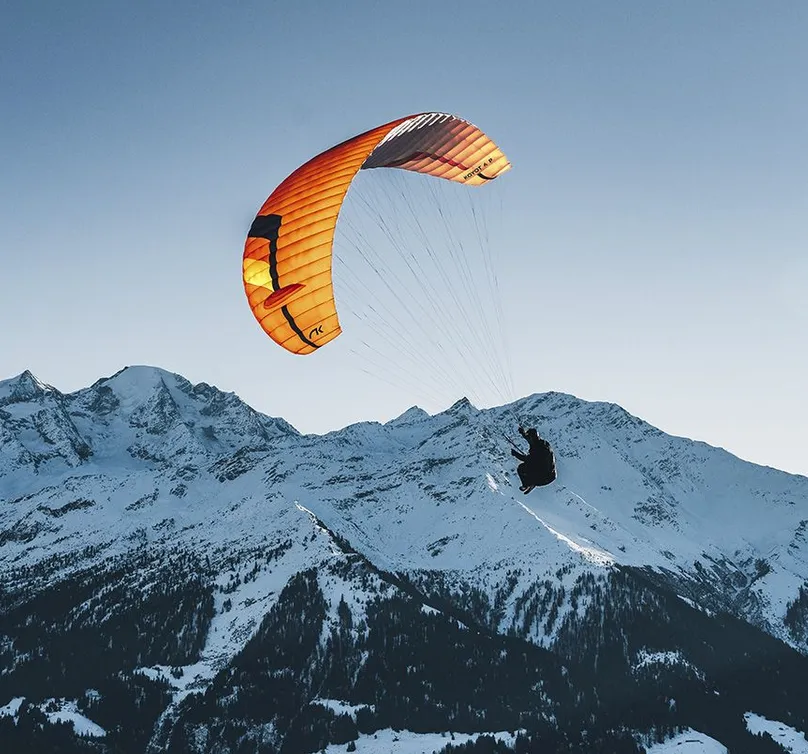
Wanting to fly in the mountains without alpine experience is completely valid. Europe offers numerous accessible flat takeoff areas, straightforward logistics, and ridges that require no climbing gear. Yet, physics doesn't change. Launching from a rocky spur or sun-warmed ridge demands stable weather and precise terrain reading. You never pick a wing based on a fantasy, but on the actual conditions of the site and your current skills.
Realism and Skill: Don't Confuse Altitude with Technique
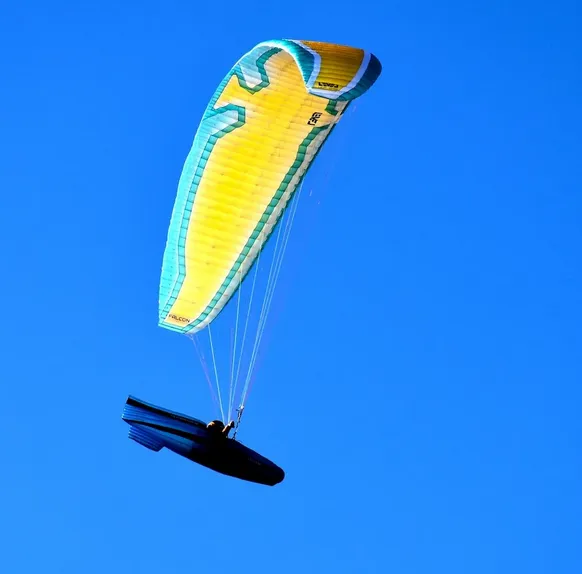
The market offers EN-B or EN-C wings often marketed as all-rounders. Actual flying reality requires honestly assessing your safety margin. A wing that forgives center-of-gravity errors in flat terrain behaves differently in thermal turbulence or sheared wind. If you don't practice active rescue maneuvers daily, accept staying on stable, predictable, and responsive wings that aren't overly aggressive. Pilot level is measured by risk management, not certification labels or flight hours. It's essential to accept that some conditions remain out of reach, regardless of gear quality. Do not increase your wing loading for speed if your flying posture isn't yet stable.
Short Launches: A Field Reality
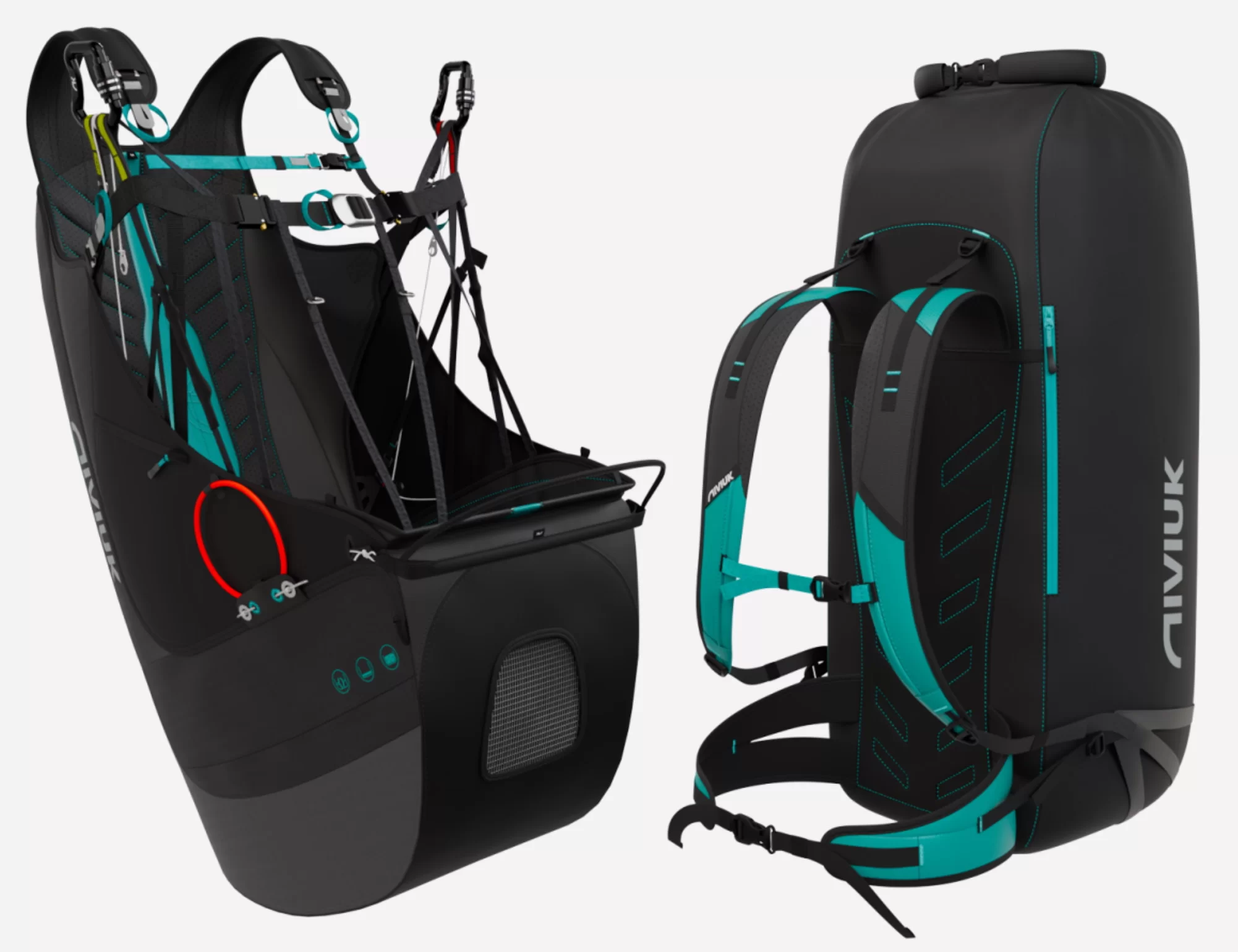
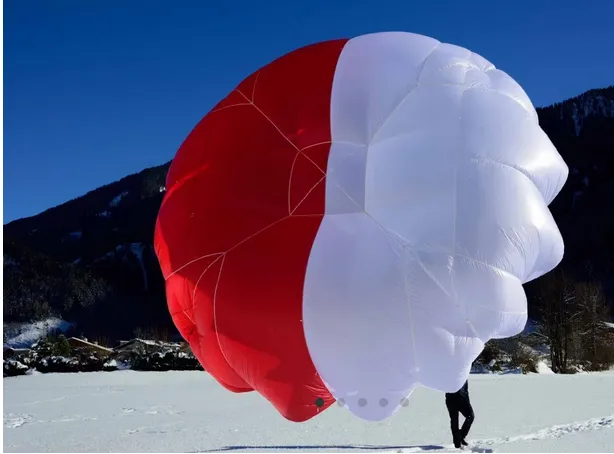
In the mountains, space shrinks quickly. A narrow ridge or steep slope leaves no room for a standard deployment. You must master short launches, often into headwinds or on gentle slopes. This requires a wing that opens cleanly without hooking, a harness that moves with you, and controlled running technique. Never underestimate fabric friction or the impact of a rolling stone. Progress happens in concrete steps, never by force. Practice these maneuvers on wide slopes before moving to exposed ridges.
Checks and Safety Margins
- Check local weather using reliable models and verify wind alerts.
- Rigorously inspect the wing, harness, and instruments before every flight.
- Assess physical and mental fatigue, often underestimated at altitude.
- Seek personalized advice to match gear to your actual profile.
Choosing a mountain wing comes down to balancing handling comfort with responsiveness. Stay pragmatic, progress step by step, and don't try to cover inexperience with a higher certification. The mountains forgive caution, not improvisation. Always check your safety margins before launch and don't hesitate to postpone if the wind shows signs of shear.
Fly safe,
Cyrille MARCK and the Rid'Air/CEM team