Landing is just the start
You touch down, fold the wing, and many immediately start heading back. But hiking out isn't a chore. It’s a plan you must accept before launch. Mountain culture isn’t just about the climb or the flight—it includes the return. Skipping this step puts already-fatigued legs at unnecessary risk.
The backup plan is logic, not rescue
Some think planning a hiking return means admitting failure. Wrong. It’s actually the mark of a clear head. Weather shifts, headwind strengthens, or fatigue hits before you even zip your pack. Choosing to walk means rejecting escalation and keeping safety margins. You never bargain with the terrain or your own body.
Check before you pack up
Before tackling the first ridge, run three checks. Gear must be dry and functional: straps, buckles, everything closes without forcing it. Altitude weather needs a verified re-read: no thunderstorm buildup, no unpredictable downbursts. Your actual fitness and fatigue are the final arbiters. If calves tighten or focus drops, slow down. As our RidAir/CEM field notes stress: stay cautious, progressive, and practical; check weather, gear, fitness, and fatigue; prioritize personalized advice and safety margins. This isn’t philosophy—it’s a protocol.
Walking is also piloting
The descent requires constant terrain reading. Don’t blindly follow a trail if the ground gets technical. Adjust, detour, pick wide passages. Hydration and breathing pace come first. Time means nothing here. The goal is to reach the car or takeoff point while saving energy for the next flight. A wing folded properly is a rig ready to fly again tomorrow.
Key check
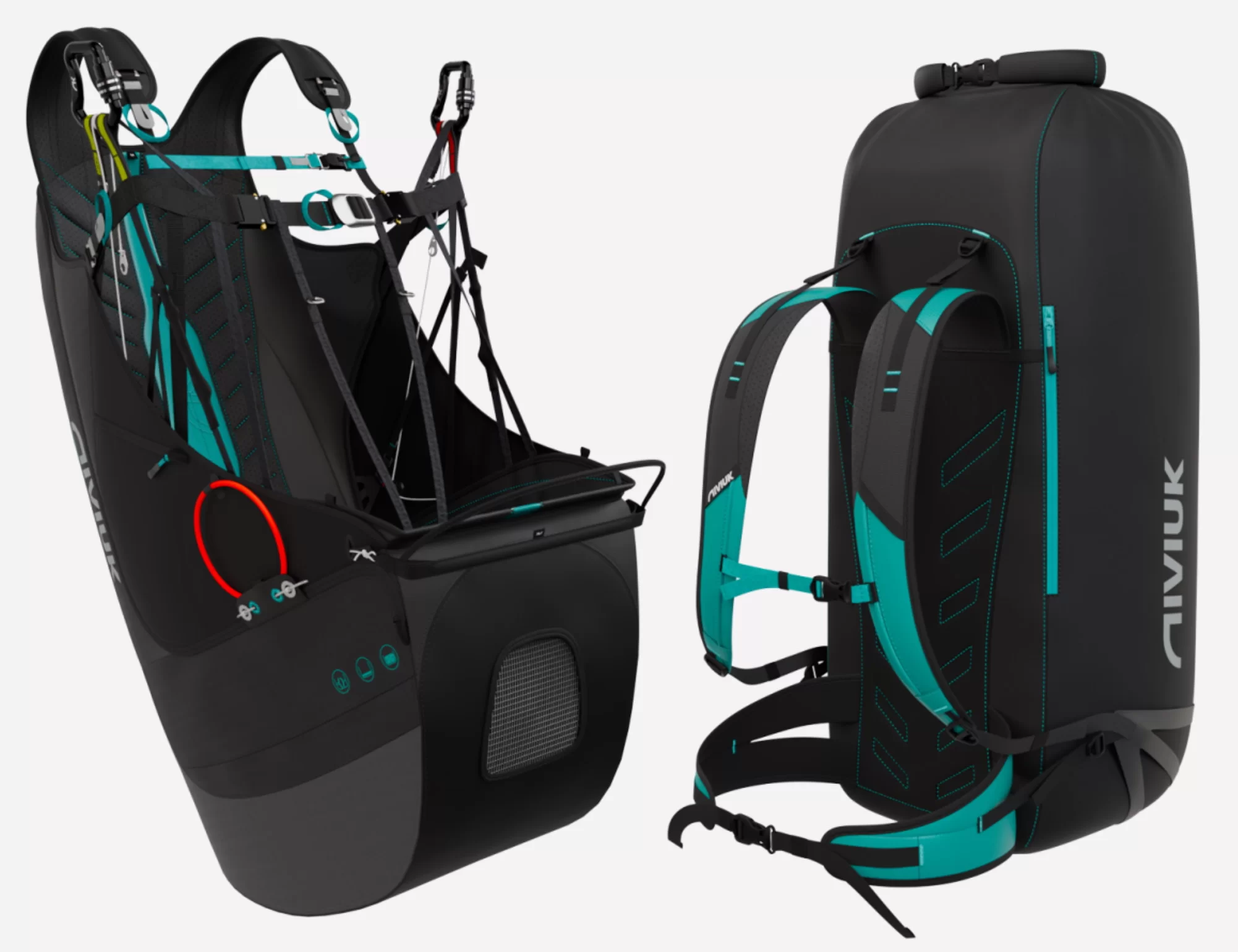
Never underestimate weight reduction. An overloaded pack turns a nice hike into suffering. Carry only essentials: vest, water bottle, light windbreaker, communication device. Leave the rest in the car. Plan your route backward from morning, mark contingency points, and accept that the mountain sometimes demands you leave your wings longer than planned.
Fly safe,
Cyrille MARCK and the RidAir/CEM team