Weight doesn't lie, but it's not everything
In hike & fly, the temptation is always to shave off grams from your back. You aim for compact packs, ultra-light wings, and quick summits. Yet, going lighter does not mean compromising safety margins or flight stability. The real question is a practical balance between durability, launch ease, and turbulence handling. On the ridge, the wind does not negotiate, and a wing pushed beyond its limits by mismatched gear exposes you to avoidable risks.
Materials and durability: the unavoidable trade-off
European manufacturers have developed canopies and stitching that resist rock abrasion and repeated pack friction. A foot-launch wing often gains flexibility, but this requires close attention to high-wear areas. Check reinforcements, line quality, and EN/LTF compliance. Grams saved on the pack are frequently offset by reduced fabric durability or stiffer takeoffs.
Match your level and the terrain
Choose a hike & fly wing based on the terrain you ride and the fatigue from climbing. European mountains are compact, with tailwinds or crosswinds hitting you at the ridge. Opt for a stable setup with predictable handling and controlled power restoration. Progression is key: do not jump up a certification class just to save weight. Every wing has its own character, and the terrain often dictates the rules.
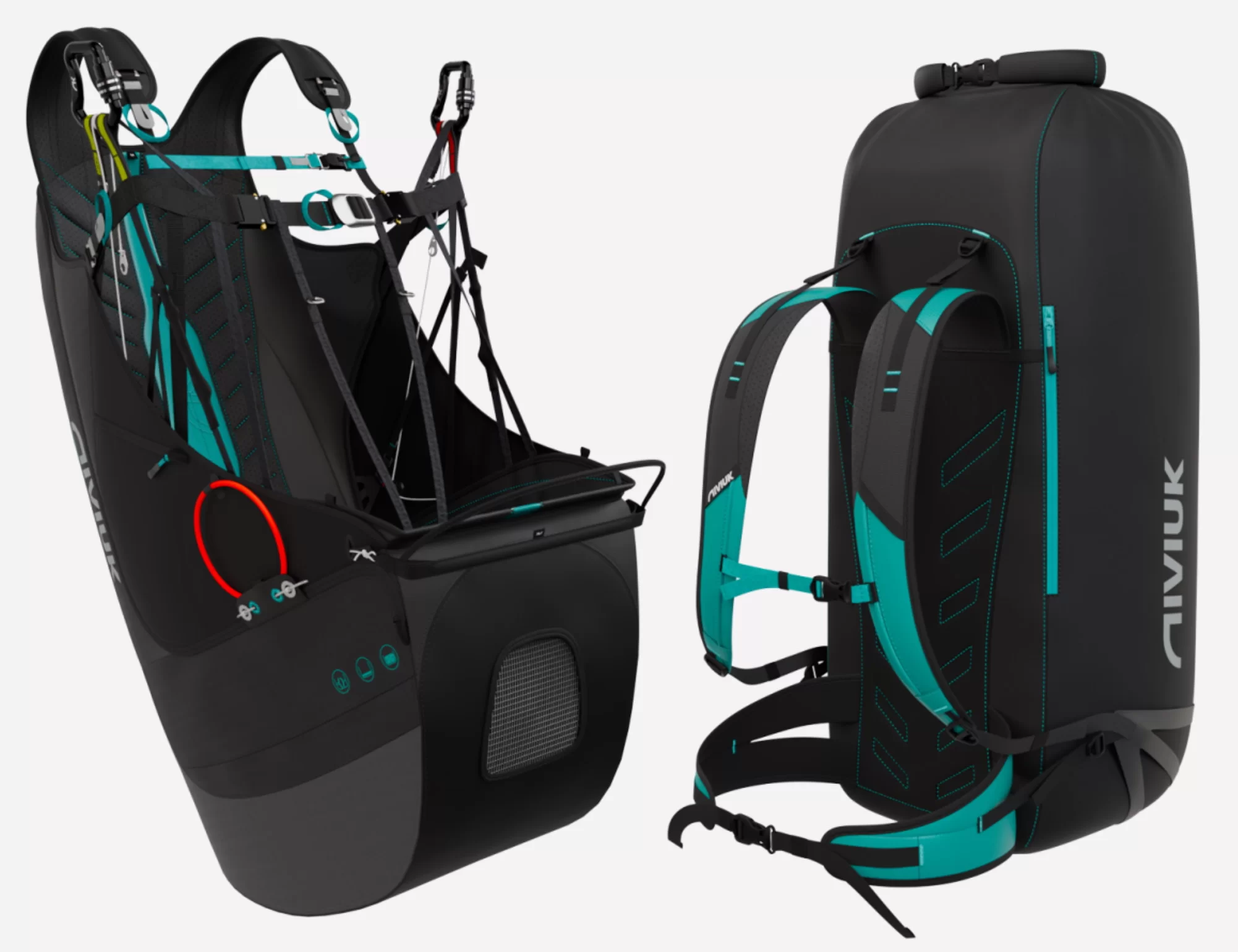
- Pack size and ergonomics: an overly tight volume increases lower back fatigue and complicates packing at altitude.
- Wing-harness interface: compatibility is mandatory. An overhanging pack or stiff harness shifts the center of gravity and affects launch.
- Weather and flight margins: light gear demands strict weather reading. Marginal conditions leave little room for timing errors.
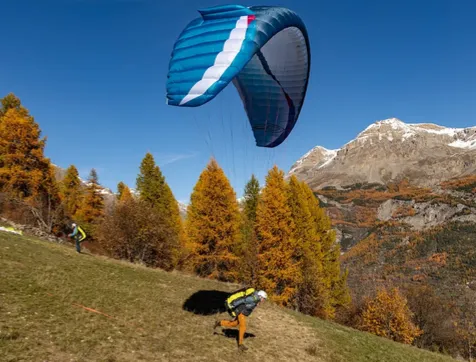
In practice, evaluate your setup through hands-on checks at trade shows and during initial takeoffs. Watch how the wing fills in the air pocket, how the pack settles on your shoulders after a two-hour climb, and whether handling remains intuitive during transitions. Real-world testing or feedback from pilots with similar habits is irreplaceable.
The field advice is clear: progress step by step. Systematically check weather, gear condition, and your personal fatigue level. Always prioritize realistic safety margins.
Key point to remember
Before every flight, ask yourself about the actual mission. If the route involves technical sections or significant exposure, tolerance margins must outweigh weight savings. A wing is a tool, not a race. Fly with full awareness, respect your limits, and adjust gear to the actual terrain you face.
Fly safe,
Cyrille MARCK and the Rid'Air/CEM team