The post-stage flight: setting the frame
You just completed your first course. The basics are in place, but the ground doesn't forgive rushing. The goal isn't to chase lift or intense thermal flying in week one. Aim for the first thirty minutes of calm flight. It's a realistic, measurable, and educational milestone.
Check before you go
- Weather and local conditions: Wind must be steady, aligned with your wing's heading. Zero unpredictable gusts.
- Gear: Harness, helmet, radio, and wing checked. No compromises on equipment.
- Level and fatigue: Stay objective. Sleep, stress, or muscle stiffness directly impact your aerial reactions.
Short, concrete goals
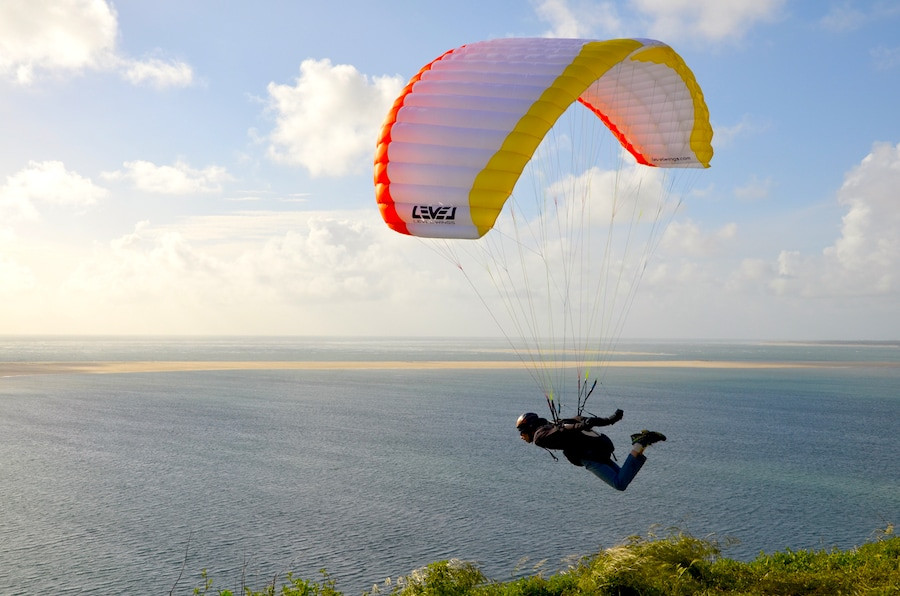
For your first thirty minutes, keep a progressive approach. Stay in the launch zone or on an open sector. Practice clean takeoffs and the initial climb phase. Learn to read control movements without jerking the wing. One controlled turn beats three sloppy rolls.
Prioritize personalized advice and safety margins. If conditions feel tense, land early. Calm flight is first about stress management and signal reading. Don't try to compensate with technique what the context demands you avoid.
Watch the signals
The radio is a tool, not a crutch. Stay on the lookout for short briefings and check local frequencies before every flight. If your instructor or an experienced pilot reports a wind shift, listen. The wing doesn't lie: it reacts to every delay or hesitation. Keep light hands on the controls and prioritize terrain reading over chasing thrills.
Practical wrap-up
The first minutes are flown standing up, feet on the ground. Note your sensations, adjust your pace, and never force a sector that demands more maturity than you have. Progress builds through consistency, not stunts. Respect your pace, check every detail before launch, and always keep a mental backup plan. The terrain remains your primary instructor.
Fly safe,
Cyrille MARCK and the Rid'Air/CEM team