Turn a scare into usable data
You just experienced a sudden stall, a thermal collapse, or an unexpected slowdown. Heart racing, adrenaline spiking, the natural reflex is to pack the wing quietly or downplay it. That's a trap. A scare is raw information, not a verdict. Addressing it properly means logging it in a personal incident report.
Write without filters, but with precision
Open your notebook or phone right after landing. Record facts, not initial interpretations. Which flight phase? What wing trim setting? Condition of lines, pins, and carabiners? Did the actual weather match your pre-flight analysis? The more factual you stay, the more useful the review will be next week.
Break down the chain without looking for a culprit
A scare reads like a sequence. Take the time to isolate each link:
- Weather & site conditions: Expected or sudden turbulence? Wind variability at the valley end?
- Gear & prep: Wing properly rigged? Brake checks verified? Overall condition of harness and reserve?
- Skill & fatigue: Sleep, hydration, in-flight focus? Did mental load eat into your reaction margins?
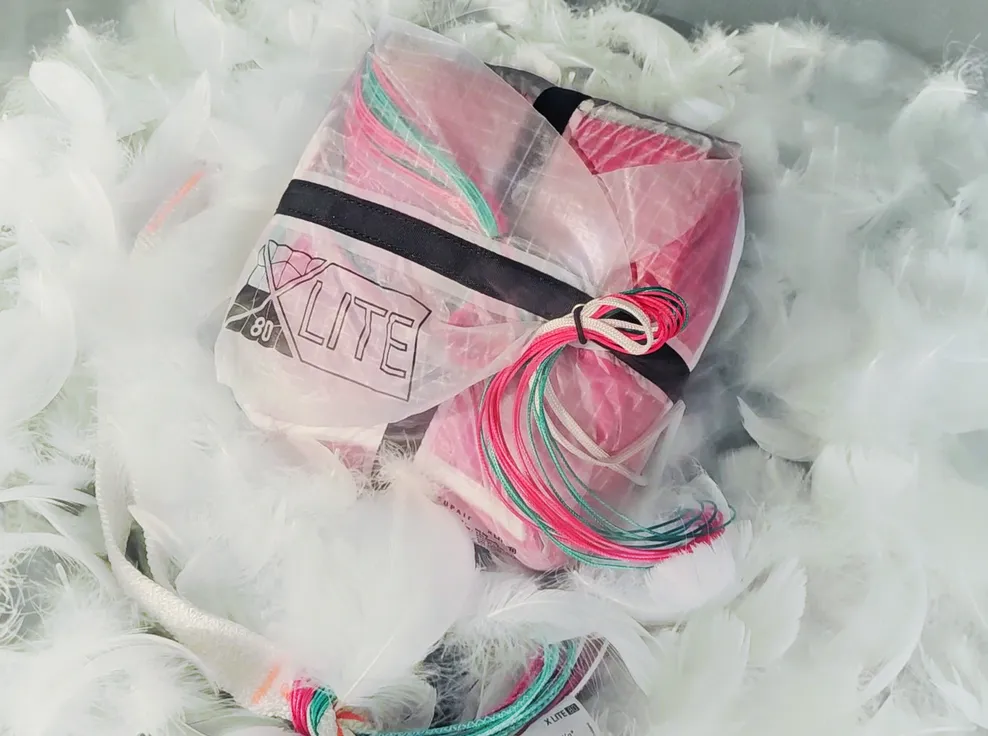
Before packing up, check that your harness and reserve show no signs of abnormal wear. A scare always leaves marks on the site or equipment. Noting them today prevents surprises tomorrow.
This exercise isn't about blaming yourself, but mapping your friction zones. RidAir/CEM field experience confirms: always prioritize safety margins and seek an outside perspective when doubts creep in.
Translate into a margin for improvement
A personal incident report isn't meant to gather dust. It must lead to a concrete adjustment next time. Reduce pace? Decline launch if the takeoff zone is crowded? Practice recovery drills in simulation rather than real flight? The goal is to learn without drama, turning survival instinct into a controlled maneuver.
Staying cautious, progressive, and practical isn't a sign of weakness. It's the only way to reclaim open-air flying enjoyment without letting one scare dictate your next launches.
Fly safe,
Cyrille MARCK and the RidAir/CEM team