What is it actually for?
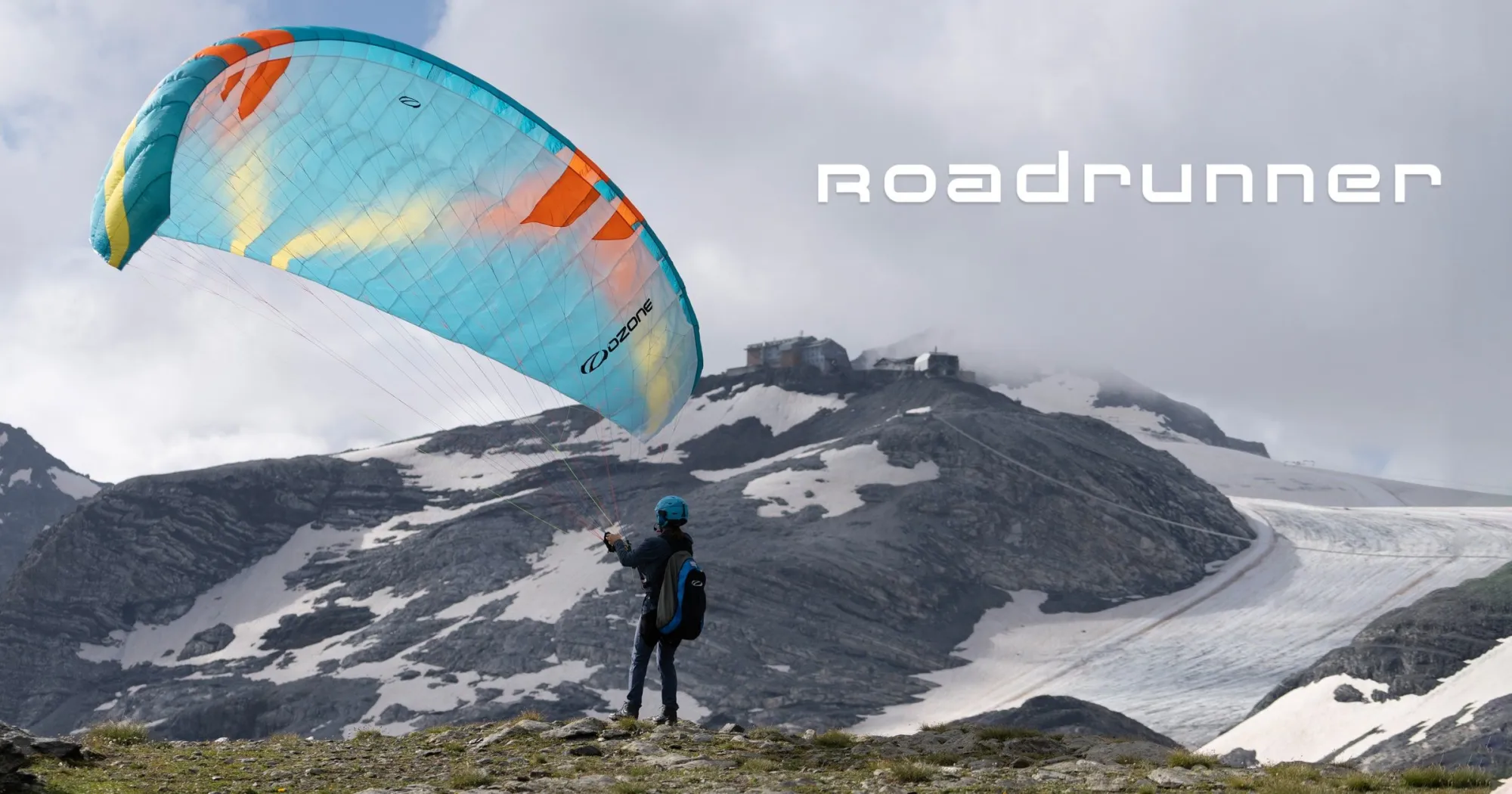
Inflating your wing from the rear is not a demonstration stunt nor an automatic validation. It is primarily a tool for pressure management and directional control. When the wind comes from behind, you will notice that air enters the cells differently. This maneuver helps you maintain your trajectory, avoid asymmetric openings, and prepare for seated takeoff in terrain that can distort your immediate perception.
Strong wind and wing reading
In gusty conditions, the temptation is often to speed up and beat the airflow. Back inflation forces you to slow your reaction and listen to the fabric instead. Adjust the brakes with micro-movements to channel energy without stressing the structure. Your opening will be smoother, centering happens naturally, and wing reading becomes much clearer. Each model has its own aerodynamic signature with tailwinds; understanding them helps you fly precisely, without confusing speed with control.
Practical, progressive, and planned
On the ground, rigor replaces inspiration. You systematically check local weather conditions, the state of lines and fabric, and your own fatigue level. A controlled back inflation relies on continuous signal reading: line tension, turning response, return to neutral. Prioritize personalized advice and safety margins before every attempt. Advancing through short sessions with appropriate supervision remains the only reliable method to integrate this technique without increasing risk.
Your vigilance is non-negotiable. If the wind becomes turbulent, visibility drops, or seated handling feels uncertain, postpone takeoff. A good pilot knows when to use this maneuver and when to leave it aside.
Fly safe,
Cyrille MARCK and the Rid'Air/CEM team