Field Criteria vs Technical Specs
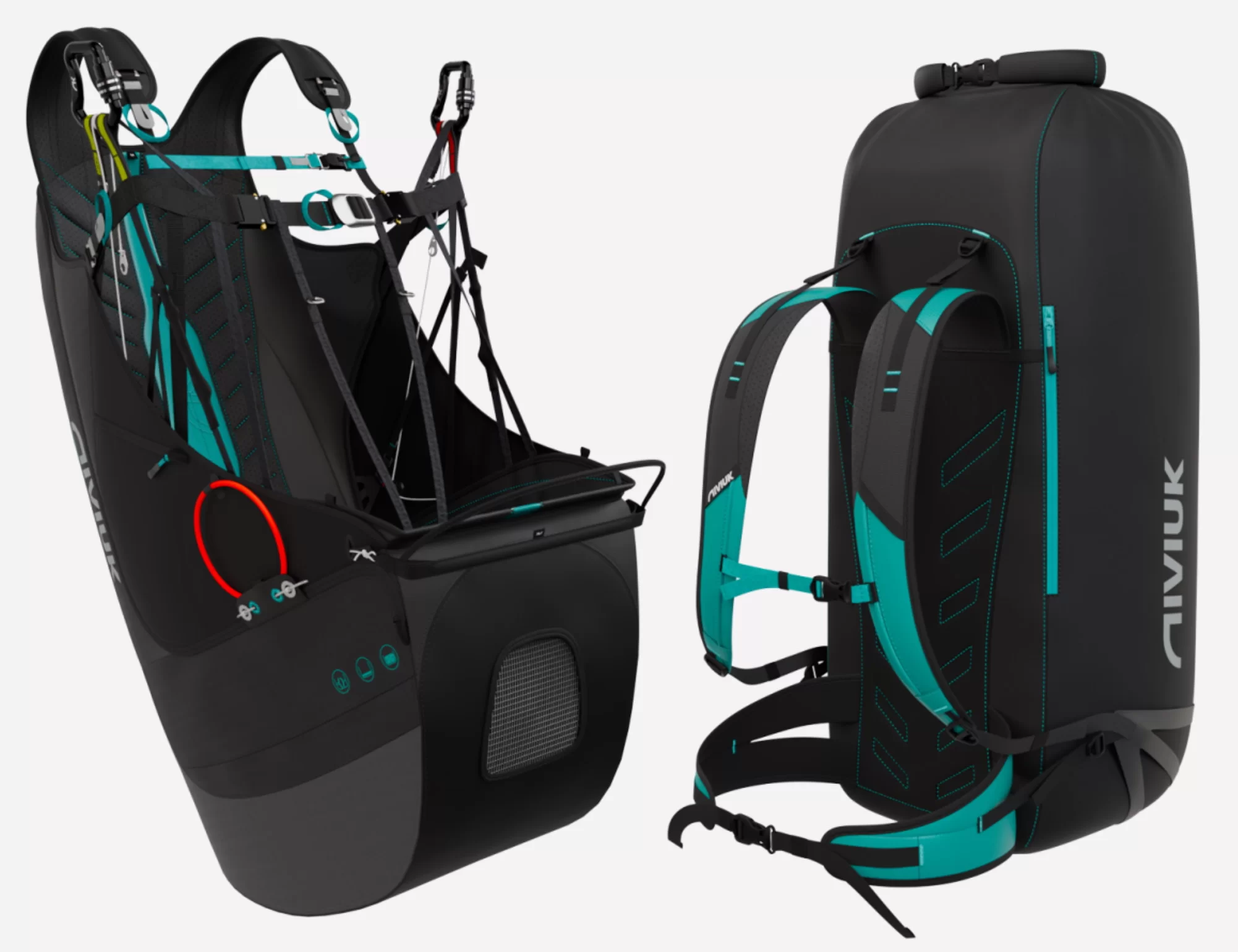
Commercial data (liters, fabric density) do not reflect real-world use. A hike & fly bag is judged by walking and flying: it must stay stable on the trail and not disrupt your balance at takeoff. Sizing depends on pilot profile, local weather, and fatigue levels, regardless of theoretical volume.
1. Volume and Accessibility
The number on the secondary label matters less than internal organization. The goal is to access your harness, radio, and protective gear without unpacking the wing. A zipper that resists with gloves or in damp conditions signals a model unsuited for field use.
2. Attachment and In-Flight Stability
The connection to the harness is critical. Straps must stay clear, and the attachment system must withstand carabiner abrasion. In flight, the bag must not swing in a way that complicates brake control or unnecessarily burdens the pilot.
3. Durability and Repairability
High-friction areas require textile reinforcement. Zippers must function in wet or dusty conditions. Lifespan depends on stitching quality and spare parts availability, not marketing claims.
4. Profile, Weather, and Safety Margins
The final choice must account for your skill level, trail fatigue, and weather conditions. Poorly calibrated gear weighs down takeoff, disrupts wing control, and cuts into your safety margin. Staying cautious and progressive, checking gear and weather before every flight, and prioritizing real safety margins remain the only operational criteria.
The terrain sets the pace. Adapting gear to the reality of hiking and flying maintains safety margins.
Fly safe,
Cyrille MARCK and the Rid'Air/CEM team