The first thousand: the goal, not the race
Gaining 1000 meters of altitude in hike & fly often marks a turning point. The wing moves from your shoulder to your back, the terrain opens up and pressure builds. The goal isn't to push hard from the start, but to avoid being overwhelmed by the climb or takeoff. You have three simple levers: your pack, your water intake, and your pace.
Pack and hydration: less drag means better breathing
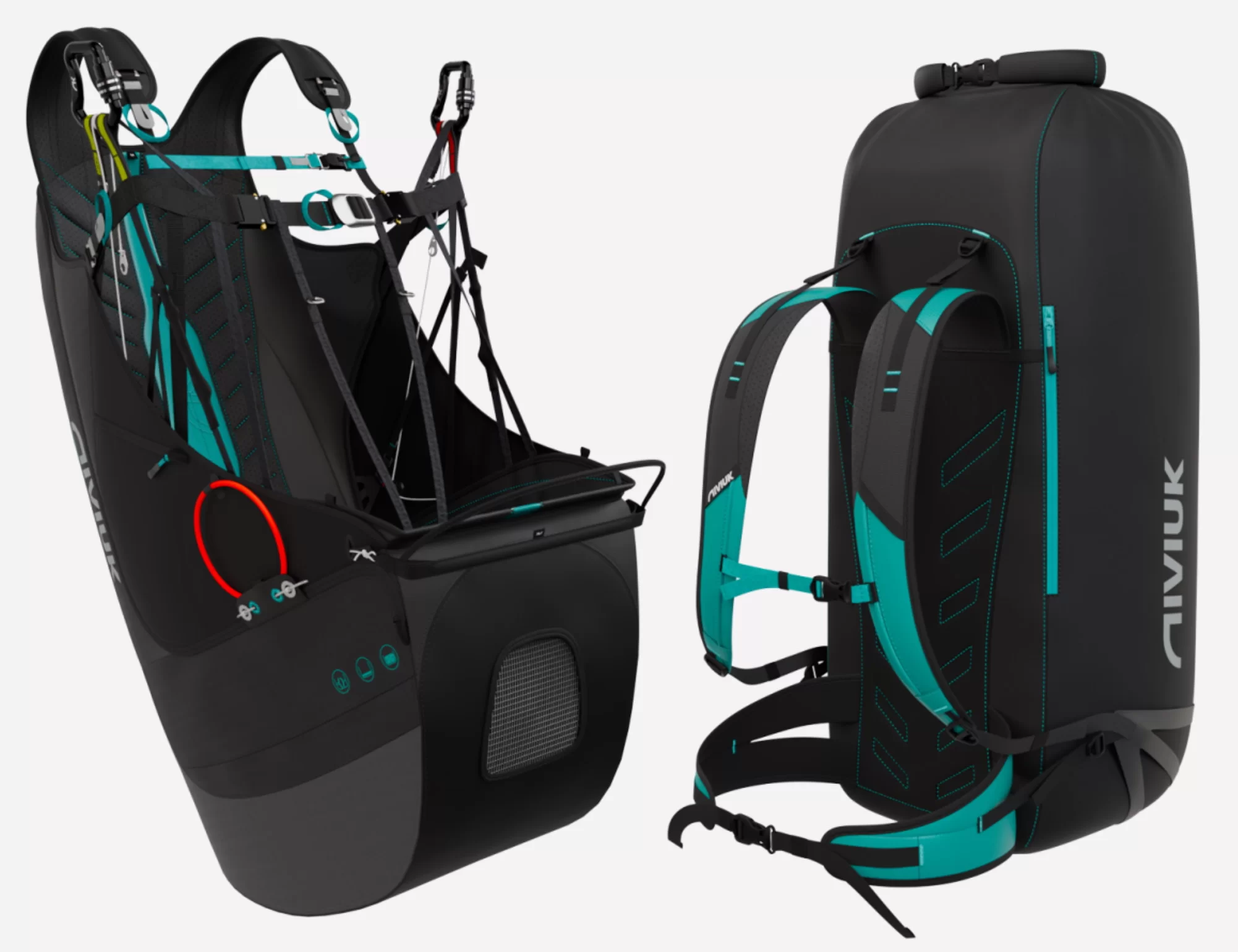
Your hike & fly pack must not become an anchor. Dead weight usually comes from excess gear or poorly placed bottles. Carry only what is strictly necessary for the flight and target altitude. Water remains a priority, but manage its transport: accessible bottles that aren't too heavy on steep slopes. Drink before you feel thirsty. A well-hydrated body handles thermal stress better and preserves your reflexes for takeoff. Check the straps before you start climbing: a pack that chafes or unbalances your load directly ruins your posture.
Walking pace and the wing transition
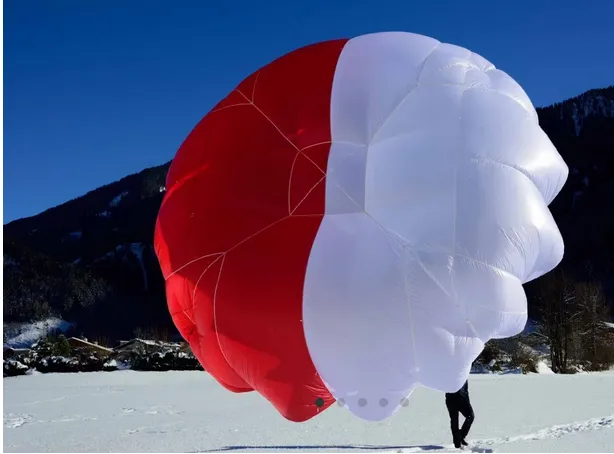
Your pace dictates everything. Too fast and you spike your heart rate, cutting into reaction margins at the top. Too slow and wind patterns can shift or engage differently based on exposure. Find a steady rhythm, regulate your breathing, and keep your focus on the ground. The hike-to-wing transition isn't improvised: stop, check your lines, feel the air before loading the wing. This pause is a gain. Lay out the wing above the launch site to prepare for gusts and keep your hands free.
Safety margins and ground reality
Every mountain flight demands a concrete framework. Stay cautious and progressive; it's not optional, it's the foundation of the discipline. Before heading out, systematically check local weather, gear condition, and your actual skill level against the route. Accumulated fatigue skews your terrain reading and delays takeoff reactions. Always prioritize personalized advice and wide safety margins, especially on a first major altitude gain. Do not confuse boldness with recklessness: the ground forgives nothing to those who underestimate the slope or ignore wind shifts.
The 1000 meters is managed through consistency, not bravery. Listen to your body, adjust your load and let the wind work for you. In the mountains, patience always yields better results than haste.
Fly safe,
Cyrille MARCK and the Rid'Air/CEM team