The trap of flying at your home site
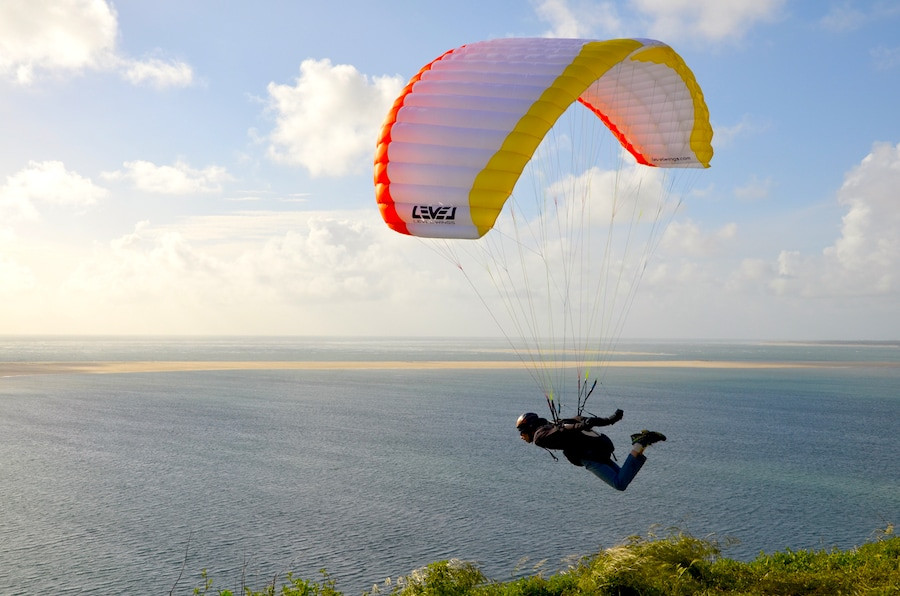
After several seasons on the same slope, you build visual and muscle memory. You know where to set up, when to launch, how to react if you stall. It’s reassuring, but it becomes a cage. Progress stalls because your brain anticipates instead of observing. You're just skimming the air rather than actively piloting. Switching sites isn't running away; it's a technical lever.
Breathing new air without chasing extremes
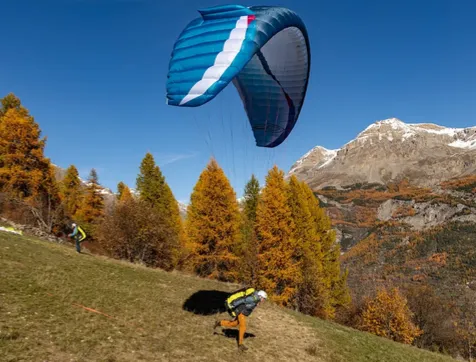
Charging into a steep launch or turbulent zone without prep confuses the desire to explore with recklessness. Real progress requires a controlled step out of your routine. Aim for terrain that demands different weather reading, shifting wind directions, or sharper topography. The goal isn't adrenaline; it's waking up your analytical reflexes. Every new site forces you to reassess the launch, rethink your flight paths, and adjust your piloting.
Your progress is decided on the ground
RidAir/CEM field experience reminds us: safety isn't negotiated in the air. Before switching locations, you need a clear, grounded look at your current situation. Here are the non-negotiable checkpoints:
- Weather and topography: compare local data with the target site. Analyze wind impact, spot lee zones, and note potential downdrafts.
- Actual level vs. demand: a site that looks easy on paper can become technical in light breeze or crosswind. Know your limits; don't cross them blindly.
- Gear and fatigue: check your wing condition, harness strap adjustments, and especially your focus level. Fatigue drastically shrinks your reaction margins.
- Advice and safety margins: prioritize talking to local pilots or instructors. Safety margins aren't guessed; they're planned.
Switching sites means accepting that you won't master everything day one. It's choosing learning over routine. You return gradually, note piloting gaps, and adjust your paths. Paragliding progress is built on this alternation between familiarity and measured discovery.
Stay aware of your actual limits. The mountain doesn't wait, and the wind doesn't compromise with habit.
Fly safe,
Cyrille MARCK and the Rid'Air/CEM team