Anticipation before takeoff
Flying in the mountains without constant radio or phone coverage immediately changes your relationship with the terrain. No instant rescue or continuous weather feeds here. The decision is made before even unrolling your wing. Staying cautious and progressive isn't an option; it's the foundation of the craft. Rigorously check local weather, your gear condition, and your actual skill level against the chosen sector. Fatigue quickly hides safety margins.
- Define a main route and a known fallback point in advance.
- Every flight starts with an honest assessment of your physical and mental state.
- Prioritize corridors where landing remains accessible, even if conditions deteriorate.
The flight path as your guide
When signals drop, the terrain becomes your reference. Learn to read the mountains and chart your own route. Identify ridges that sustain lift, spot valleys that dry out quickly, and maintain a steady line. A path plotted on paper or GPS avoids mid-air hesitation and reduces mental load. In Europe, many areas are frequented or marked; stay within known corridors and avoid unprepared sectors. A consistent path keeps you aligned with your limits and makes it easier for companions to follow.
Flying in sight of companions
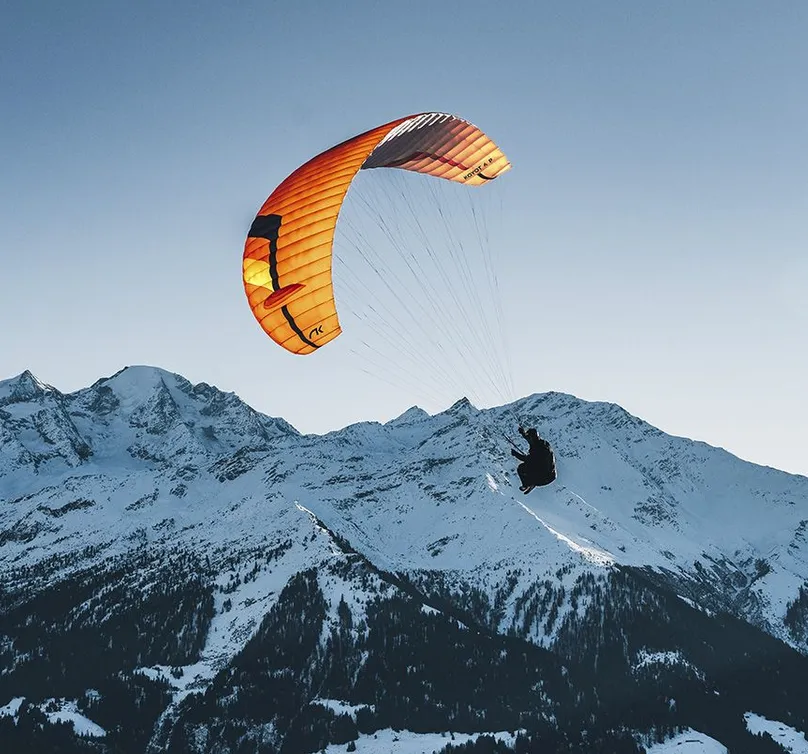
Structured group flying largely compensates for the lack of network. Visual flight with pilots whose habits you know allows constant situational awareness and shared decisions. Stay within visual range, call out terrain observations, and anticipate deviations. If one pilot packs their wing, the group adapts without waiting for radio confirmation. This practice demands strict discipline: no unnecessary deviations, strict distance respect, and systematic priority given to landing before fatigue or changing conditions set in.
In the mountains, poor network coverage isn't a handicap; it's an evaluation criterion. Be practical, verify your plan beforehand, fly with competent companions, and always keep a realistic fallback margin. The terrain does not forgive improvisation.
Fly safe,
Cyrille MARCK and the Rid'Air/CEM team