When the sky is too blue, the air gets tricky
The weather is clear and visibility is good, but your thermals remain subtle. This is the classic scenario for persistent European anticyclones: a stable air mass that suppresses lift. Flying in these conditions requires no extra gear, just a different reading of the landscape and strict energy management. The goal isn’t to chase strong cores, but to optimize every meter gained.
Terrain reading: spotting the cues
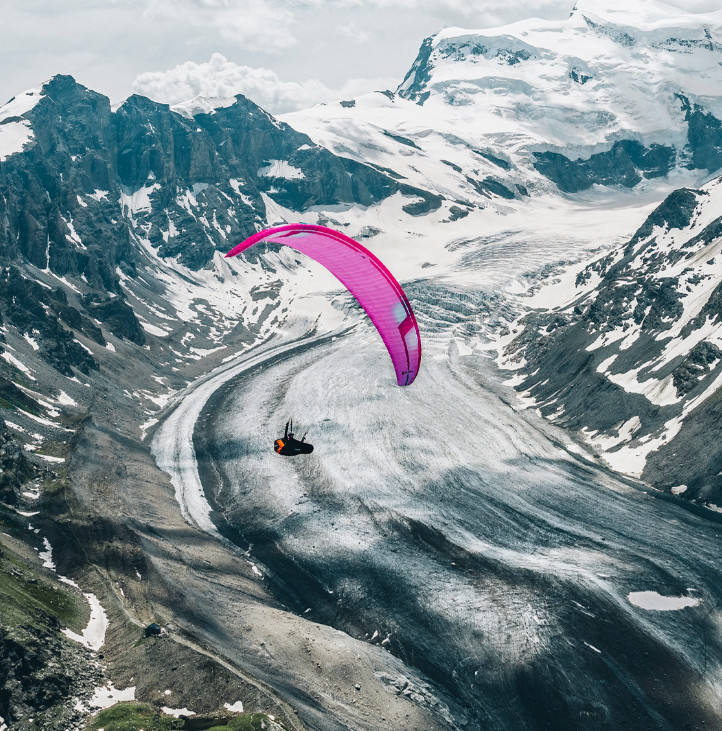
Without cumulus clouds to guide you, the terrain is your only map. Identify areas of differential heating: south/southeast-facing slopes, rocky zones that store heat, or vegetation breaks. Stay cautious and progressive when using these weak signals. Rely on visual reconnaissance rather than pure intuition. Check in-flight weather, gear condition, and fatigue levels regularly. Every blue-sky launch demands wider safety margins.
Drift and glide: flying in economy mode
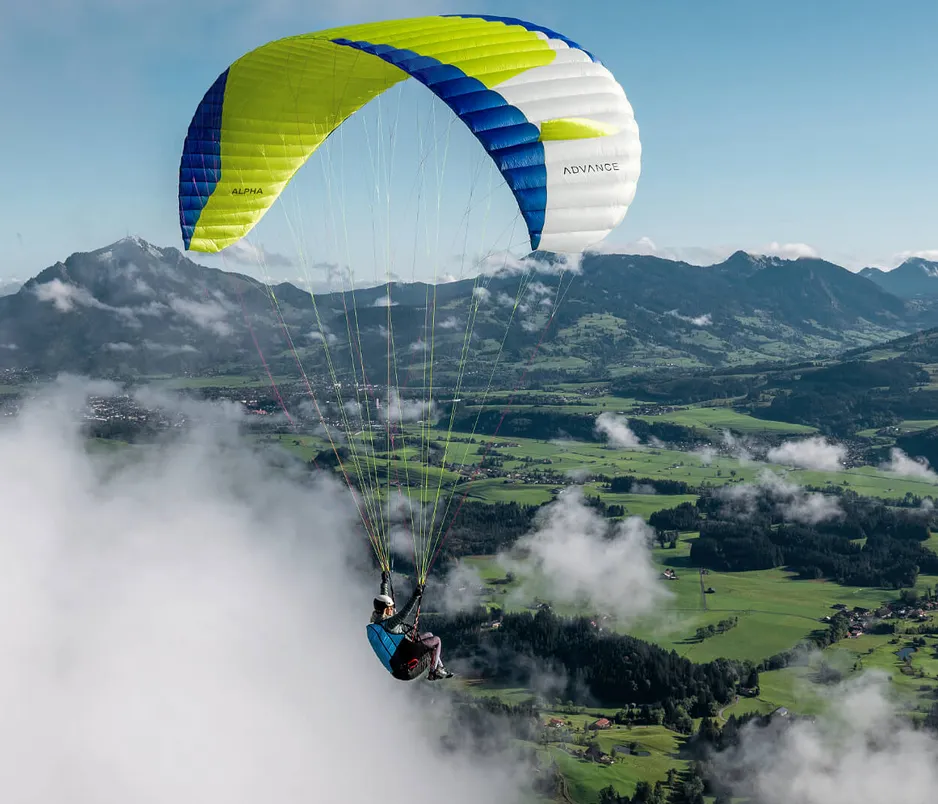
Without marked lift bands, drift becomes both your enemy and ally. Once you catch the first thermal bump, commit to tight spirals or progressive turns to maximize vertical gain. If lift weakens, switch to glide navigation. Control your speed and sink rate to maintain maneuvering room toward the next favorable zone. Always prioritize a planned landing site and clear backup options.
Patience as your compass
These days require a pace change. It’s no longer about stringing together fast turns, but letting the air organize itself. You’ll gain more by waiting for a clear signal than forcing it in a doubtful zone. Stay practical: if lift consistently stays below 0.5 m/s, reduce your range and opt for shorter flights. The RidAir/CEM field advice holds: never overload your judgment, keep a personal safety margin, and adjust your expectations to the day’s feel.
Flying when the sky doesn’t help means accepting to slow down so you can go further. Fine terrain reading, strict drift management, and constant margin control turn these so-called white days into technical sharpening sessions. Watch local variations closely, check conditions before every launch, and remember that safe return always outweighs distance covered.
Fly safe,
Cyrille MARCK and the RidAir/CEM team