

Météo
2 min
Spring intensity: why thermals hit harder
The sun hits stronger, cloud cover thins out, and updrafts turn aggressive quickly. Why spring generates harder thermals and how to handle them safely.
Buying guides, safety tips, equipment reviews and free flight news.
12 articles
The sun hits stronger, cloud cover thins out, and updrafts turn aggressive quickly. Why spring generates harder thermals and how to handle them safely.

Evening flying offers smooth sensations, but that smoothness isn't automatic. You must read the aerology precisely and maintain your safety margins.

Reading early warning signs, managing timing and safety margins for free flight in summer conditions.

When the sky speaks, listen before launching. Here is how to structure a fast, concrete, decision-focused weather analysis in exactly 12 minutes.
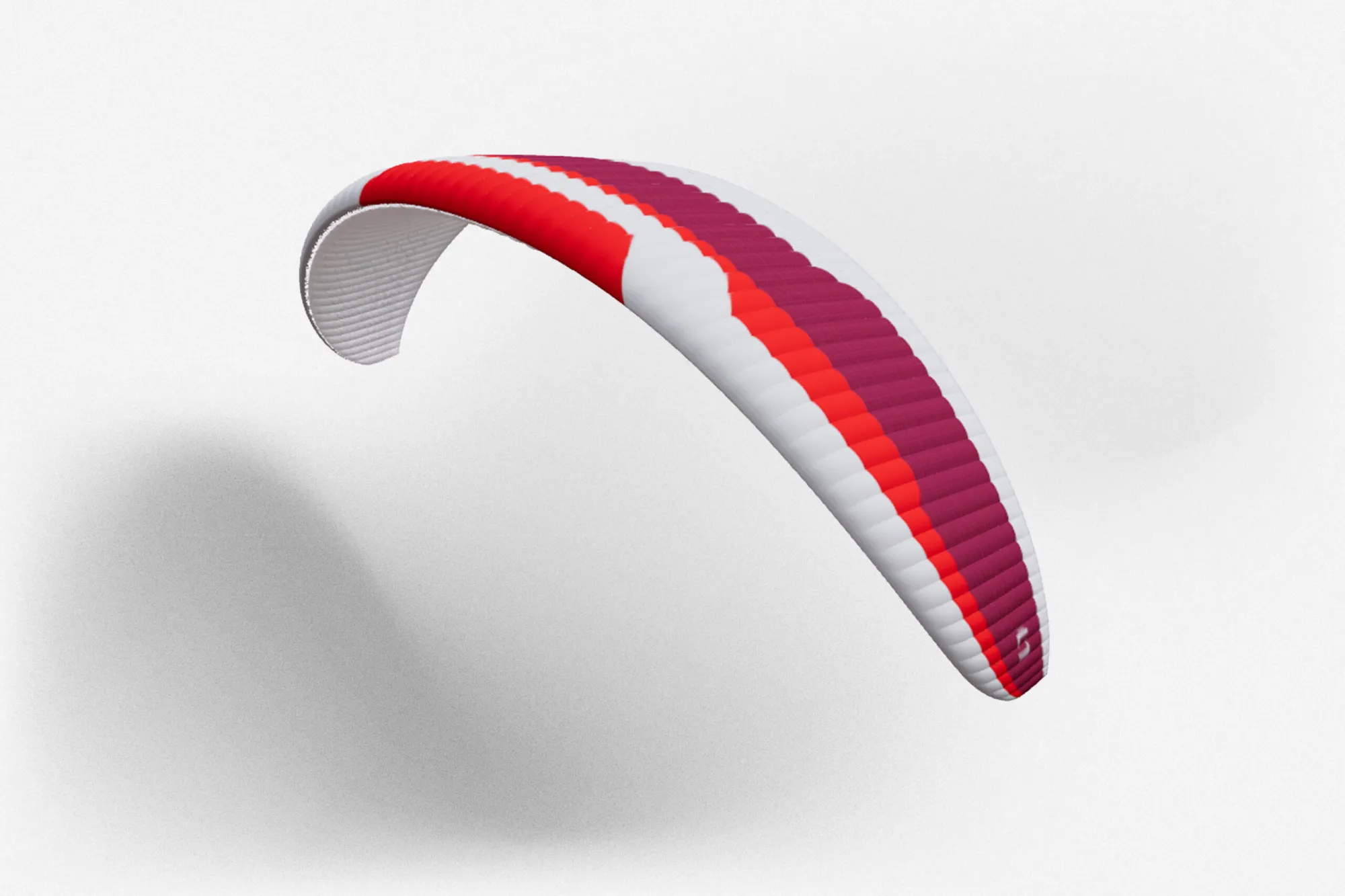
Identifying laminar flow versus gusts. Knowing when soaring conditions are favorable and when to land due to unstable wind. Strict field advice.

Terrain reading, flow management, and launch safety at the Markstein sector in northeast conditions.
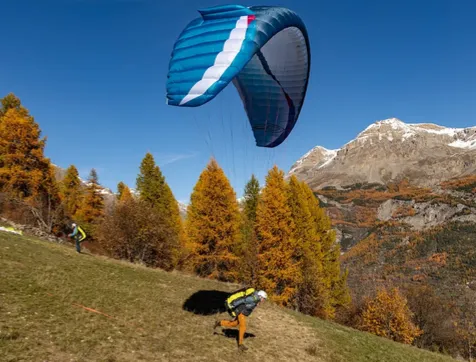
Stable morning, patience: how to read and manage a thermal inversion for safe flying.

Humidity, thermal recovery, and saturated ground: a field analysis for safe flying after heavy rain.
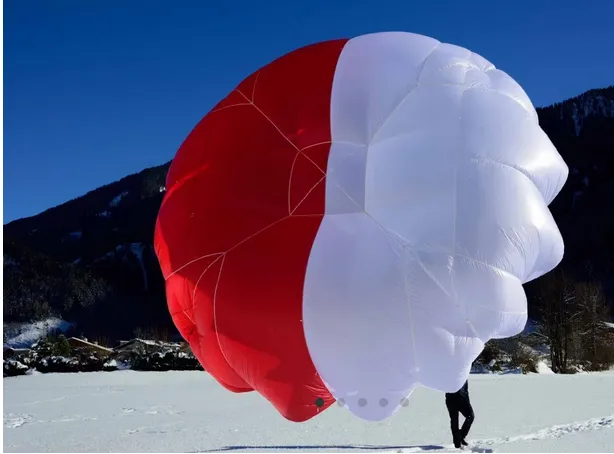
National forecasts, grid scale, terrain effects: the announced wind will never be exactly what you feel at launch. A look at local effects and how to read them without getting trapped.
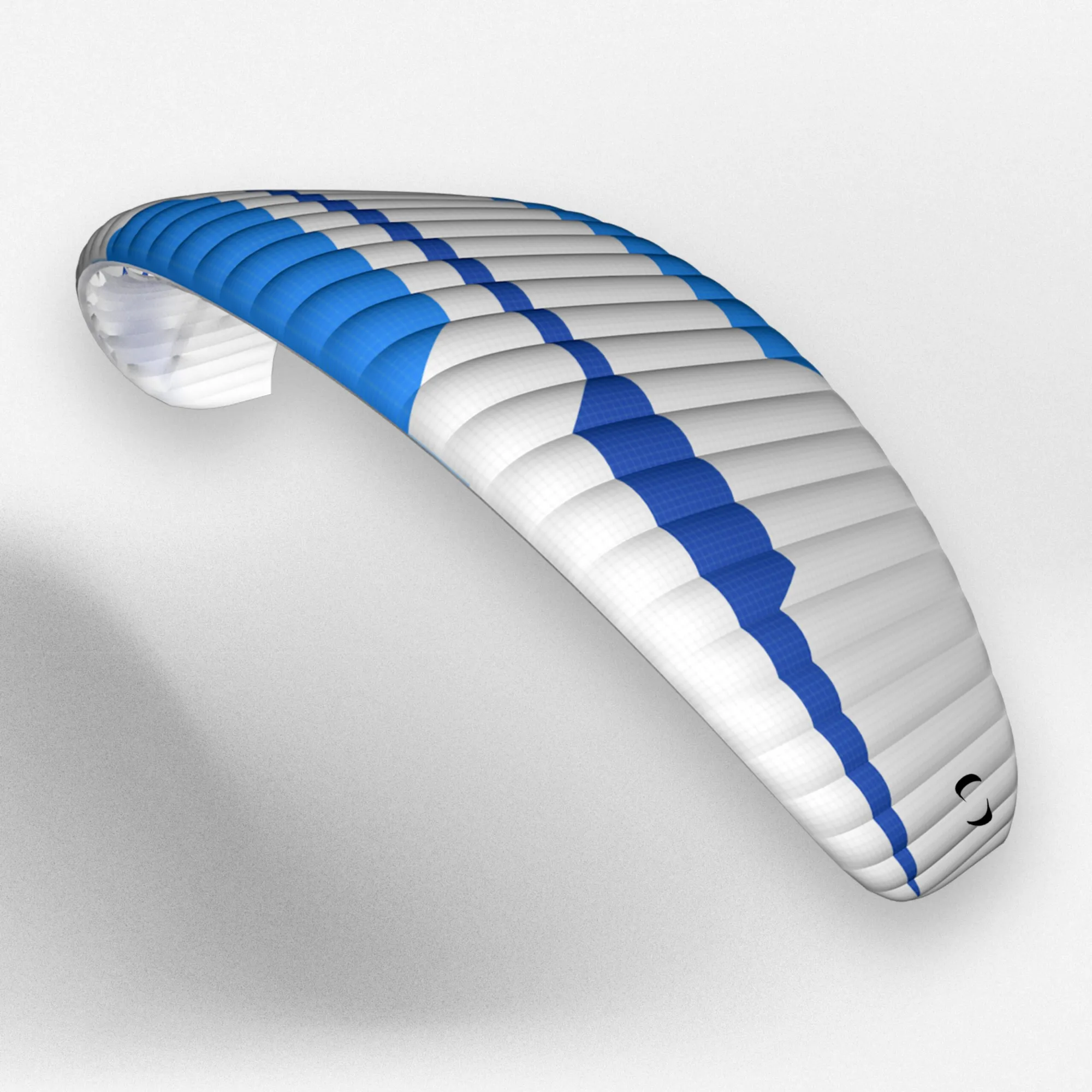
Cumulus and congestus: read the sky, check your margins, fly progressively.

Anticyclone, clear sky and subtle lift: how to optimize your flight by reading the terrain, managing drift, and staying patient.

No more theory lectures. Here’s how to read valley wind day by day, so you can fly calmer and adjust your site choices.
Our recommendation tool analyzes your pilot profile and budget to suggest the best options.