Paragliding is a sport where the safety and performance of your equipment are crucial. Proper maintenance of your wing can not only extend its lifespan but also ensure safer flights. Here are some tips to keep your paraglider in excellent condition.
Regular Inspection
- Before and After Each Flight: Make it a habit to check your wing, lines, and risers. Look for signs of damage such as tears, holes, or damaged lines. Pay particular attention to stress points where the lines attach to the wing.
- Annual Inspection: Have your paraglider inspected by a professional at least once a year. They can detect problems you might miss and perform necessary repairs or adjustments.

Cleaning
- Avoid Frequent Washing: Washing can damage the fibers and materials of your wing. If cleaning is necessary, use clear water and avoid harsh detergents. Then rinse thoroughly to remove any residue. Generally, friction on the fabric removes the coating and makes the fabric porous.
- Dry in the Shade: After a rainy flight or cleaning, dry your wing in the shade to preserve the colors and fabric structure. Avoid leaving it exposed to the sun for long periods.

Storage
- Correct Folding: Fold your paraglider in a way that minimizes creases and stress on the fabric. Use the manufacturer's recommended method to avoid permanent creases or damage to seams.
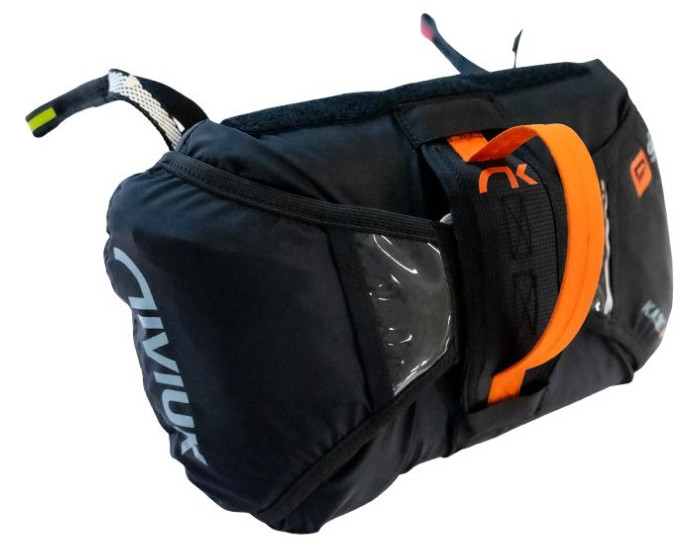
- Storage: Store your wing in a dry, cool place, away from direct sunlight and chemicals. A paraglider-specific storage bag is ideal to prevent moisture and insects.

Prevention and Repair
- UV Protection: UV rays can degrade your wing's fabric. When possible, store your paraglider in a UV bag or use UV covers for long-term storage.
- Repairs: At the slightest tear or hole, use ripstop tape or a repair kit to prevent the problem from worsening. Prompt repairs can prevent greater damage.

Other Tips
- Avoid Abrasions: Be careful during takeoffs and landings to avoid rubbing the wing on abrasive surfaces like rocks or bushes.
- Line Inspection: Lines can stretch or get damaged over time. Regularly check their length and integrity, and adjust or replace them if necessary.
- Avoid Moisture: Moisture can lead to mold, which can weaken materials. Make sure your wing is completely dry before storing it.
Conclusion
Maintaining your paraglider is a time investment that can greatly benefit your safety and equipment performance. By following these tips, you will not only extend the life of your wing but also ensure safer and more enjoyable flights. Remember, a well-maintained paraglider is a happy paraglider, ready to take you on new aerial adventures.