Kitesurfing is one of the finest hits of pure riding you can give yourself. But it's also a sport where you're handling a real energy machine above your head. I'm Cyrille MARCK, paragliding instructor and founder of Rid'Air. Free flight and kiting share the same aerological DNA: a wing, some wind, and a pilot who has to understand what's happening above them. Let me explain how to start the smart way, without skipping steps.
Quick definition: what does getting started in kitesurfing mean?
Getting started in kitesurfing means learning to fly a traction wing pulled by the wind to glide across the water, beginning with ground handling of the kite, then body dragging (being towed without a board), before the water start on the board. Progression follows this precise order, and each step sets up the next one. You don't skip kite handling to jump straight onto the board: that's the surest way to get hurt.
Safety first: school is non-negotiable
I'll be blunt, because it matters. Kitesurfing isn't something you learn alone on the beach with a second-hand kite and a YouTube video. The energy a traction wing can unleash is enough to lift an adult, drag them across the sand, slam them into an obstacle. Every season, serious kite accidents almost always have the same cause: a self-taught beginner who underestimated the wind window.
A school teaches you three things no tutorial will ever get across properly: reading the wind and the water, managing the wind window, and triggering your safety systems by reflex. It's exactly the same logic as in paragliding, where my father founded the CEM at the Markstein back in 1977: you never send a student up without first teaching them how to come back down. Kiting is the same thing on the water.
A few rules I hammer home to my students, whatever the discipline:
- Always know the wind's strength and direction before you rig.
- Never go out in offshore wind as a beginner: it pushes you out to sea.
- Scout the zone, the swimmers, the obstacles, the recovery areas.
- Know how to release your kite: the leash and the safety system on the chicken loop, that's your life.
- Never tie yourself rigidly to a wing inflated on the ground in strong wind.
The gear: inflatable wing (LEI) or foil kite?
There are two big families of kites, and the difference shapes how you'll learn.
The inflatable kite (LEI, Leading Edge Inflatable): this is the kite everyone knows, with an inflatable leading edge and inflated struts. It floats on the water, relaunches easily after a crash, and remains the reference for learning kitesurfing on the water. Its rigid inflated structure forgives a beginner's piloting mistakes and allows a simple relaunch from the surface. To start classic kitesurfing, this is generally where you begin.
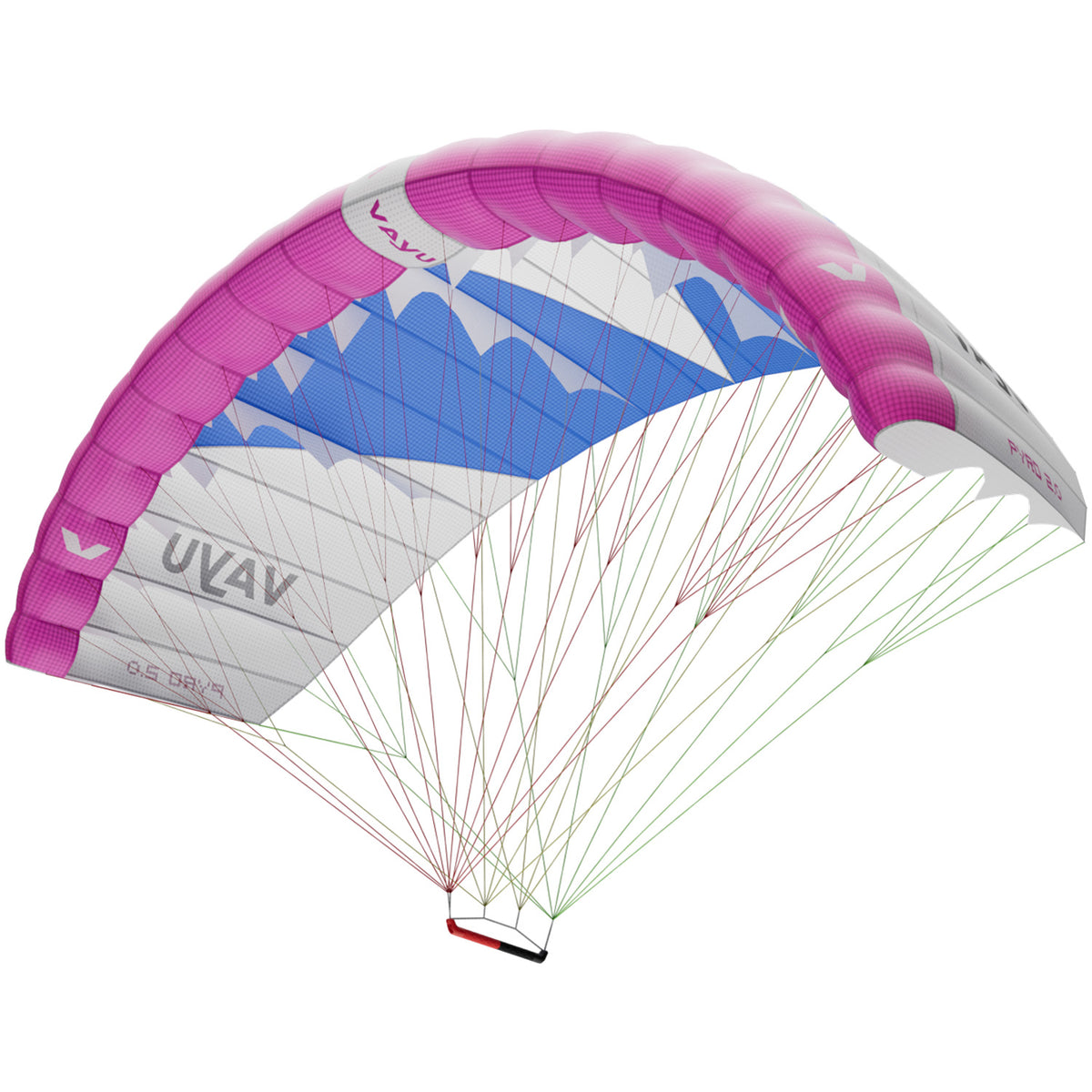
The foil kite (cell-based wing): no inflatable tube, a soft cell-based structure that inflates with the wind, exactly like a miniature paraglider. It's the most efficient kite in light wind, the best performer in glide ratio, and the queen of snowkiting, kitefoiling and land traction. On the other hand, it's more demanding to relaunch on the water, which makes it better suited to pilots who already have a solid base.
To keep it simple: you often learn kitesurfing on a LEI, and you discover the foil kite when you want to explore light wind or performance.
The Ozone angle: the foil kite, a specialty inherited from paragliding
Here I want to talk about Ozone, because it's exactly the bridge between my world, free flight, and yours, riding. Ozone is a team based in Raglan, New Zealand, with a stated philosophy: riders building kites for riders. Their R&D comes directly from their paragliding and foil kite departments. In other words, the people who design Ozone's cell-based kites are the same ones who master the structure of a paraglider.
And that changes everything. The foil kite is, technically, a direct cousin of the paraglider: same cell principle, same work on the profile, the glide ratio, the stability. When a brand knows how to make a good paraglider, it knows how to make a good foil kite. It's this heritage that built Ozone's reputation on cell-based wings. If you want to dig into the logic of their range between kites and wings, I detailed all of it in my guide on the Ozone kite and wing range philosophy.
You'll find the kites, inflatable as well as cell-based, in the kites section of the shop, with the specs kept up to date model by model.
Progression: where to go, and in what order
I see too many beginners wanting to rush. The good news is that kite progression is well marked out and logical. Respect the order, and you'll progress faster, paradoxically.
- Ground handling: feeling the wind window, the zenith, the edges. You learn to meter the power with a small training kite.
- Body drag: being towed through the water without a board, to absorb piloting in real conditions and learn to recover your board.
- Water start: the famous first time you come out of the water onto the board. The click.
- Upwind riding: the real marker of autonomy. As long as you can't ride upwind, you depend on someone to bring you back.
- First turns, first transitions, and only later, the jump.
My old-hand advice: don't buy your gear on day one. Do your course, feel which family of wing and which program speaks to you, then we'll talk it over. If you don't yet have the level for a given wing, I'll tell you straight, just as I do in paragliding.
Kite, wing, parawing: don't mix them up
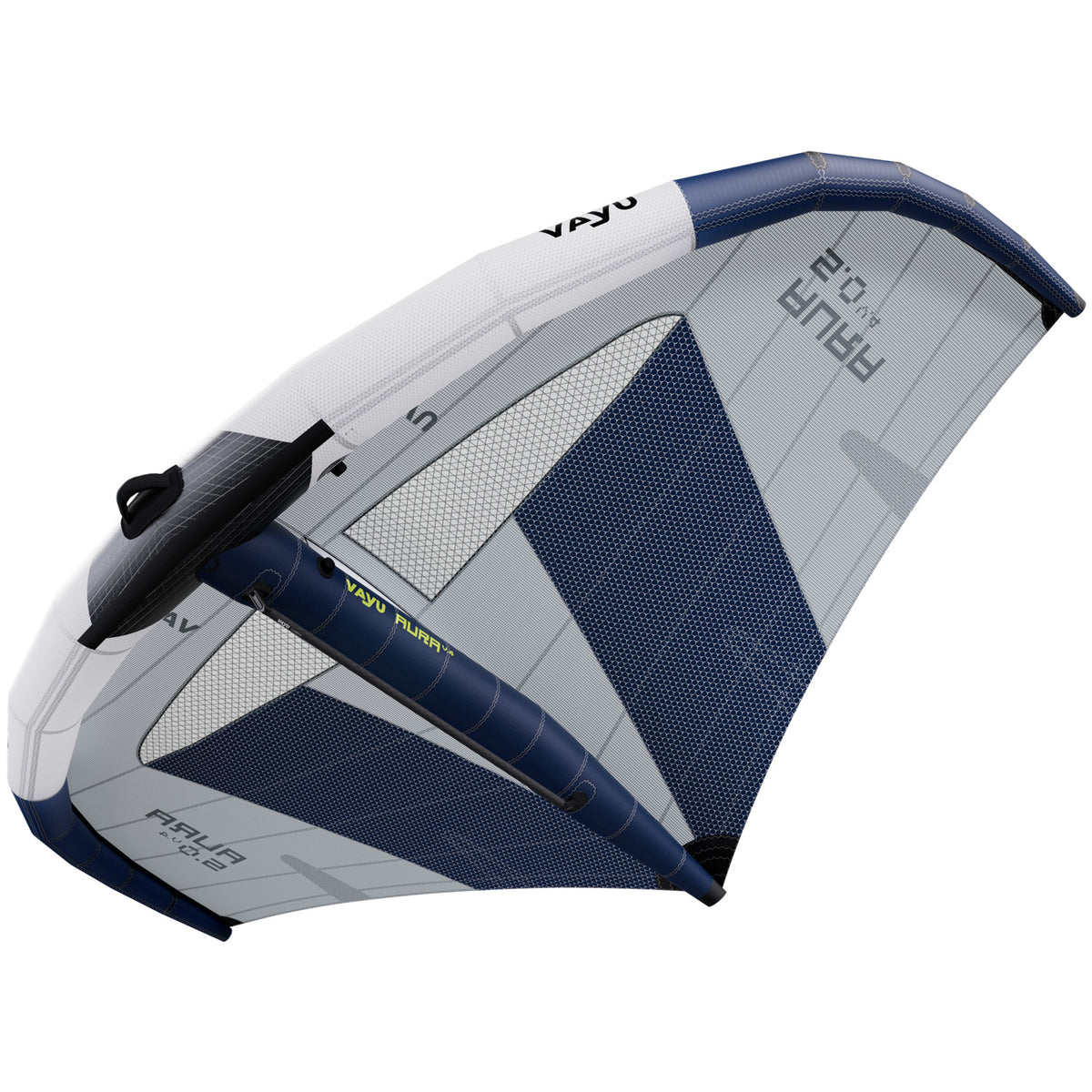
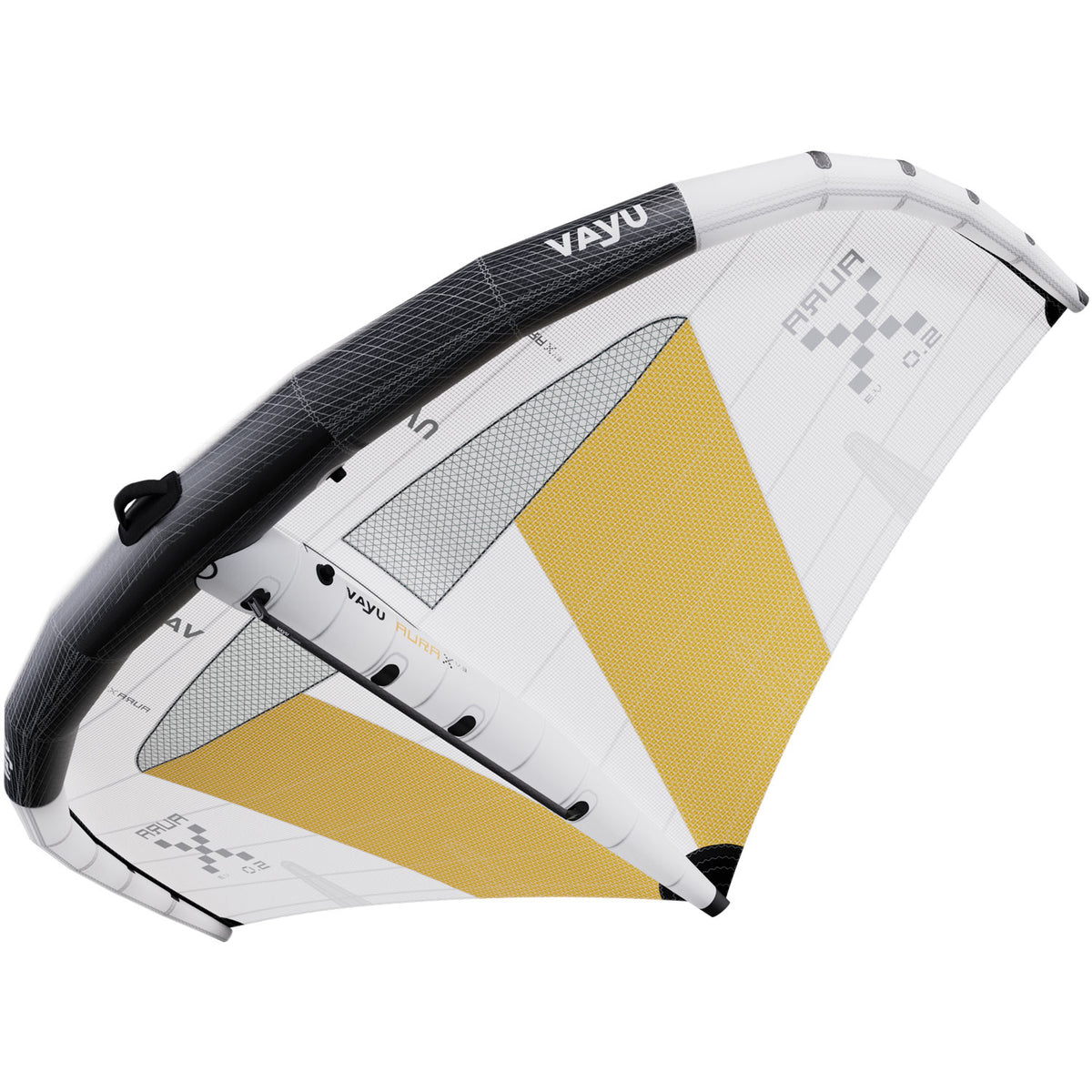
People often ask me the difference between kitesurfing, wingfoiling and parawing. Quickly: in kiting, the wing is connected to you by lines and a harness, and you steer with a bar. In wing, you hold an inflatable wing directly in your hands, with no lines. The parawing is a soft wing with no inflatable tube that you also hold by hand, halfway between the two. If the subject interests you, take a look at my comparison wing vs kite vs parawing, and explore the wings and foils sections if you're eyeing the foil.
Our Rid'Air recommendation
To start kitesurfing, the order of priorities is crystal clear: a course at a certified school first, gear suited to your level next, and a safety discipline that never lets up. The gear follows the pilot, never the other way around. At Rid'Air, we're pilots before we're sellers: we'll point you towards the wing that genuinely matches your program and your stretch of water, without selling you anything you don't need. And yes, we stay among the cheapest on the market, but that only means something if the gear is the right one for you.
Want to start kiting on a solid footing? Browse the kites section to see the available wings, or contact us for personalized advice: we'll take the time to pin down your level, your spot and your goals before talking gear.
Frequently asked questions
Can you learn kitesurfing on your own?
No, kitesurfing is not something you learn alone. The energy of a traction wing can lift and throw an adult. A school teaches you to read the wind, manage the wind window and trigger your safety systems by reflex. It's the only way to start without danger.
Which kite should you choose to start kitesurfing: LEI or foil kite?
To start kitesurfing on the water, you generally begin with an inflatable kite (LEI), because it floats, relaunches easily after a crash and forgives piloting mistakes. The foil kite, which is more demanding to relaunch on the water, comes later, especially for light wind and performance.
What is a foil kite and why is Ozone known for it?
A foil kite is a cell-based wing with no inflatable tube, which inflates with the wind like a miniature paraglider. Ozone, based in Raglan, New Zealand, excels at this type of wing because its R&D comes from its paragliding and foil kite departments: knowing how to make a paraglider means knowing how to make a good foil kite.
In what order does kitesurfing progression unfold?
You start with ground handling of the kite, then body dragging (being towed without a board), the water start on the board, and finally upwind riding, which marks autonomy. Turns, transitions and jumps come afterwards. Respecting this order makes you progress faster and more safely.
What is the most important safety rule in kitesurfing?
Never ride in offshore wind when you're a beginner, because it pushes you out to sea. On top of that, know the wind's strength and direction before you rig, and know how to release your kite via the safety system on the chicken loop. Safety never lets up.
Should you buy your kite gear before taking lessons?
No, it's better to do your course first. You'll then know which family of wing and which program suit you. The gear must follow the pilot and their level, never the other way around. At Rid'Air, we point you towards the wing suited to your level and your stretch of water before any purchase.
Fly safe,
Cyrille MARCK and the Rid'Air/CEM team