On the water today, you've got three big families of gear to get towed along by the wind: the wing, the kite and the newcomer, the parawing. Three different objects, three control logics, three feelings. The question comes up constantly at the workshop: "Cyrille, where do I start?" There's no single answer, but there is a clear one depending on your profile. Let's sort it all out.
Clear definitions: wing, kite, parawing
Before comparing, let's lay the groundwork properly, because the vocabulary often does the sorting on its own.
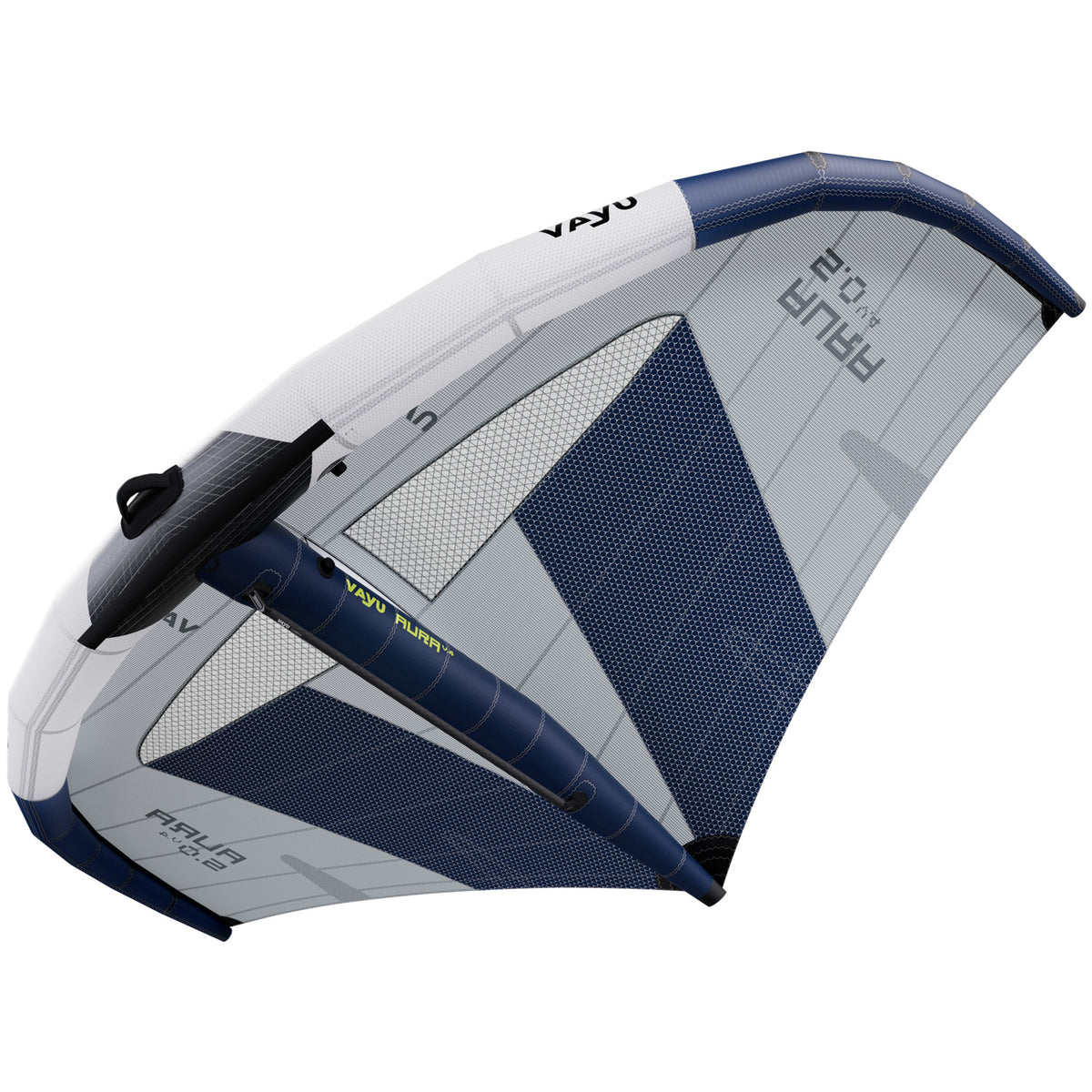
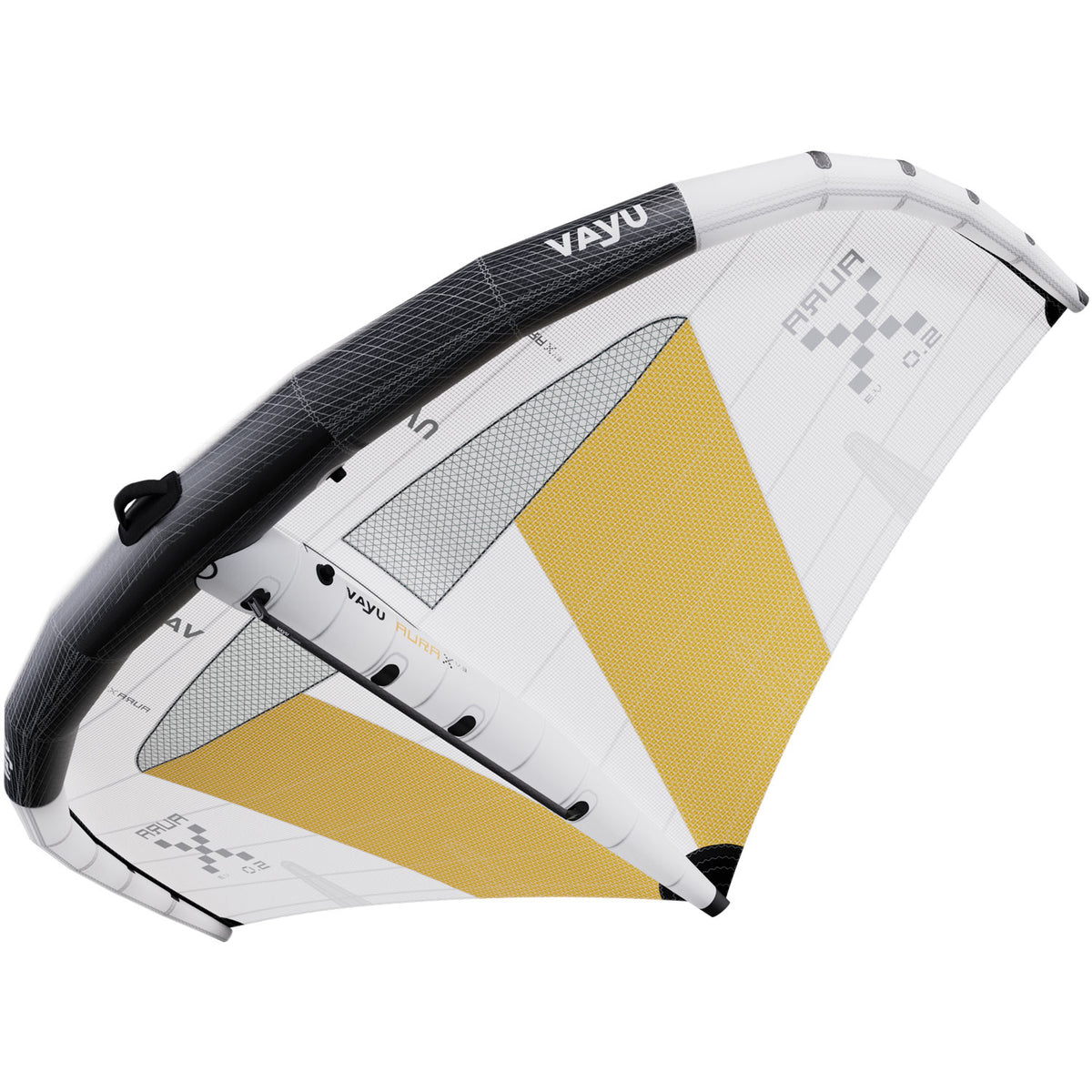
- The wing (wing handheld sail): an inflatable wing you hold in your hands by a boom or handles. You're not attached to anything else — no lines, no mandatory harness. You steer it freely and manage the power yourself. It's the gear of wingfoiling.
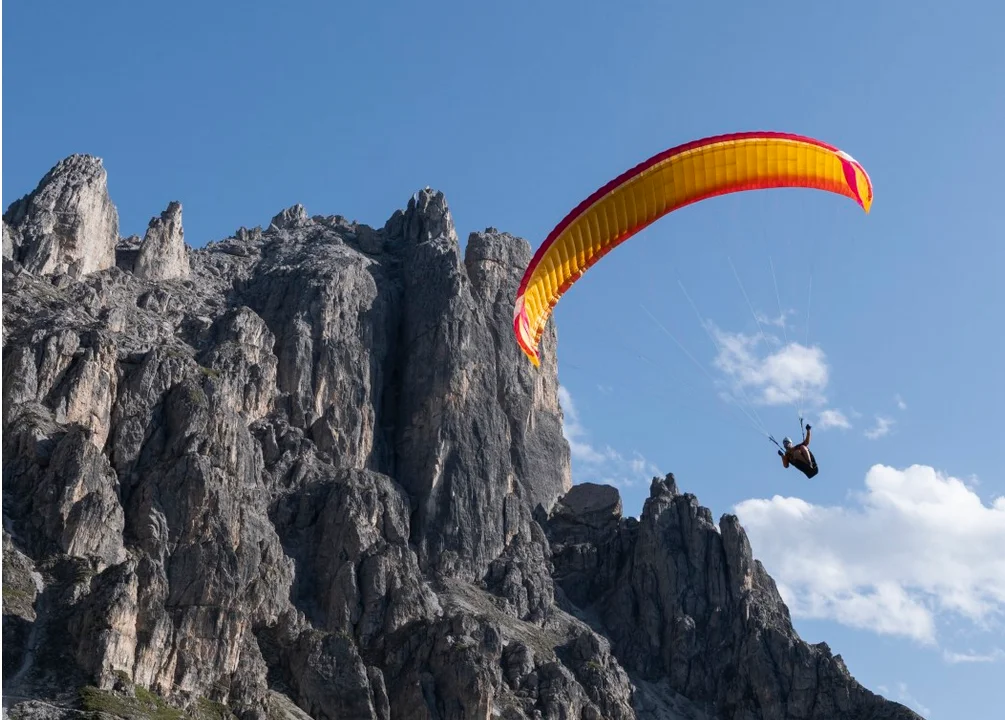
- The kite: a much bigger wing, flown from a distance by lines (often around twenty metres) connected to a bar, with you hooked in via a harness. The kite flies high in the sky and delivers powerful pull. It's the gear of kitesurfing and kitefoiling.
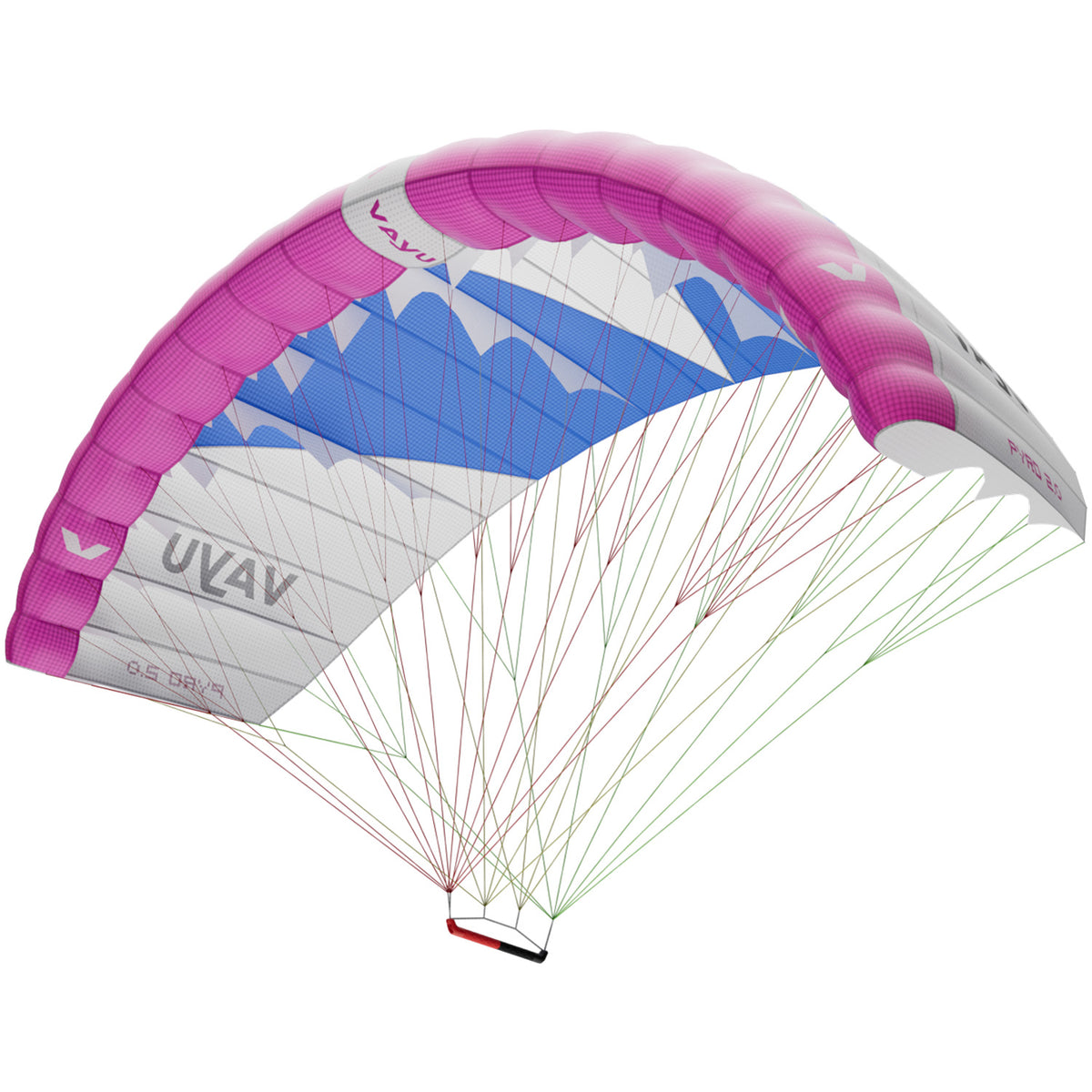
- The parawing: the new arrival. A soft sail, with no inflatable bladder, held in the hands by one or several short lines, that packs down into a pocket. Halfway between the wing and the mini-kite, designed for downwind and foiling in light wind. I go into detail in the guide Parawing, the new wave.
Learning curve: which one forgives the most?
Let's be honest: none of these sports is learned in an afternoon. But the degree of difficulty isn't the same.
The wing is now considered the gentlest gateway to the foil. No lines to untangle, no risk of getting yanked — you let go of the wing and everything stops. You learn to handle the wing on the beach, then progress onto the foil step by step. It's reassuring, and that explains its explosion. If you're starting from zero, take a look at my guide Getting started in wingfoil.
The kite demands real training in remote control: the wind window, the power zone, the water relaunch, safety (release, depowering the bar). It's more technical at first and is ideally learned with supervision. The reward: huge glide and jumping potential once the movement is dialled in. For the basics on gear and safety, see Getting started in kitesurf.
The parawing is recent, so less documented, but the principle of hand-launching and packing it back into a pocket is appealing. It's aimed more at someone who already knows how to foil — it's a light-wind specialist's tool, not a first piece of gear.
Pull, power and jumping
Here, the three pieces of gear clearly part ways.
The kite is the king of power. Flying high and connected by long lines, it pulls you hard and sends you into the air: jumping, loops, big air — that's its turf. If your dream is to take off high above the water, the kite has no rival.
The wing plays a different tune: the pull is more moderate and, above all, entirely in your hands. You don't jump like in kiting (even if wingfoil is progressing on the air side), but you glide, you go upwind, you string together tacks with a freedom of movement the kite doesn't have. It's a feeling of pure glide, very connected to the wave.
The parawing bets on lightness and efficiency in weak wind. Its pull mainly serves to launch the foil; once the board is up and planing, the idea is often to stow the sail and surf the swell (downwind). It's not a raw-power piece of gear.
Bulk and logistics
A question people underestimate, and one that often tips the scales in real life.
- Wing: compact once deflated, but you need a pump and the wingfoil board is still a volume to transport. Quick setup on the beach.
- Kite: the most cumbersome to handle — wing, bar, lines, harness, board or foil. Inflating and untangling the lines takes a bit of time, and you need ground space to launch and land.
- Parawing: the compactness champion. No bladder to inflate, it folds into a small pocket you can even take on a hike or stash on yourself while riding. That's one of its big arguments.
Which spot, which body of water, which wind?
The terrain matters as much as the desire.
The kite likes space: a large, open body of water with no obstacles downwind, because with twenty metres of lines you need room. A windy spot, side-shore preferably. On a small, crowded body of water, it's less comfortable.
The wing is more tolerant on tight or technical spots: no lines, so you can ride closer to the shore, in the waves, on narrower waters. It's the go-anywhere gear. For wind and wing size, see how to choose your wing size based on all-up weight and wind.
The parawing shines when the wind drops: downwind, swell to surf, conditions where the classic wing runs out of juice. It's the weapon of light wind and exploration.
Comparison table (qualitative)
- Ease of starting out: wing the most accessible > kite more technical > parawing for the initiated.
- Power / jumping: kite very high > wing moderate > parawing low (glide-oriented).
- Bulk: parawing minimal > wing medium > kite the most voluminous.
- Water area required: kite needs space > wing versatile > parawing very flexible.
- Light wind: parawing excellent > wing decent > kite hungry for surface area.
- Freedom of movement: wing and parawing in the hands > kite tied by the lines.
This table is deliberately qualitative: for the precise characteristics of each model (surface areas, ranges), find the up-to-date listings in the shop.
Our Rid'Air recommendation
My old-hand advice, after a fair few hours under all these wings: choose according to what gets you excited, not according to the trend.
Want the most accessible glide, to ride anywhere, to feel the wave under the board? The wing. It's the ideal way into the foil and it's what takes off the most with us. On the wing side, we particularly like the Vayu ranges (the Germans from Kiel know their stuff) and the work of Ozone, whose R&D comes from paragliding and foil kiting — serious gear. For the carbon board that goes underneath, Appletree is a reference (workshop in Portugal, Dutch roots since 2006).
Dreaming of jumping high, with a big windy spot? The kite — Ozone designs its kites as "riders building kites for riders," and you can feel it. Already a foiler and chasing light wind and downwind? The parawing, no hesitation, like Vayu's Pyro or Ozone's Pocket Rocket.
And if you're still unsure, look at what these pieces of gear say to each other in my dedicated comparison and above all: come talk to us. We never push a needless purchase — if a piece of gear doesn't suit your spot, we'll tell you.
Want to compare the models for real? Take a stroll through our wings & kites, wings and kites sections, or contact us for personalised advice — we're pilots before we're salespeople, and we love talking gear.
Frequently asked questions
What's the difference between a wing, a kite and a parawing?
The wing is an inflatable wing held in the hands, with no lines or harness, used in wingfoiling. The kite is a large wing flown from a distance by lines and a bar, with a harness, for kitesurfing and jumping. The parawing is a compact soft sail, with no bladder, held in the hands by short lines, designed for foiling and downwind in light wind.
Which gear should you choose to get started on the water?
For most beginners, the wing is the most accessible gateway: no lines to untangle, you let go of the wing and everything stops. The kite is more technical at first and is ideally learned with supervision. The parawing is aimed more at riders who already know how to foil.
What's the best gear for jumping high?
The kite is unrivalled for jumping and big air. Flying high and connected by long lines, it delivers powerful pull that sends the rider into the air. The wing favours glide and freedom of movement, and the parawing is geared towards light wind rather than power.
Which gear works best in weak wind?
The parawing is particularly effective in light wind and downwind: it serves to launch the foil before surfing the swell. The wing stays decent in weak wind with a large surface area, while the kite needs large wings to compensate.
Which gear is the easiest to transport?
The parawing is the most compact: it folds into a small pocket with no bladder to inflate. The wing is compact once deflated but requires a pump. The kite is the most cumbersome with its wing, bar, lines and harness.
Which wing, kite and parawing brands can you find at Rid'Air?
At Rid'Air, we carry Ozone (kites, wings and parawing such as the Pocket Rocket), Vayu (wings and the Pyro parawing, a German brand from Kiel) and Appletree for carbon boards. Up-to-date characteristics are available on the listings in the shop.
Fly safe,
Cyrille MARCK and the Rid'Air/CEM team