When you first step into the world of wingfoil or kite, you quickly hit a wall of vocabulary: aspect ratio, cleat, pumping, stall, LEI, foil kite, breeze… No worries. Here is a complete glossary to decode every key term of the jargon, with short, crisp definitions that are easy to remember. It's the perfect thing to keep on hand before tackling a more technical guide or browsing the wings & kites section.
I'm Cyrille MARCK, an instructor since 2007 and 2008 French aerobatics champion. At the school, at the CEM, we spend a good chunk of our time translating this jargon for newcomers. So here's the decoder, sorted into broad families to keep it digestible.
The wings: what pulls you along
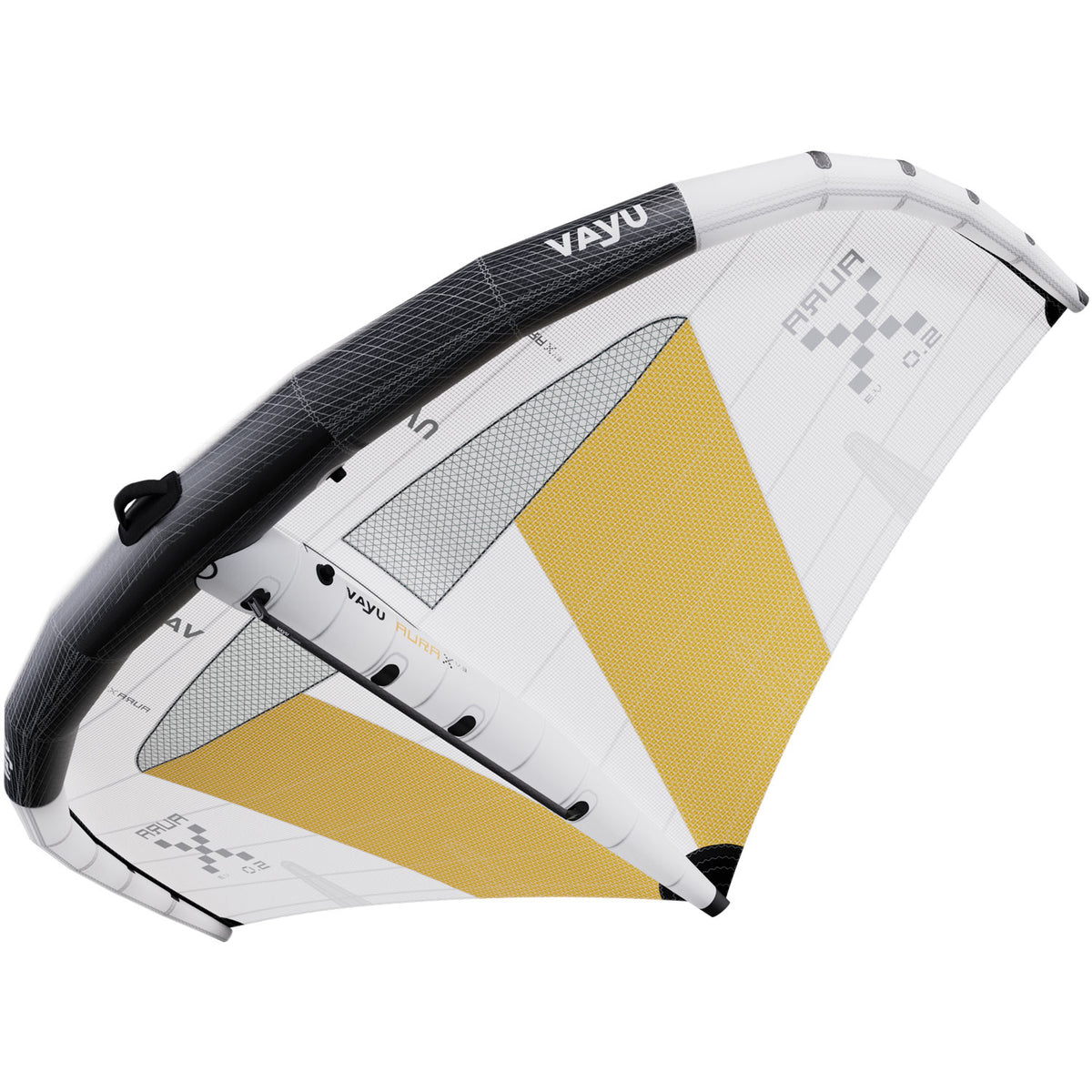
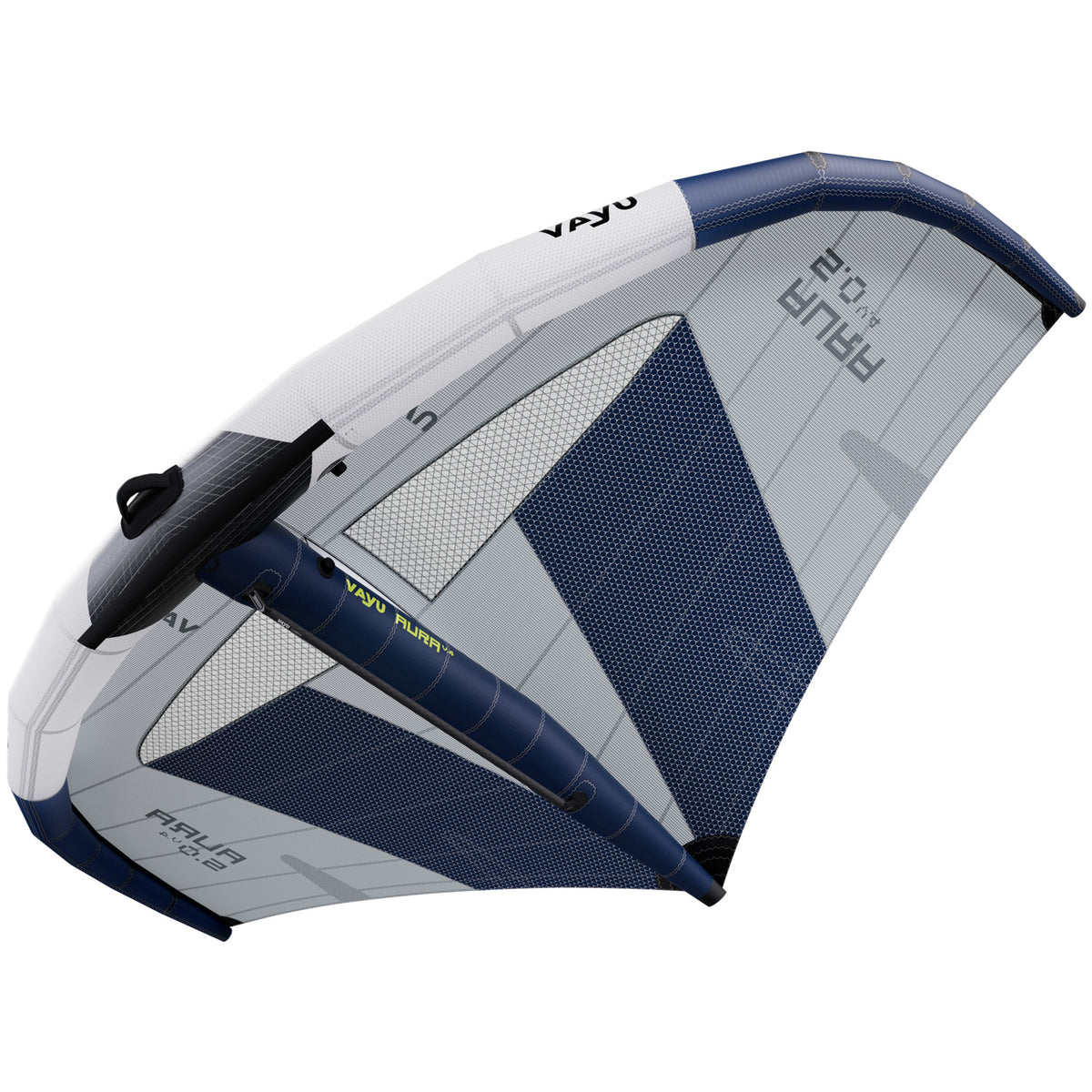
- Wing (wing sail): an inflatable wing held in the hands, with no lines or bar. It's the engine of wingfoiling. You steer it directly with your arms to catch the wind. Brands available with us: Ozone and Vayu.
- Kite (traction kite): a wing connected to the rider by lines and a control bar. It flies high in the sky and tows the rider. It's the foundation of kitesurfing and kitefoiling.
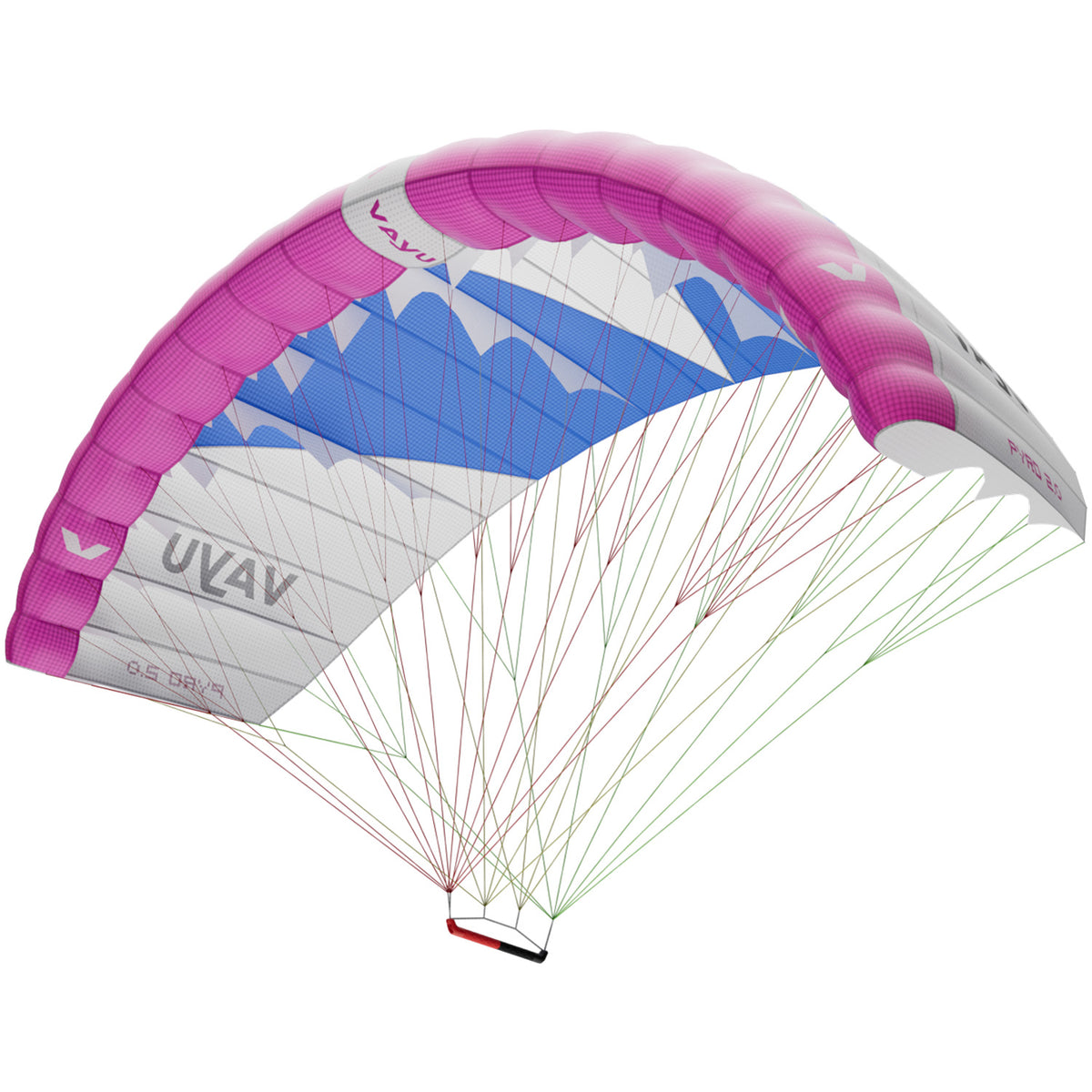
- Parawing: a soft, ultra-compact wing, halfway between the wing and the mini-paraglider. It packs into a backpack and deploys via short lines. The new wave of lightweight riding (e.g. Pocket Rocket from Ozone, Pyro from Vayu). Dig deeper in our parawing guide.
- LEI (Leading Edge Inflatable): a kite with an inflatable leading edge. The front bladder and the struts inflate with a pump, which gives the wing its rigidity and lets it float on the water. It's the standard of modern kitesurfing.
- Foil kite: a kite with no inflatable bladder, built with cells like a paraglider. Light and strong in light wind, but more technical to relaunch if it drops onto the water.
- Leading edge: the front edge of the wing, the one that "attacks" the wind. On a wing or an LEI kite, it's the big inflatable bladder.
The foil: what lifts you off the water
- Foil (hydrofoil): the submerged wing that generates lift and raises the board above the water. Its magic: past a certain speed, the board "takes off" and glides without friction. It's all explained in the foil explained. See the foils in the shop.
- Mast: the vertical part of the foil that connects the board to the submerged wing. A short mast is more forgiving for beginners, a long mast offers more margin and upwind ability as you progress.
- Fuselage: the horizontal bar that connects the front wing to the rear stabilizer. Its length influences the stability and the handling of the foil.
- Front wing: the main wing of the foil, the one that carries the load. A large surface = more lift at low speed, ideal for starting out or flying in light wind.
- Stabilizer (stab): the small rear wing that balances the whole setup, a bit like the tail of an aircraft.
- Aspect ratio: the ratio between the span and the chord of a wing (foil or wing sail). A high aspect ratio = a thin, long wing, slippery and fast but more demanding. A low aspect ratio = a stubby wing, stable and forgiving, perfect for learning.
The board: your platform
- Volume (litres): the board's buoyancy, expressed in litres. The higher the volume, the more the board floats and forgives at the start. Simple rule: a beginner picks a volume well above their body weight so they don't sink at a standstill. It's the number-one criterion for choosing well, detailed in our board guide.
- Prone: a foiling style where you paddle lying down on the board, as in surfing, to catch a wave and take off on the foil. A demanding, exhilarating discipline.
- Downwind: foiling in the direction of the wind and the swell, on long narrow boards, pumping to stay airborne from one bump to the next. A specialty of brands like Appletree, experts in carbon boards. See the boards in the shop.
- Carbon: the high-end build material of boards and foils. Light and stiff, it transmits your input better and makes pumping easier.
The riding: the moves and the sensations
- Pumping: a vertical movement of the body and legs to generate lift and take off or keep the foil up with no wind or wave. The founding move of modern foiling.
- Wing pump: we also talk about "pumping the wing" when you flap the wing back and forth to create traction and get the board up onto the plane.
- Lift: the vertical force generated by the foil or the wing, the one that raises you up. More speed = more lift.
- Stall: a sudden loss of lift when the angle of the wing becomes too steep or the speed too low. The foil drops all at once. Knowing your stall point means learning to meter your input.
- Touch-and-go: a technique where the board grazes the water then takes off again without stopping, with a burst of pumping. A sign you're starting to master it.
- Cleat (wing cleat): a handle or attachment point on the wing's boom, used to hold and steer the wing.
- Wishbone / boom: the rigid central bar of some wings, which lets you place your hands freely. An alternative to soft handles.
- Bar (kite bar): the kite's control. You pull on one side to turn, you sheet in/out to manage the power.
The wind and the conditions
- Breeze (light wind): light-wind conditions. In wingfoiling, "light wind" gear (a large wing, a big foil) lets you fly when others stay on shore. A real asset with us, explained in the wing size guide.
- Planing: the moment when the board starts to glide on the water, just before take-off on the foil.
- Total weight / weight range: your total loaded weight determines the wing size suited to a given wind. It's the weight/wind pairing that guides the choice of surface.
- Upwind ability: the capacity to make progress against the wind rather than drifting. A long mast and a good foil improve upwind ability.
There's your pocket dictionary. Keep it open while you read our other guides, and everything will become clear. To go further, I recommend our wing vs kite vs parawing comparison and, if you're a beginner, the complete guide to getting started in wingfoil.
Still stuck on a piece of jargon, or hesitating over the gear suited to your level and your spot? Take a look at the wings & kites section, browse the shop, or get in touch: we talk free flight all day long, and we're among the cheapest on the market. You don't need to understand everything to get going, we're here to translate and point you in the right direction.
Frequently asked questions
What is the difference between a wing, a kite and a parawing?
A wing is an inflatable wing held in the hands, with no lines. A kite is a wing connected to the rider by lines and a bar, which flies high in the sky. A parawing is a soft, ultra-compact wing, halfway between the two, that packs into a backpack.
What does the volume in litres of a wingfoil board mean?
The volume in litres expresses the board's buoyancy. The higher it is, the more the board floats and forgives at the start. A beginner always picks a volume well above their body weight so they don't sink at a standstill.
What is pumping in wingfoil?
Pumping is a vertical movement of the body and legs that generates lift to take off or keep the foil up with no wind or wave. It's the founding move of modern foiling, and it's also what lets you link waves together in downwind.
What is a foil kite compared to an LEI kite?
An LEI kite has an inflatable leading edge that gives it its rigidity and makes it float on the water: it's the standard of kitesurfing. A foil kite is built with cells like a paraglider, lighter and stronger in light wind, but more technical to relaunch.
What does aspect ratio mean for a foil wing or a wing sail?
The aspect ratio is the ratio between the span and the chord of the wing. A high aspect ratio gives a thin, fast, slippery wing but a more demanding one. A low aspect ratio gives a stubby wing, stable and forgiving, ideal for learning.
What is a stall in wingfoil?
The stall is a sudden loss of lift when the angle of the wing becomes too steep or the speed too low. The foil then drops all at once. Learning to feel your stall point is part of progressing on the foil.
Fly safe,
Cyrille MARCK and the Rid'Air/CEM team