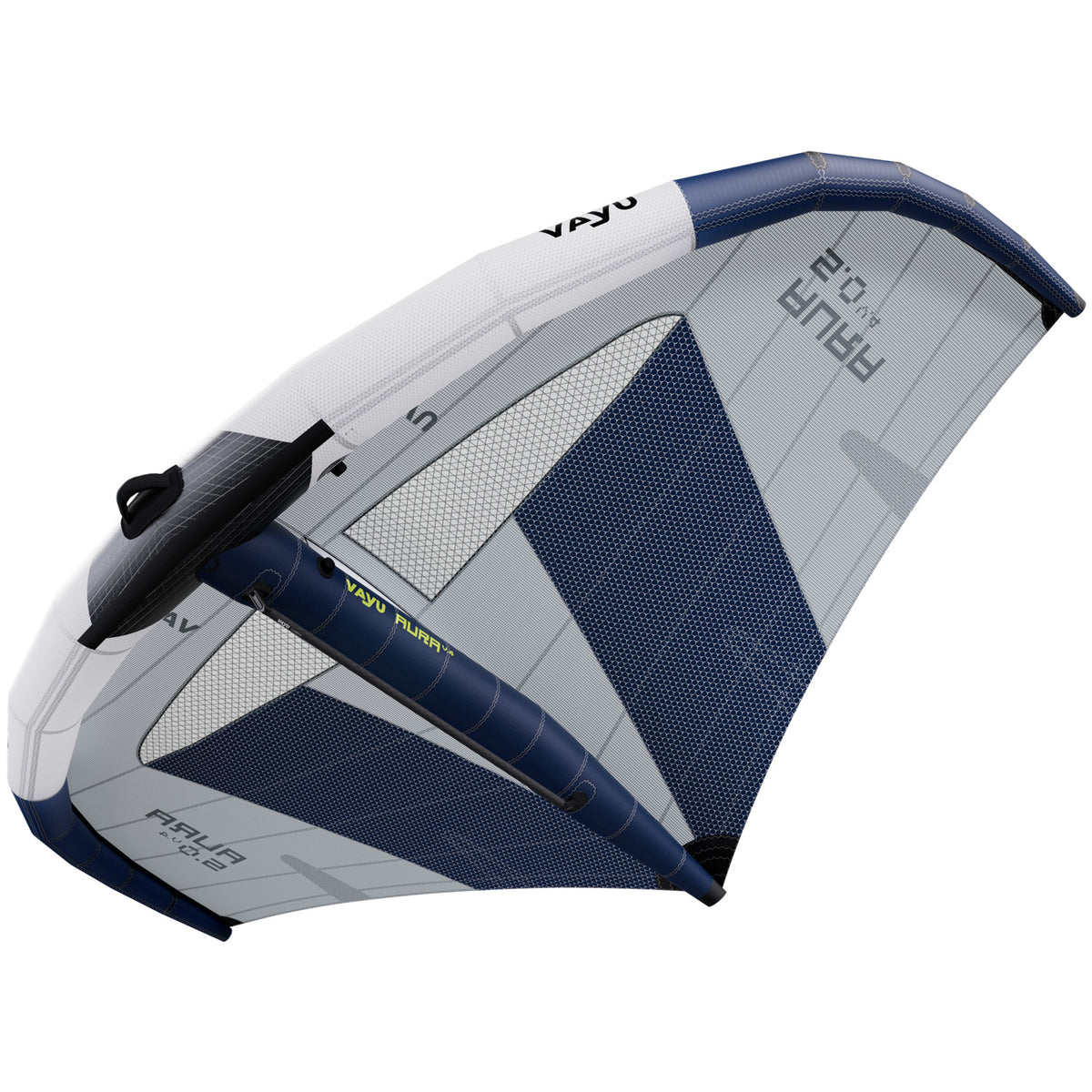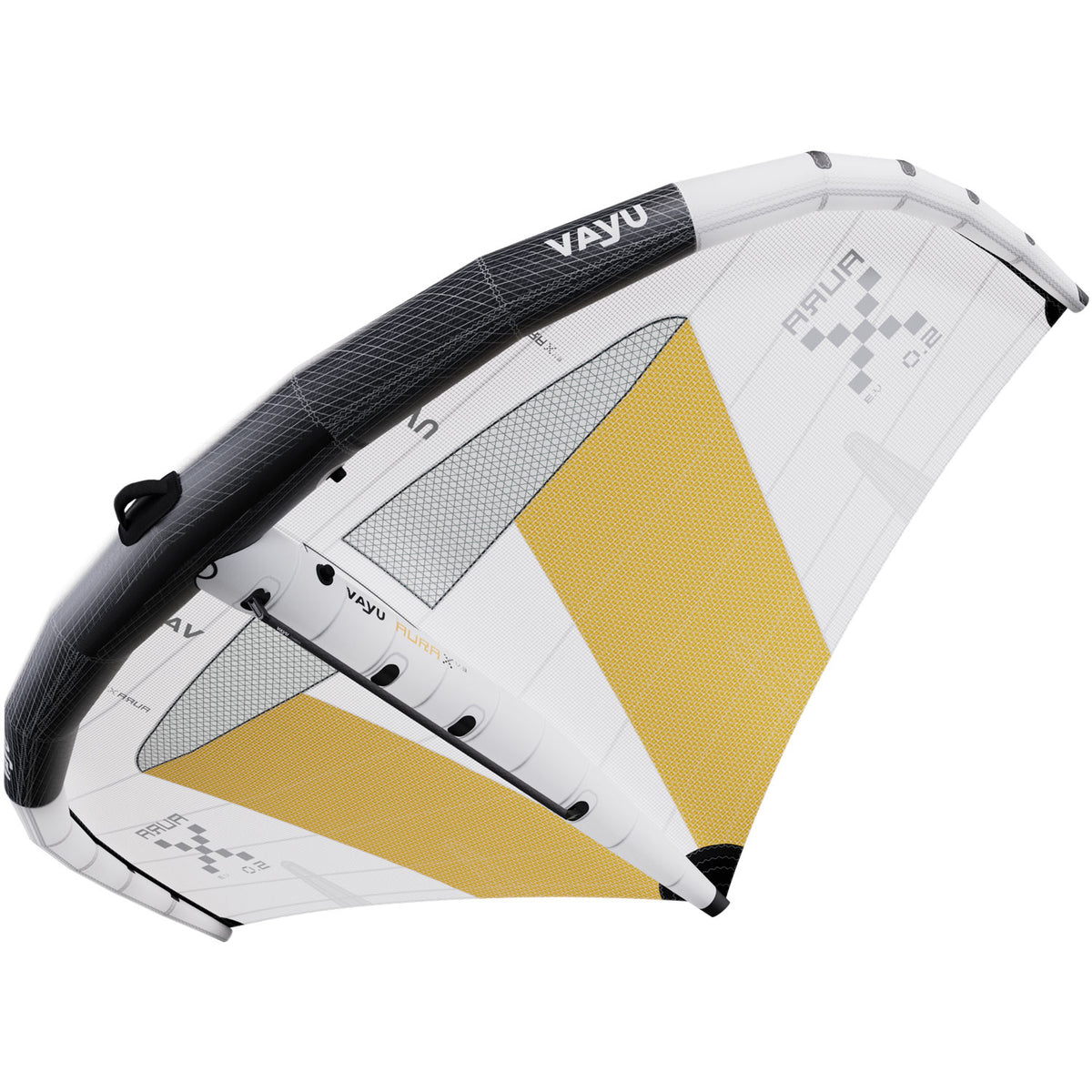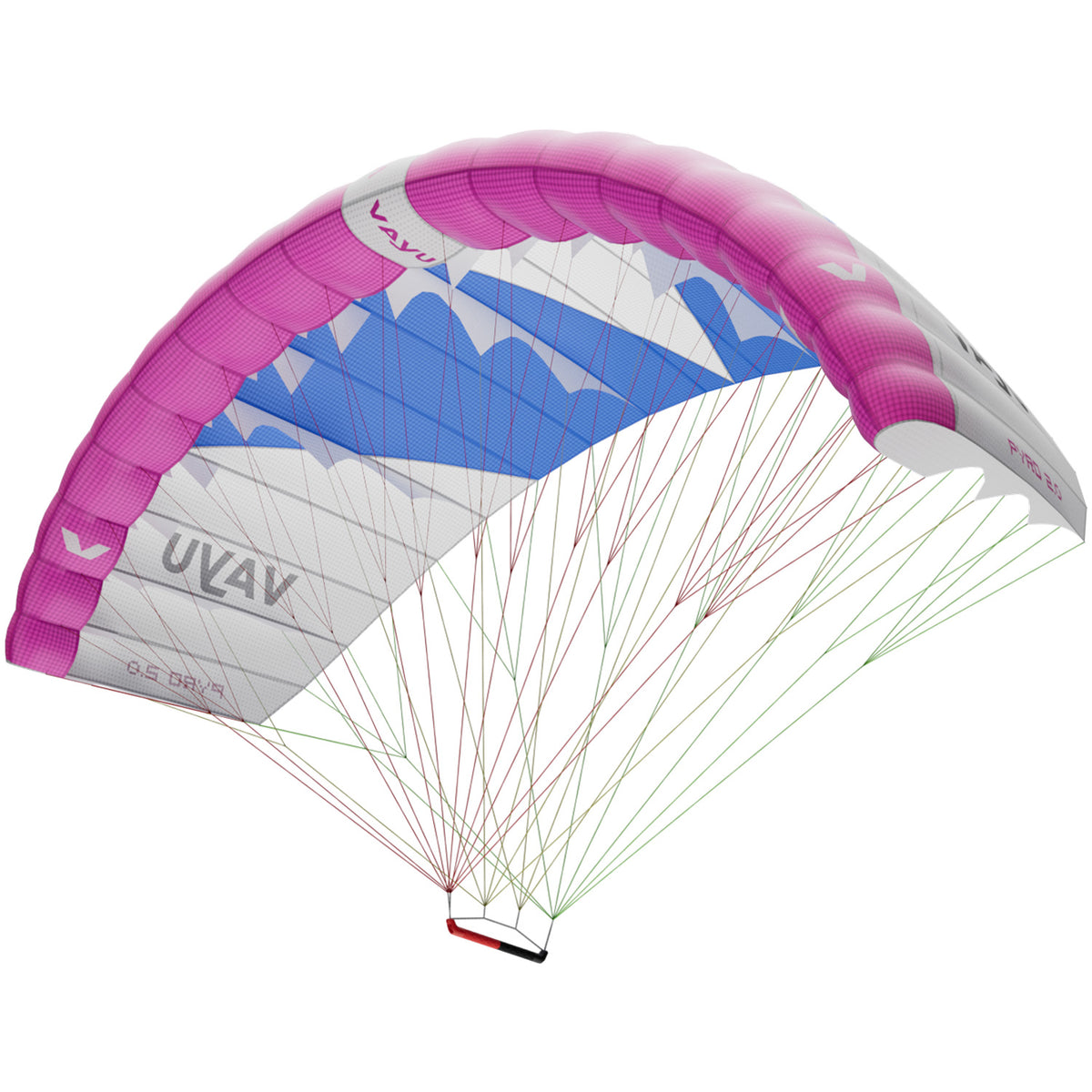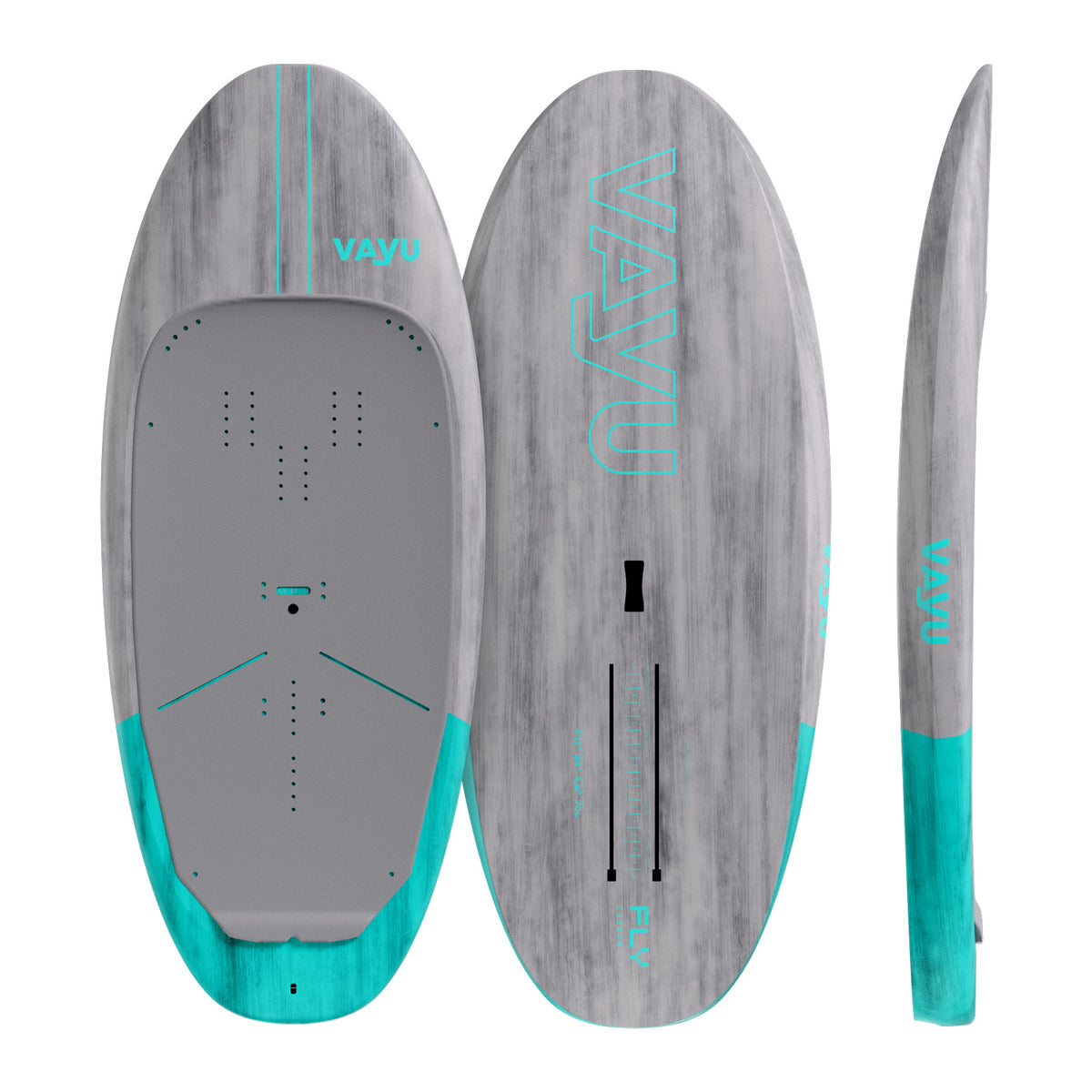
It's the question that comes up most often at the workshop: "Cyrille, which board should I get to start out in wing?" And right behind it: "Is carbon really worth it?". Good news, choosing a wingfoil board is no big deal once you've understood the three dials that really matter: volume, length and construction. Let me untangle all that for you, in the manner of an old hand who has already made plenty of mistakes so you don't have to.
What exactly is a wingfoil board?
A wingfoil board is a float under which you screw a foil (the mast and the submerged wings). At the start, you're flat on the water and the board carries you through its buoyancy. Then speed builds, the foil takes over, and the board lifts off the surface: you're flying. The whole point of a good board, then, is to be easy to get moving at the start, and then discreet and stable once airborne.
In practice, a wingfoil board is chosen first by its volume (expressed in litres), like a SUP or a surfboard. That's criterion number one, ahead of length and construction. Remember that order, it will save you a lot of second-guessing.
Volume in litres: the criterion that comes first
Volume is buoyancy. The more litres a board has, the more easily it carries you at a standstill, and the more it forgives your wobbles at the start. For a beginner, that's gold: a board that floats well underfoot means fewer swims, more time on your feet, and far faster progress.
The teaching logic is simple: you work it out based on your body weight. The heavier you are, the more volume you need for the same comfort. And the more of a beginner you are, the more margin you add above your weight. A pilot just starting out has every reason to pick a board that is generous on volume: it's those first sessions that decide whether you get hooked or wear yourself out.
- Beginner: go big, comfortable volume well above your body weight. Stability comes before everything else.
- Intermediate: you start to trim it down to gain manoeuvrability and feel, while keeping a safety margin at the start.
- Advanced: you move down towards boards with volume close to, or even below, your weight, for water-start launches and clean flying.
I'm deliberately giving you no fixed figure per model: the ideal volume depends on your weight, your level, your stretch of water and even the local wind. For the exact litre ratings of each board, check the up-to-date specs in the shop or give us a call, we'll sort it out together.
Length: manoeuvrability versus ease of glide
Length mainly affects two things: how easily you build up speed before take-off, and manoeuvrability once you're in the air. A longer board glides better on the water, accelerates earlier and feels reassuring when pumping: ideal when you're learning or when the wind is light. A shorter board, on the other hand, tucks quickly into the wind once on the foil, turns tight and handles underfoot: that's the playground of pilots who carve and jibe.
The general trend in wingfoiling is towards ever more compact boards, because once you're flying, the board no longer touches the water and its length serves no purpose — it even becomes dead weight and a sail to the wind. But watch out for the beginner trap: too short too soon, and you'll struggle to take off. My field advice: never sacrifice volume and ease of launch to gain a few centimetres. Length is something you shorten with experience, not before.
Carbon: why it changes everything (and when)
Now to the heart of the matter. In a wingfoil board, carbon brings three concrete benefits: lightness, stiffness and transmission.
- Lightness: a carbon board is noticeably lighter. When pumping to take off, when relaunching, and simply when carrying your gear down to the water, you feel it straight away.
- Stiffness: carbon doesn't "flex". The deck stays firm under your feet, which means all your energy goes into the foil instead of being lost in a board that twists.
- Transmission: a direct consequence of stiffness, your inputs through the feet reach the foil crisp and instant. The board becomes an extension of your legs, and your control gains precision.
Is it essential to start out? Honestly, no: you can learn on a more affordable, more impact-resistant construction, and that's just fine for knocking it about without stress during the learning phase. But as soon as you start pumping to take off in light wind, stringing together transitions and chasing clean sensations, carbon makes a real difference. It's typically the natural progression: you learn on something sturdy, then move to carbon when you want to perform.
Appletree: the carbon board as a speciality
If you're after pure carbon, Appletree is a name worth knowing. This Dutch brand was founded in 2006 by brothers Wieger and Jorrit Buurma, originally in a workshop set up on an apple farm (hence the name). Since 2021, production has been based in Portugal. Their speciality is precisely the carbon board: wingfoil, prone, downwind, kitefoil. When a brand makes nothing but boards and has been working carbon for nearly twenty years, you can feel it in the finish and the behaviour. You'll find the Appletree selection with us.
Vayu: clear families for each use
On the complete-ecosystem side — wings, foils and boards that work well together — there's Vayu, a German brand based in Kiel, on the shore of the Baltic Sea. Vayu organises its boards into legible families: the Fly range, geared towards ease and comfortable progression, and the Edge range, leaning more towards performance and pilots stepping up their level. It's a logic I like to explain to customers: you choose the philosophy first (learning at an easy pace or pushing your limits), then fit the volume and length within it. For the precise specs of each model, refer to the up-to-date listings in the shop.
Our Rid'Air recommendation
After quite a few years advising pilots of all levels, here is the method I apply. First, you set the volume according to your weight and your level: generous if you're a beginner, tighter if you're at ease. Only then do you look at length, always favouring ease of launch at the start. And finally, you settle the question of construction: carbon if you're aiming for performance and lightness, a more robust and wallet-friendly construction if you're in the thick of learning and you're going to bang it on the bottom of the lake.
If you're still hesitating, that's normal: a well-chosen board is a tailored fit between your build, your spot and your ambitions. And that's exactly where a phone call beats ten spec tables.
To go further on the foil that goes underneath, take a look at our guide the foil explained for wingfoiling. And if you're a complete beginner, start with our complete guide to getting started in wingfoiling.
Want to see our boards and talk it over? Browse our selection of wingfoil boards, or contact us for personalised advice: we'll set your volume, your length and your construction to suit your profile, without selling you litres you don't need. And as always at Rid'Air, you're among the best served on the market when it comes to price.
Frequently asked questions
How do you choose the volume of a wingfoil board?
Volume, expressed in litres, is criterion number one and is chosen according to your body weight and your level. The heavier or more of a beginner you are, the more volume you need to float and get going easily. Advanced riders move down towards volumes close to or below their weight for water-start launches.
Do you need a carbon board to start out in wingfoiling?
Not necessarily. To start out, a more affordable, impact-resistant construction does the job very well, with no stress if you knock it about. Carbon brings lightness, stiffness and transmission: it mainly makes the difference when you're pumping in light wind and chasing precise sensations, so rather from the intermediate level onwards.
Long or short board for wingfoiling?
A longer board glides better, accelerates earlier and makes take-off easier: perfect for beginners and light wind. A shorter board handles underfoot and turns tight once in flight, for advanced pilots. Advice: never sacrifice volume and ease of launch to gain a few centimetres.
What does carbon bring to a wingfoil board?
Carbon offers three benefits: lightness (easier to pump and to carry), stiffness (the deck doesn't flex underfoot) and transmission (your inputs through the feet reach the foil crisp and instant). As a result, the board becomes an extension of your legs and your control gains precision.
What's the difference between the Vayu Fly and Edge ranges?
At Vayu, the Fly range is geared towards ease and comfortable progression, ideal for learning at an easy pace, while the Edge range aims more at performance and pilots stepping up their level. You choose the philosophy first, then fit the volume and length. The precise specs are on the listings in the shop.
Why choose an Appletree board?
Appletree is a Dutch brand founded in 2006 by the Buurma brothers, now manufacturing in Portugal and specialised in the carbon board (wingfoil, prone, downwind, kitefoil). Nearly twenty years of expertise dedicated to carbon, you can feel it in the finish and the behaviour of the board.
Fly safe,
Cyrille MARCK and the Rid'Air/CEM team