Ultralight Hike & Fly: When weight dictates the choice
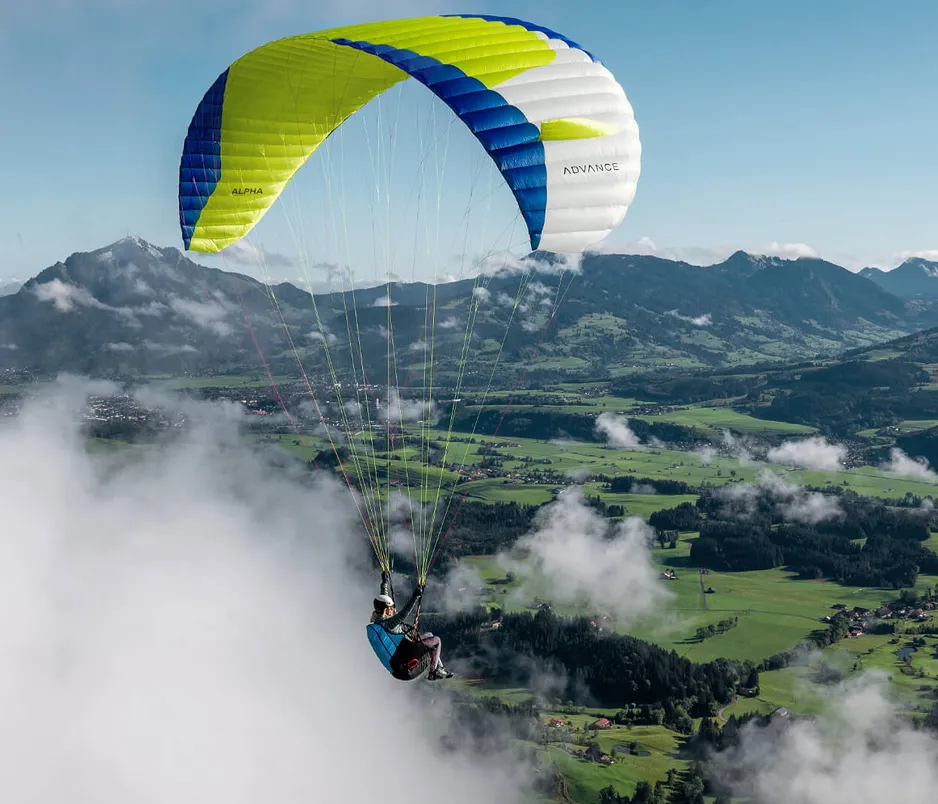
In its fourth generation, the PI retains its hike & fly DNA while making a structural leap. With a size 14 listed at just 1.65 kg including ultralight risers, the Advance Pi ULS initially impresses through its low weight. But behind this figure lies a system that requires discernment. Do not confuse transport weight with flight ease. The wing behaves differently depending on the wing loading you apply. This is where the weight-versus-utility debate shifts from spec sheet to real-world flying.
Profile and behavior shift with wing loading
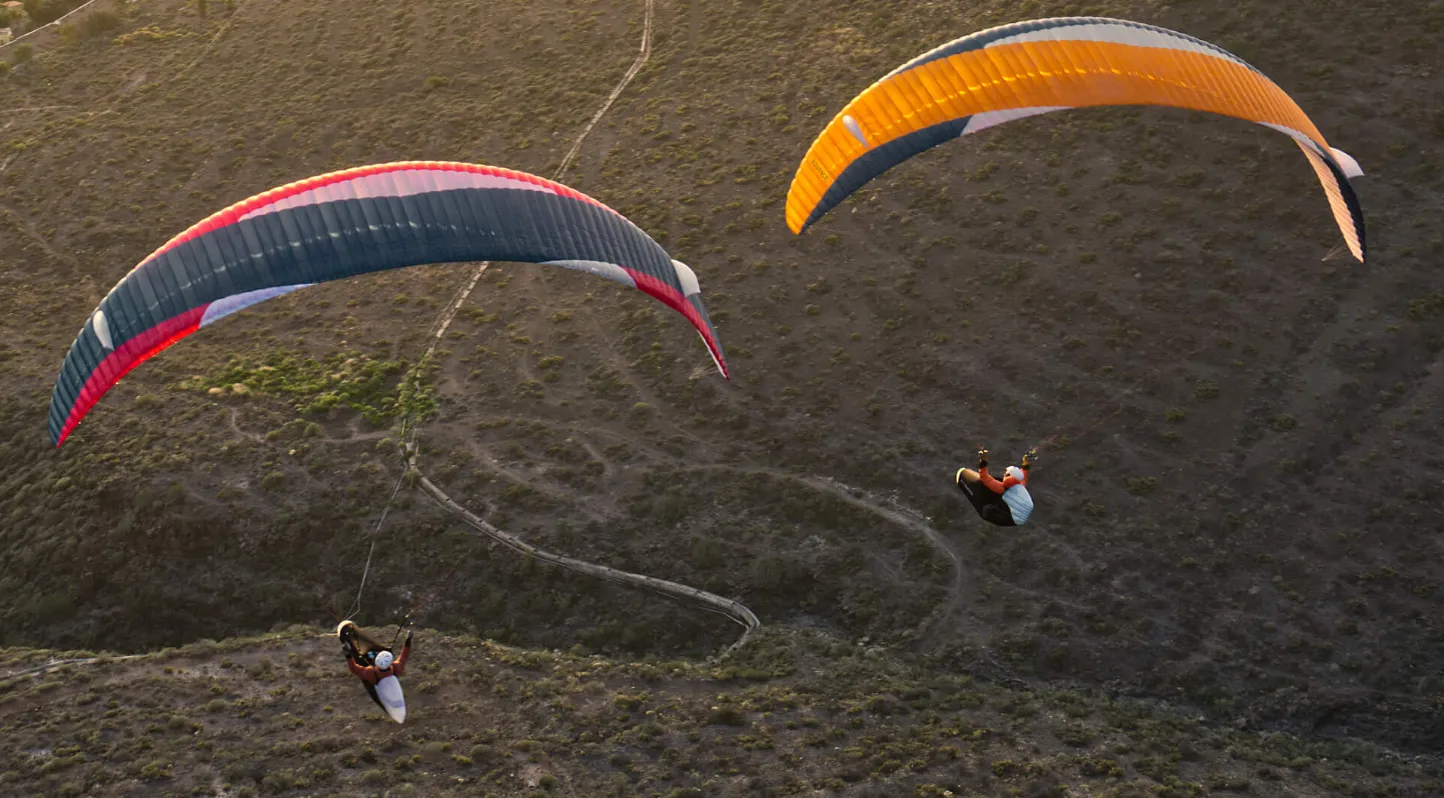
Advance clearly defines three flight envelopes based on projected load. In thermal conditions at roughly 4.5 kg/m², the wing feels very accessible (the cited size 14 is actually certified EN/LTF D). It takes off smoothly and offers reliable passive safety, suited for leisure sessions or learning. In hike & fly mode (4.5 to 5 kg/m²), the wing gains agility without becoming demanding. This is the balance point for airport-assisted hikes where you climb light and descend with drive. Above 5 kg/m², it transitions into a mini-wing setup. The handling sharpens considerably: higher responsiveness, mandatory active piloting, and near-instant recovery capability. Here, low weight does not excuse rushed inputs.
Internal structure and materials: where the build matters
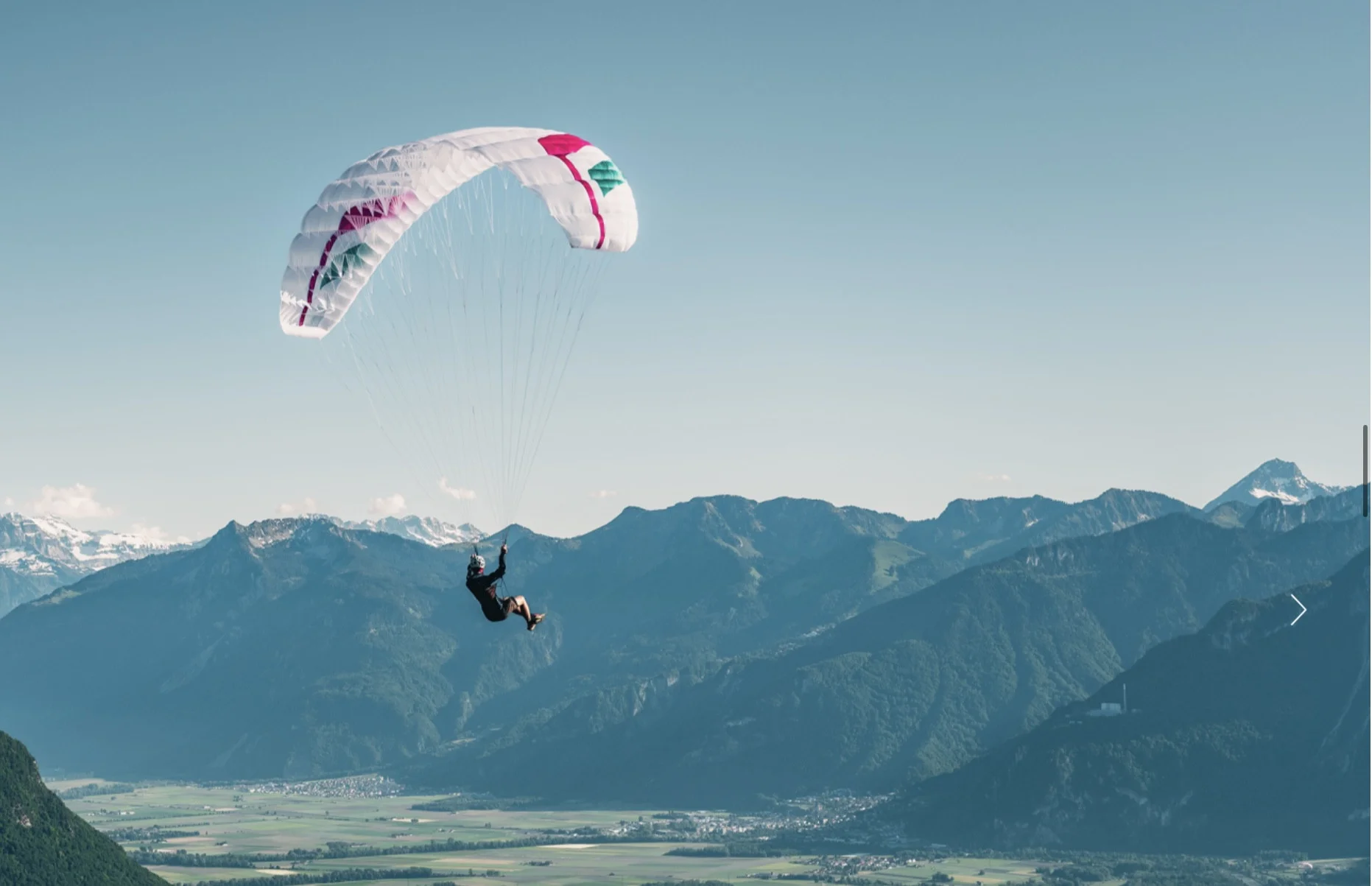
The construction justifies its specifications through a filigree architecture. Inherited from competition programs, the internal structure uses high-resilience Nitinol rods distributed across the wingspan. These nickel-titanium alloy elements shift mass from the leading edge to the upper surface, reduce packed volume, and maintain profile integrity even under high load. The canopy combines Skytex 32/27 and DOKDO 10DSF fabrics across sizes, while Edelrid Pro Dry lines provide water resistance and tangle-free stability. You are buying aerodynamic precision, not just reduced weight.
Takeoff and flight vigilance
- Do not pick your size solely to save grams in the pack. A 90 kg configuration will not react the same as a lighter setup under identical wind conditions.
- The wing remains versatile, but it requires you to define your optimal wing loading precisely before packing.
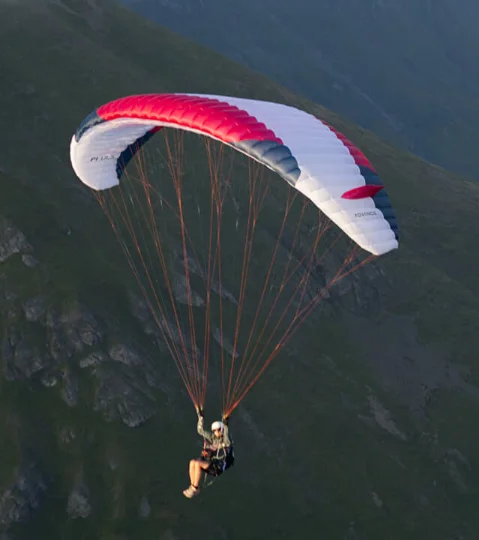
The weight saving demands constant vigilance in dynamic piloting. Fly the wing actively, do not let the mechanics dictate your inputs.
Fly safe,
Cyrille MARCK and the Rid'Air/CEM team